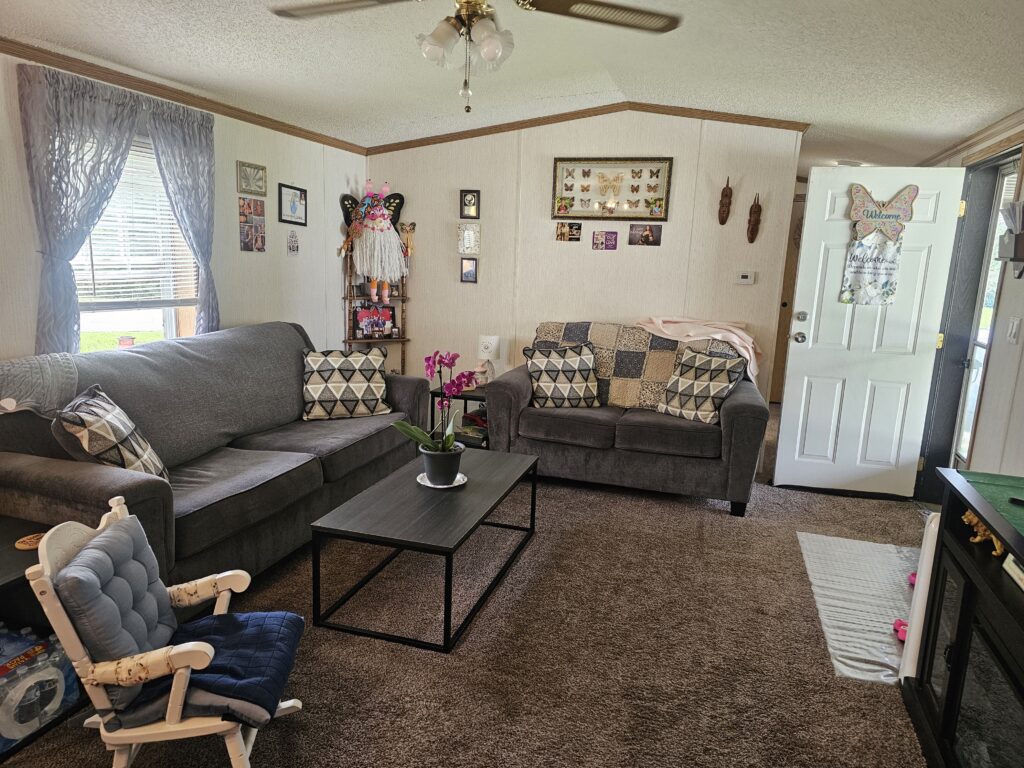
Bodanna Tate is happy to give tours of her well-maintained and tidy mobile home at Southwind Mobile Home Estates—a place she’s proud to show off.
“My home is not junk,” she said, responding to online comments about Kewanee’s mobile home parks.

Tate, who asked to use her social media username for anonymity, has lived in Southwind since 2010, moving to her current home on Cole Street in 2021. Her former trailer, now occupied by her son, is located nearby. Her two-bedroom home includes two full bathrooms, a walk-in closet, a washer and dryer and a nearly new furnace installed in 2022. Outside, she has a matching shed and garage.
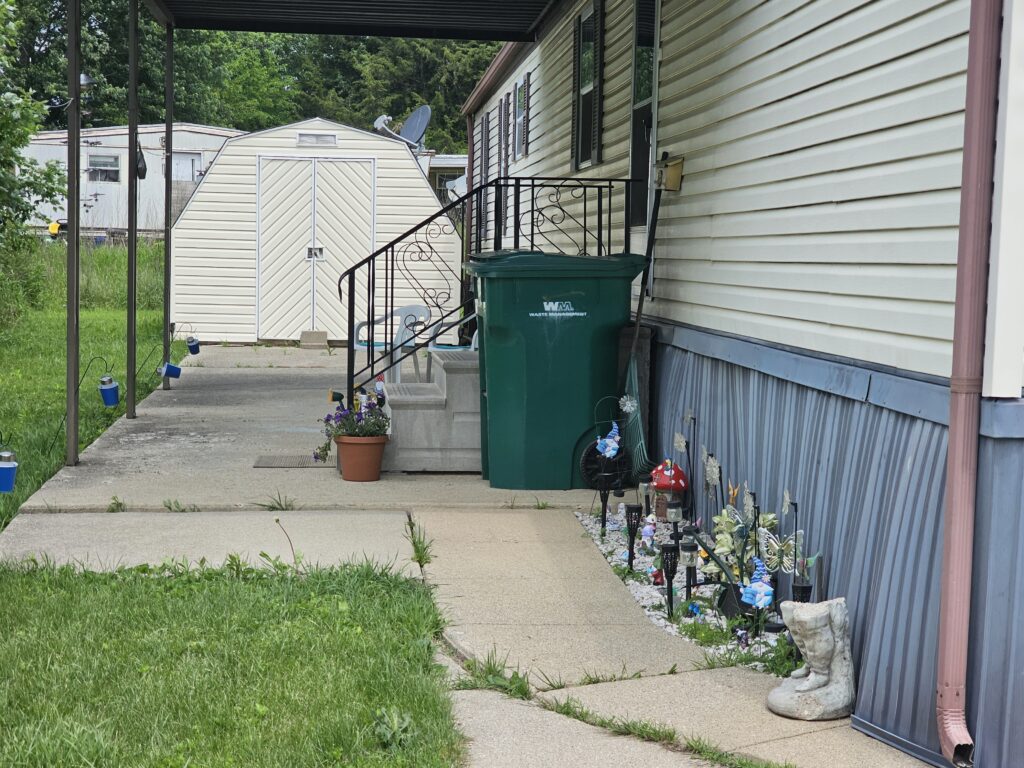
Despite the comfort of her home, Tate has struggled with months of uncertainty, worrying to the point of physical illness over whether she can keep it.
“I bought this trailer with money my sister gave me after my brother died. It’s not just a matter of replacing my home,” she said.
Concerns about Kewanee’s trailer parks escalated last fall when residents complained online about uncut grass, weeds, and uncollected garbage. City officials identified two major issues: unpaid water bills and poor property maintenance. After learning that the owners had turned the parks over to the bank, the city worked with two receivers to address the outstanding water bill, which totaled over half a million dollars.
When payments failed to materialize, officials announced water shut-offs scheduled for Tuesday, June 3.
This week, Tate was among the few residents whose water remained on. A lawsuit filed by her attorneys against the city prevented the shut-off.
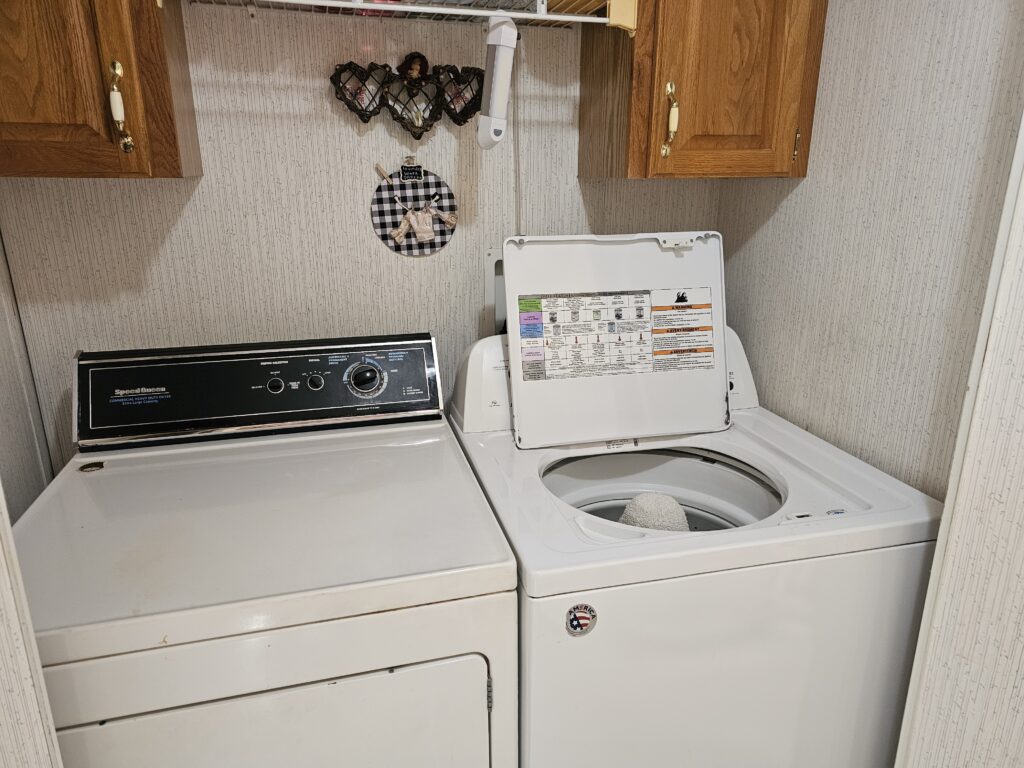
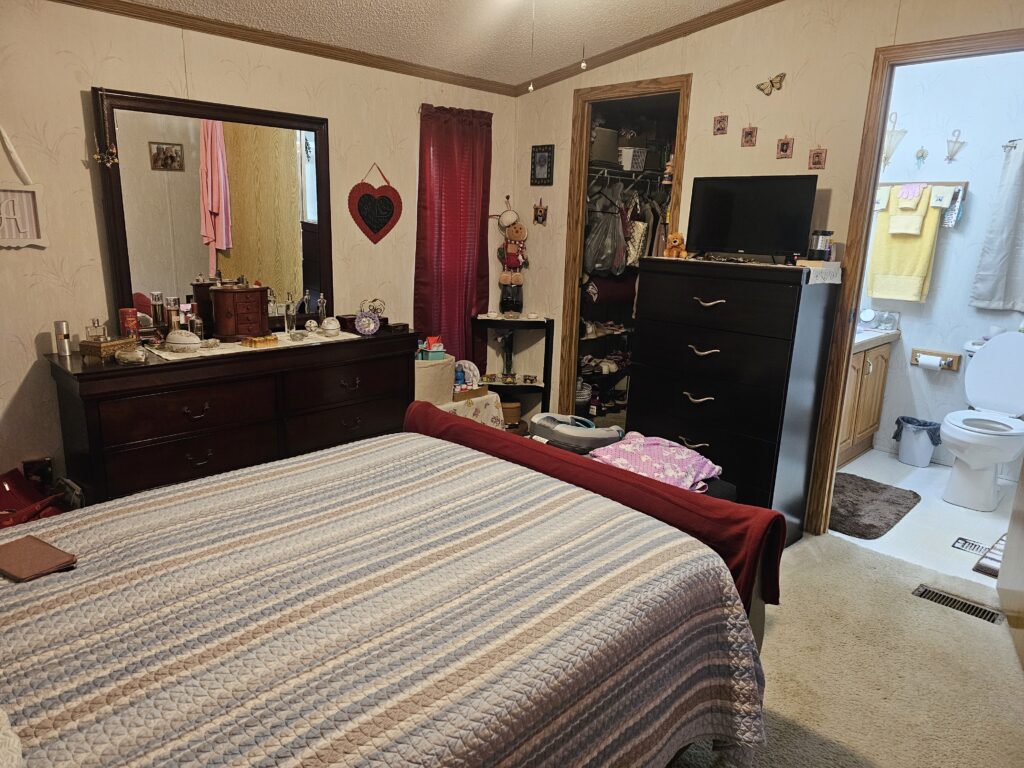
In March, Tate sought help from Prairie State Legal Services, and attorneys agreed to take her case. On June 2, the court granted her emergency motion for a temporary restraining order, preventing the city from shutting off water to her mobile home. The order also affected a few neighbors around her, she said. A hearing on a preliminary injunction is scheduled for next week.
She has also reached out to U.S. Representative Eric Sorenson’s office, where a staff member said they would look into the matter.
Tate said she has felt alone in her fight against the city but believes more residents are now joining the effort.
“I am living in limbo,” she said. “I would like to keep my home.”
She fears that cutting off water is just the first step toward condemning the parks. If that happens, she has no clear plan on where she will go.
“They want us to move into public housing, but the waiting list is two years,” she said. “I own this trailer. Why do I have to go backwards?”
Moving her mobile home would be costly and could result in losing her shed and garage. The possibility of damage during the move also concerns her.
“If they move it and cause damage, are they going to be liable?” Tate said.

She has alternative ideas that would allow her to stay in her home, such as the city permitting her to mortgage her lot. She also suggested adding a meter to her home so she could pay the water bill directly to the city rather than to the trailer park receiver, as she currently does. Mobile homes in the park once had individual meters, she said.
Ultimately, Tate said, she has nowhere else to go and wants to challenge negative stereotypes about trailer park residents. She is frustrated by social media posts that depict only the worst aspects of the parks.
“We are human beings, and some of us are law-abiding citizens. We pay our bills and own our own properties,” she said, adding that the lack of compassion weighs heavily on her.
She also wishes to stress that she and many residents have been paying their water bills to the receiver faithfully every month.
The stress has taken a toll on her mental and physical health, she said, but she hopes people recognize her efforts to maintain her home and lot.
“There are some of us that take care of our property,” she said.