***Originally published in The Kewanee Voice Summer Adventure Guide 2025
Wildlife watching is a favorite pastime of mine all year long, and every season has its highlights. Summer brings the flourishing of life. Those creatures who hibernate are out, taking advantage of the warm temperatures to feast and explore. Migratory birds are back, singing and nesting. Baby animals of all kinds are taking their first, cautious steps into a big new world.
For area residents who love seeing these sights, I recommend Johnson-Sauk Trail State Recreation Area, located just north of Kewanee.
I visit regularly in summer, and while I’m never disappointed, I’m often surprised by what I see. Years ago, I heard a tour guide make the following observation about wildlife: “Anything is possible, nothing is guaranteed.” I keep that thought in mind whenever I go out into nature. If I hope to see a particular animal in a particular spot, it could happen—or maybe it won’t. Still, I’ve found that certain actions increase my likelihood of seeing any wildlife.
Go out early in the day—or late.
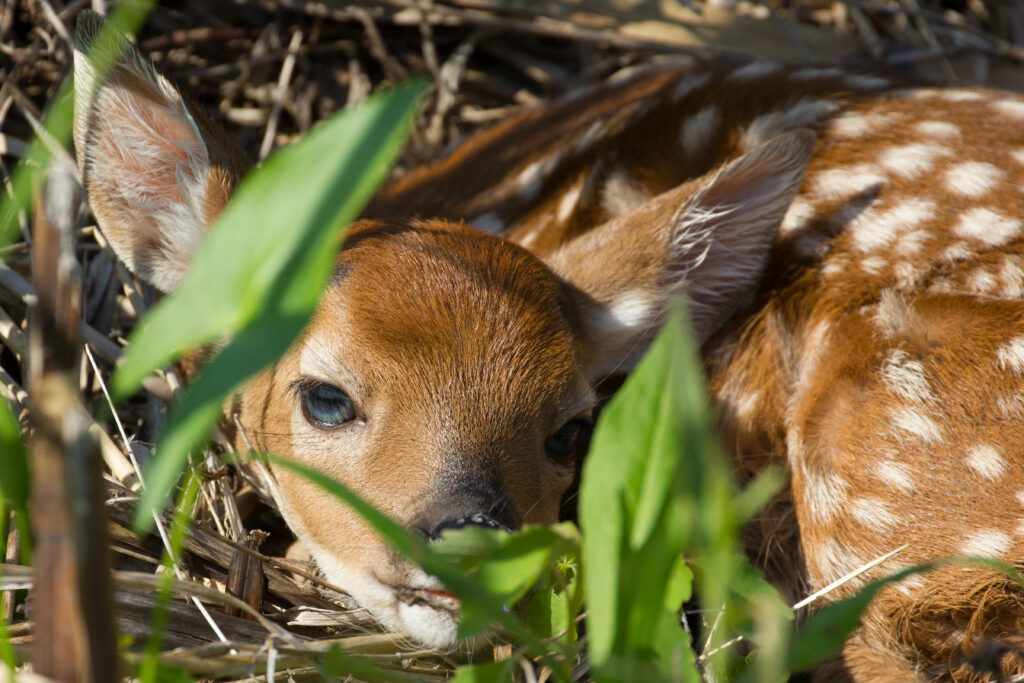
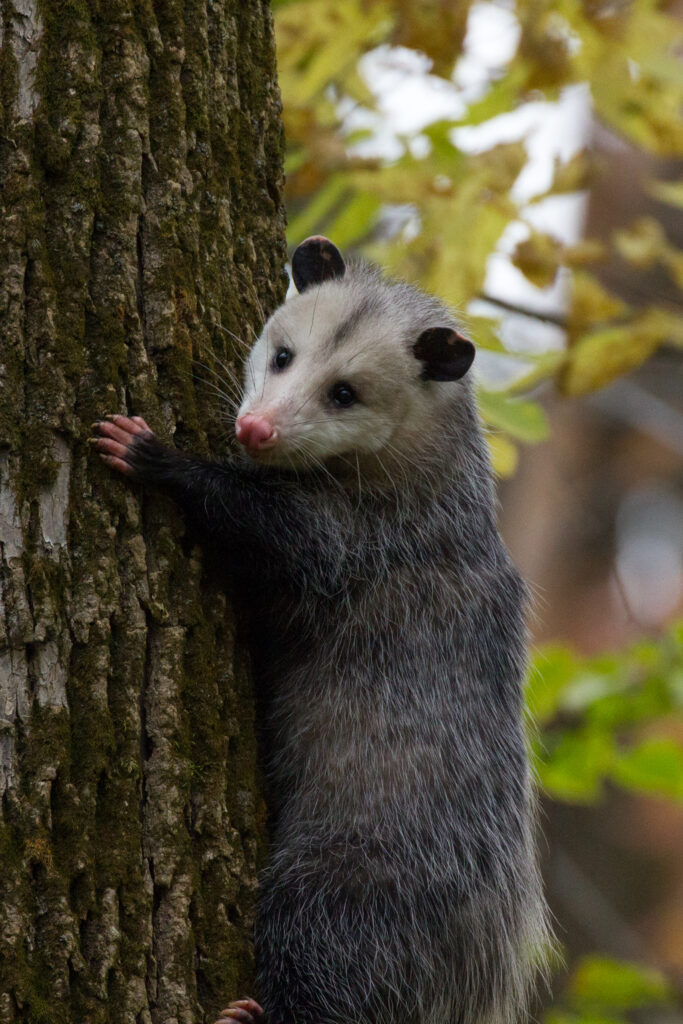
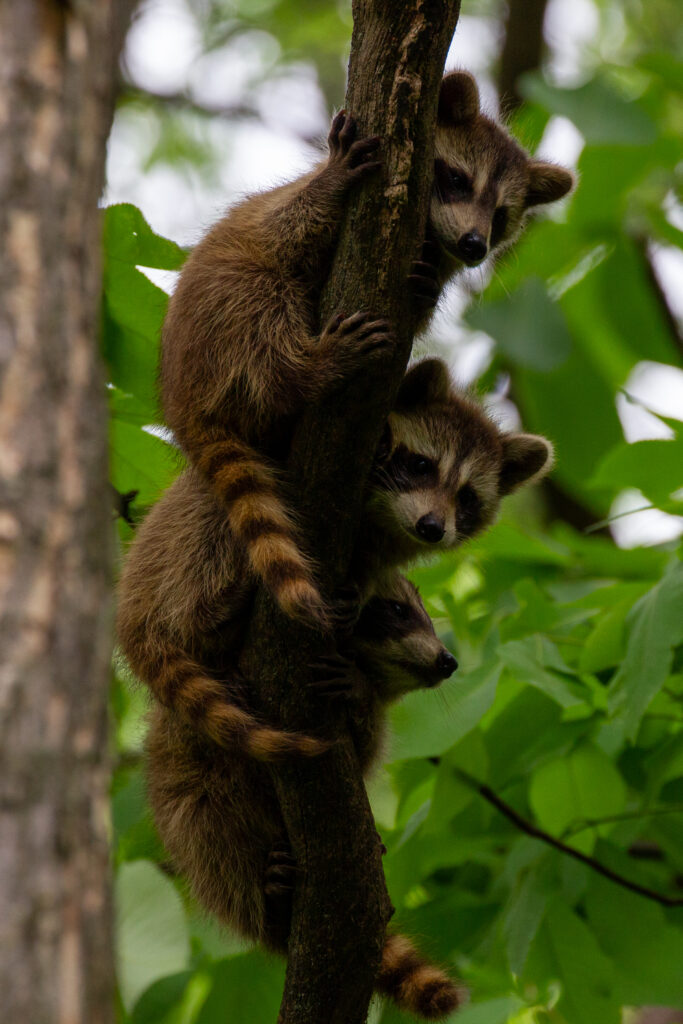
Many animals are active around dawn and dusk. These times are among the best to see wildlife, especially as summer temperatures rise and the afternoon heat becomes oppressive. On early morning walks, I often turn a corner to see a soft-eyed deer gazing back at me. I always freeze, so as not to scare her—and any speckled fawns who may be nearby. The longer I hold still, the longer I can watch these creatures before they vanish into the trees. Raccoons are another animal that I see most often before sunrise. On one memorable occasion, a trio of babies crossed the path in front of me and frolicked up a tree, their striped tails intertwining in a bundle of soft fur. Their utter vibrancy captured my heart! Other wildlife best seen in the twilight hours include Virginia opossums, many birds, and, of course, fireflies.
Be watchful.
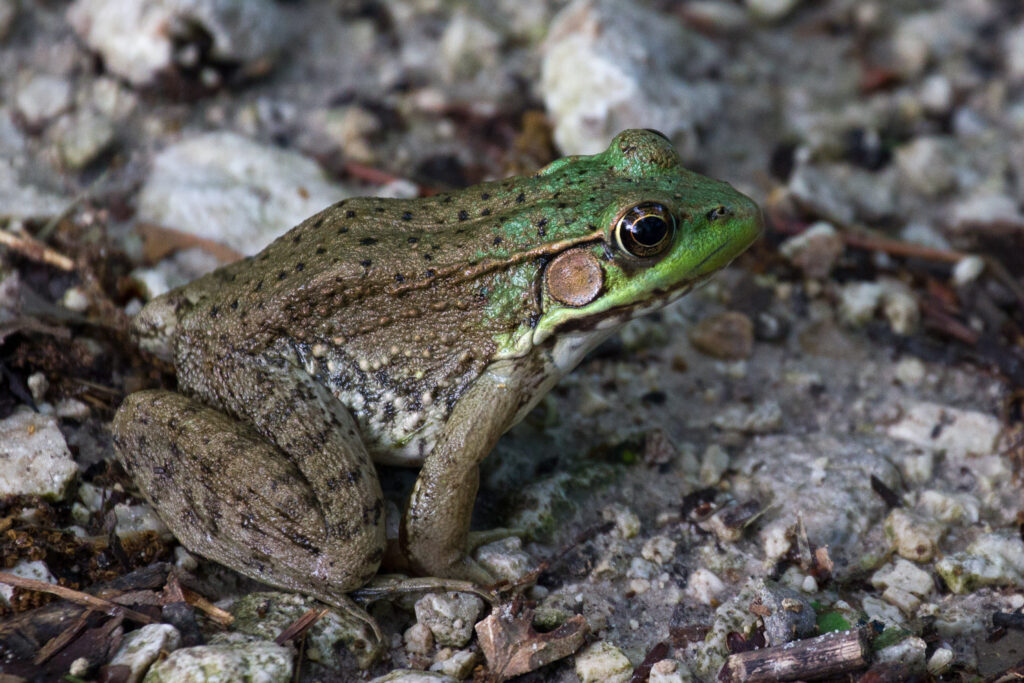
By staying watchful and open to whatever the woods offer, I have seen amazing sights at Johnson-Sauk Trail. Often, it’s a matter of noticing motion. At various times, a blur of movement in the corner of my eye has turned out to be a weasel crossing the road, a frog hopping past my foot, or a chipmunk diving for its burrow. It can also be helpful to notice things that don’t quite fit the pattern around them.
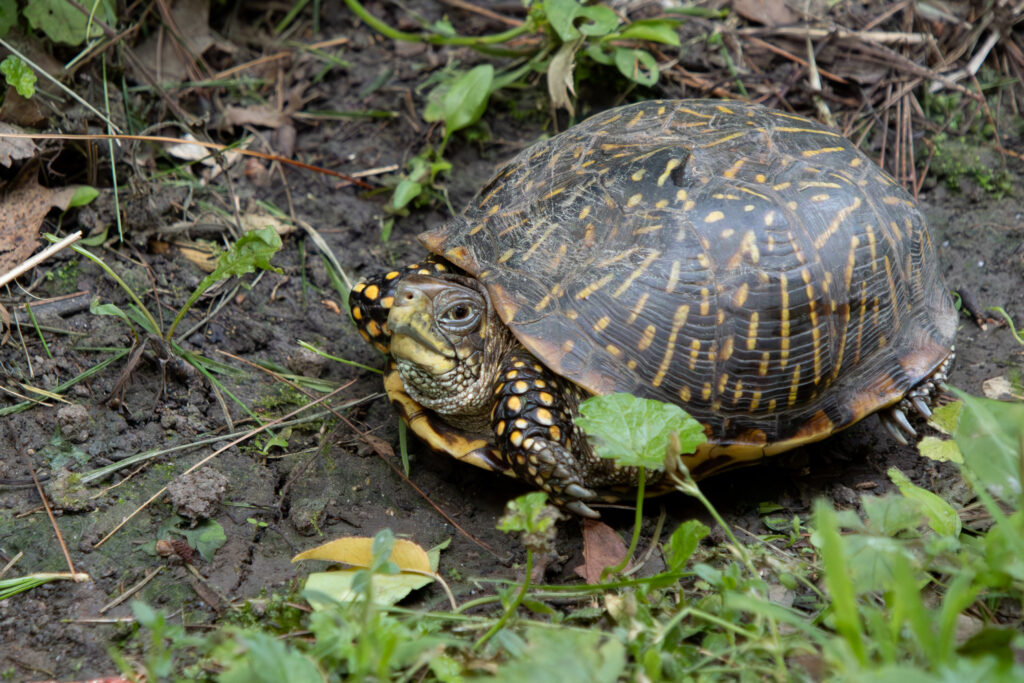
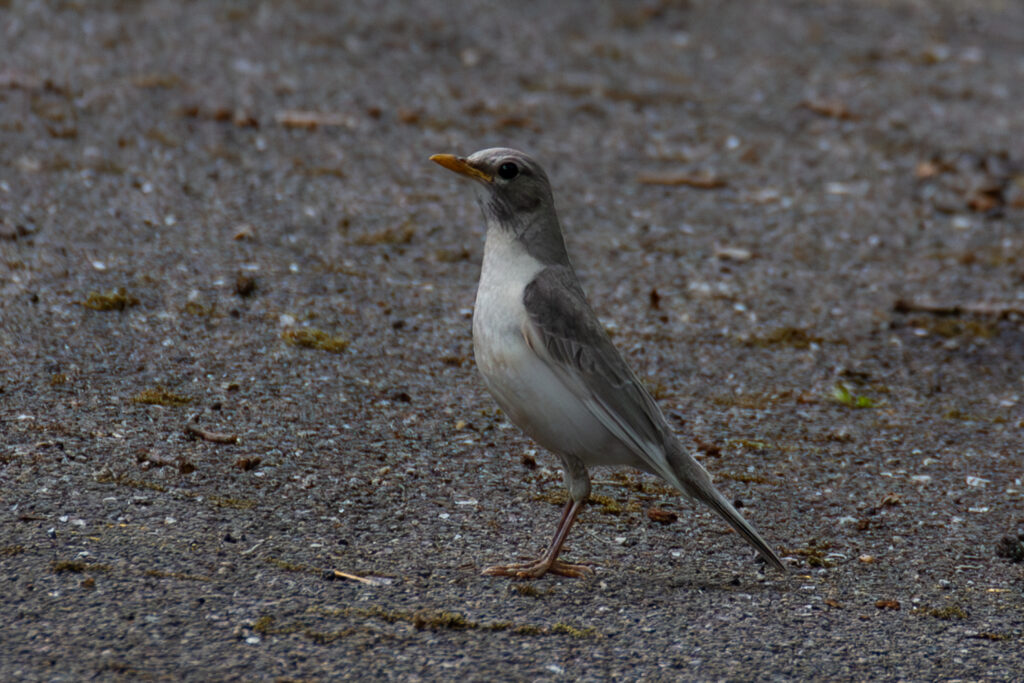
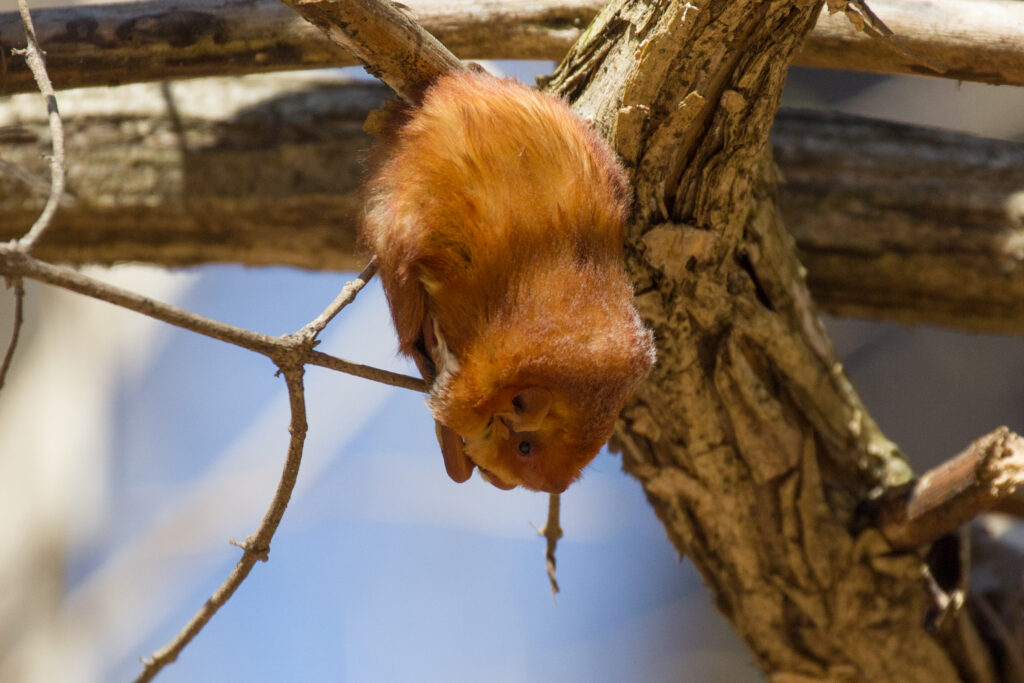
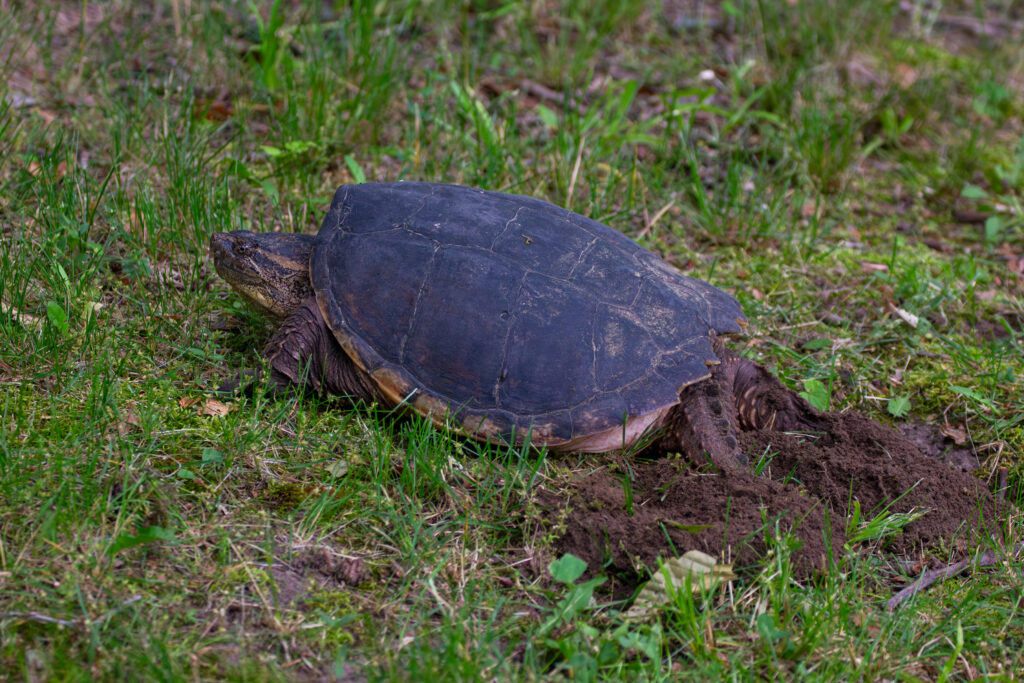
For example, what first looked to me like an oddly-colored patch of grass turned out to be a mother snapping turtle, digging a hole to lay her eggs. The strange, grayish-white bird I saw hopping through the grass like robin was in fact a robin—but it had a condition called leucism (where an animal loses some, but not all, of its pigmentation). My husband, Marc, once discovered a little bat when he took a closer look at what he first thought was a dried leaf.
Be quiet.
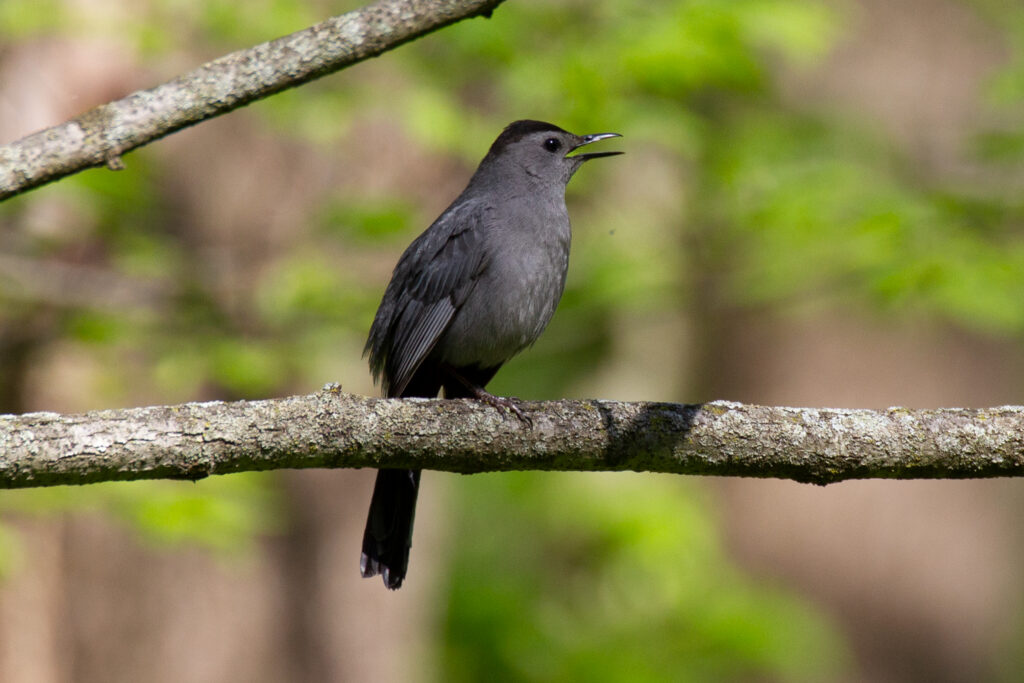
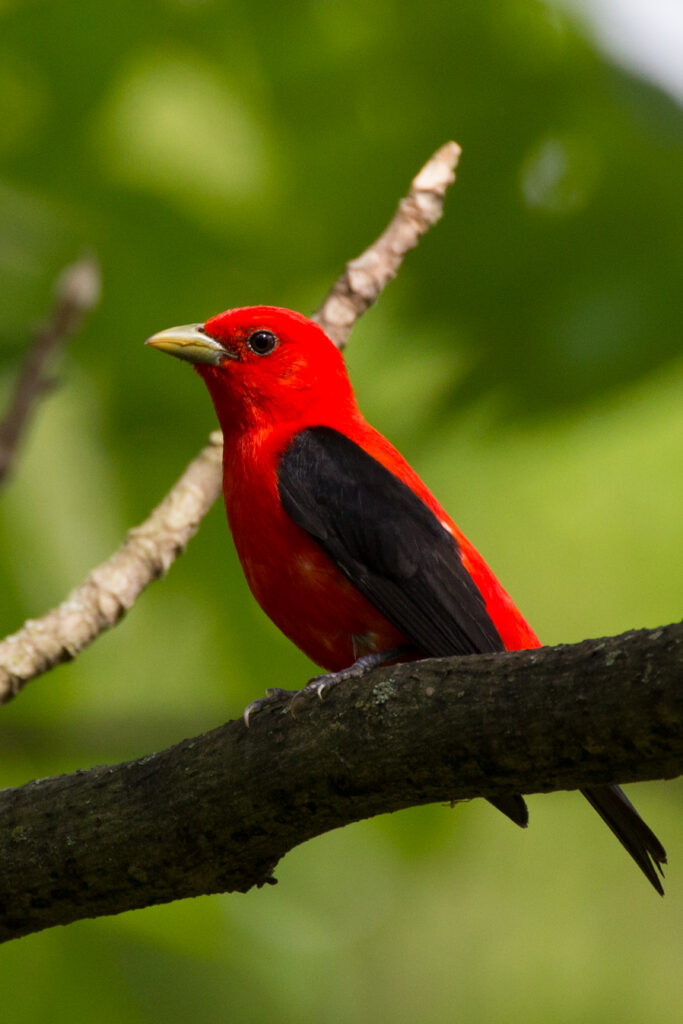
Loud noises scare animals, so quiet park visitors are more likely to see wildlife such as deer, possums, and raccoons. For birds, staying quiet is even more important. The easiest and best way to see birds is often to hear them first, then follow the sound back to its source. In this way, I’ve managed to spot shy birds like wood thrushes and scarlet tanagers, as well as those who sing out in the open, like gray catbirds. Even if you never manage to spot the little songsters, their music brings another lovely dimension to any wildlife walk. In the gray hours around dawn and dusk, you might also hear the stirring call of coyotes.
Go near the water.
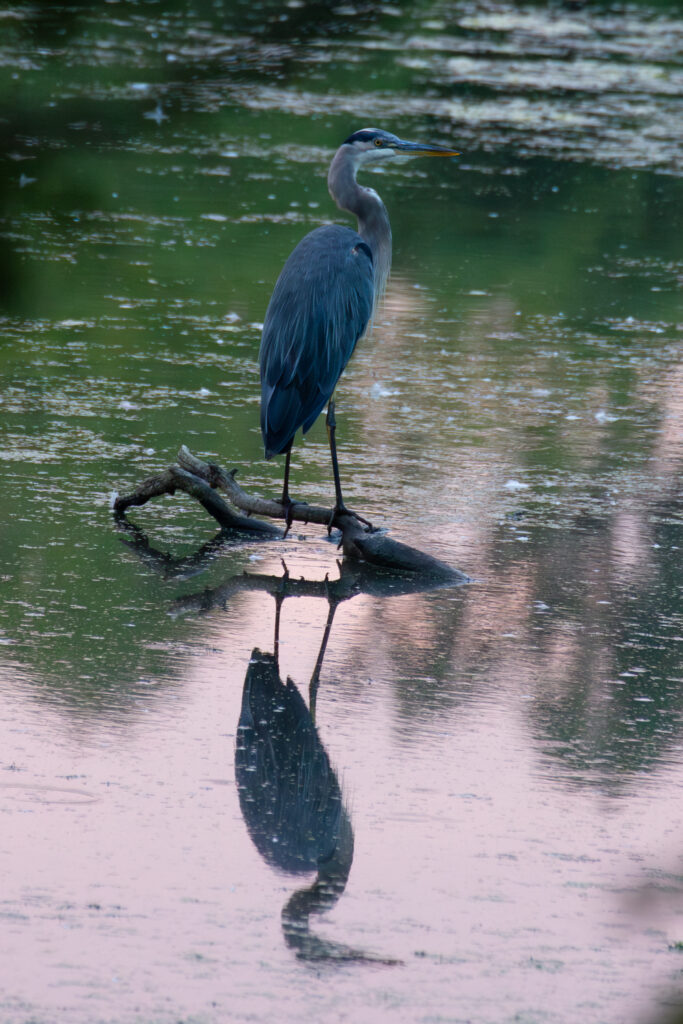
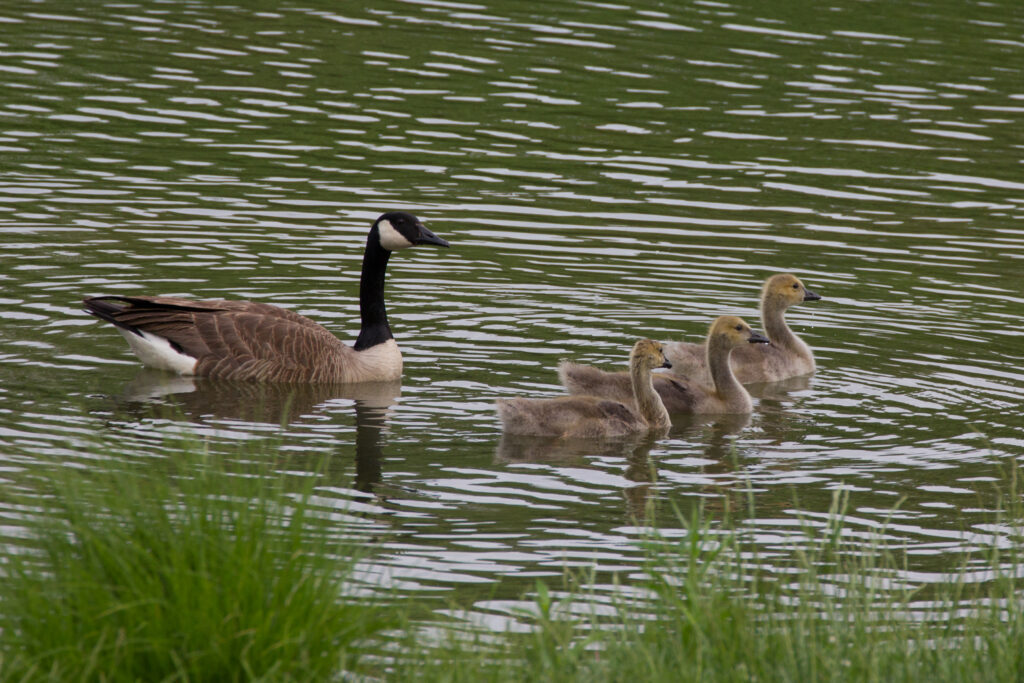
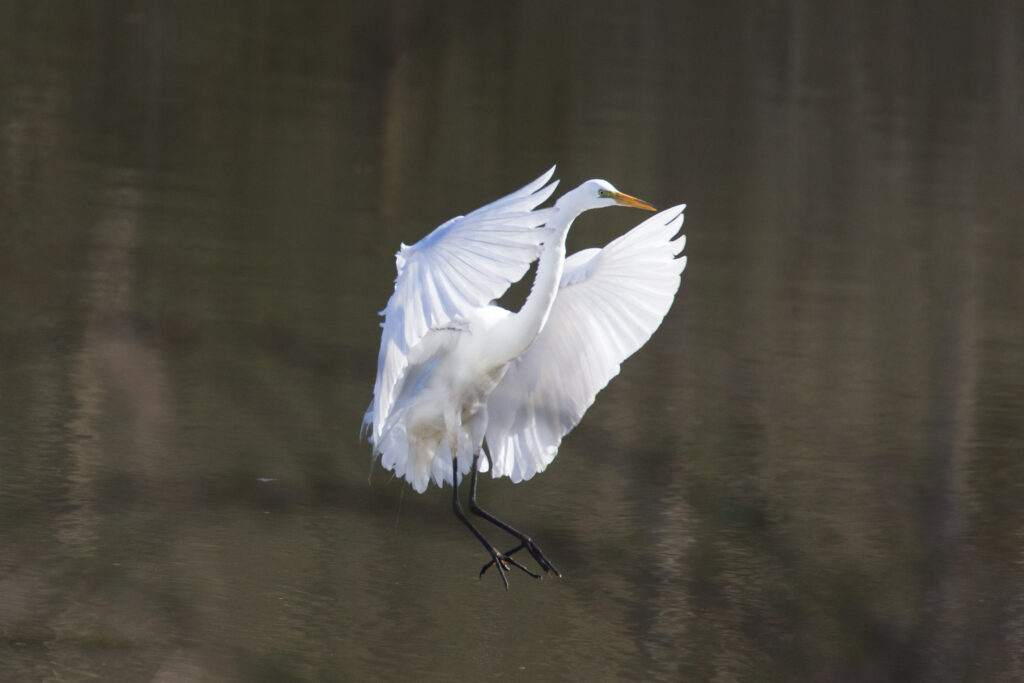
Just as people are attracted to water, so are animals. Naturally, water birds are best seen here. Stately great blue herons glide through the shallows, hunting for fish, frogs, and crayfish. Their cousins, the great egrets, make an elegant landing on the water. Every summer, I’ve watched in delight as fuzzy yellow goslings paddle in a line behind their parents. As the weeks pass, their plumage takes on the colors of a typical Canada goose, but they are smaller—avian adolescents. Along with birds, the lake’s edge can also be a wonderful place to spot turtles, deer, coyotes, and other four-legged creatures.
Be careful, and drive slowly.
With the road around the lake open to traffic, wildlife-watchers must be mindful at all hours. Listen and watch for cars. The road is one-way around most of the lake, but on occasion park visitors drive the wrong way, so it’s best to have an ear open in both directions. Also, if you are driving to your favorite picnic area or trailhead, please drive slowly and watch for wildlife crossing the road. They can pop out rather suddenly, and they can be hard to see as the road twists and turns through the woods. Over the years, I’ve seen the sad remains of far too many squirrels, chipmunks, rabbits, possums, snakes, and other animals.
Be respectful.
For the safety of wildlife and people alike, it’s also important to watch these animals from a respectful distance. Don’t try to touch them, feed them, or catch them. The park is their home. As visitors, our role is to show them respect and appreciate them—on their terms—for the beautiful, wild creatures they are.