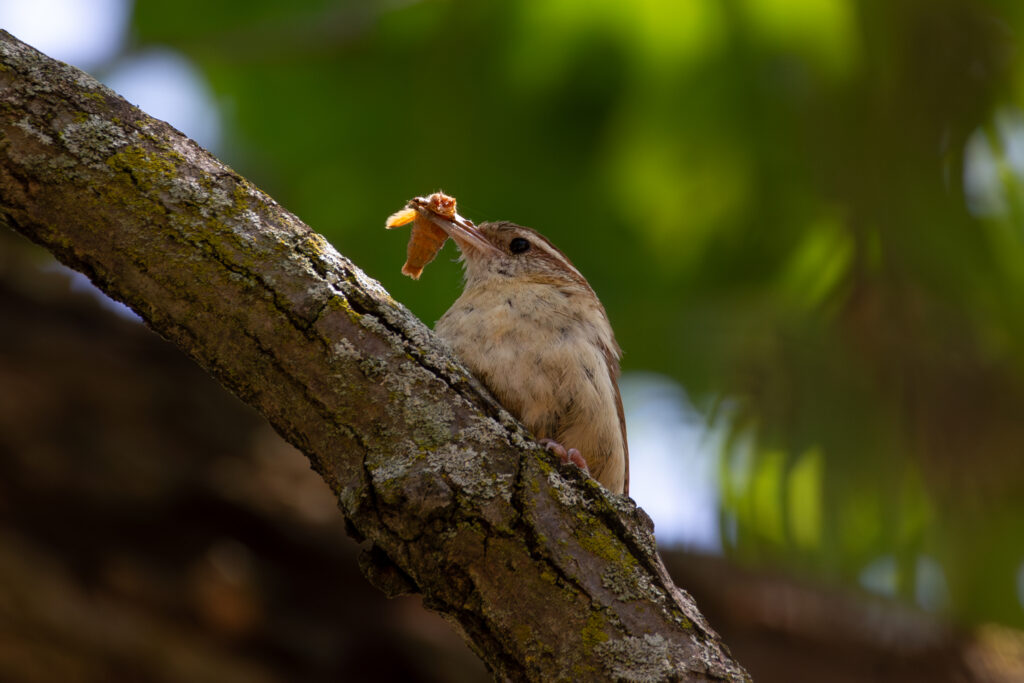
Springtime transforms the world in so many lovely ways, from the greening of trees to the blooming of flowers, to a sudden flood of bird activity. The birds who stay here year-round—chickadees, cardinals, finches, woodpeckers—seem to stir with new life. They dart busily around the landscape, filling the air with chatter and song.
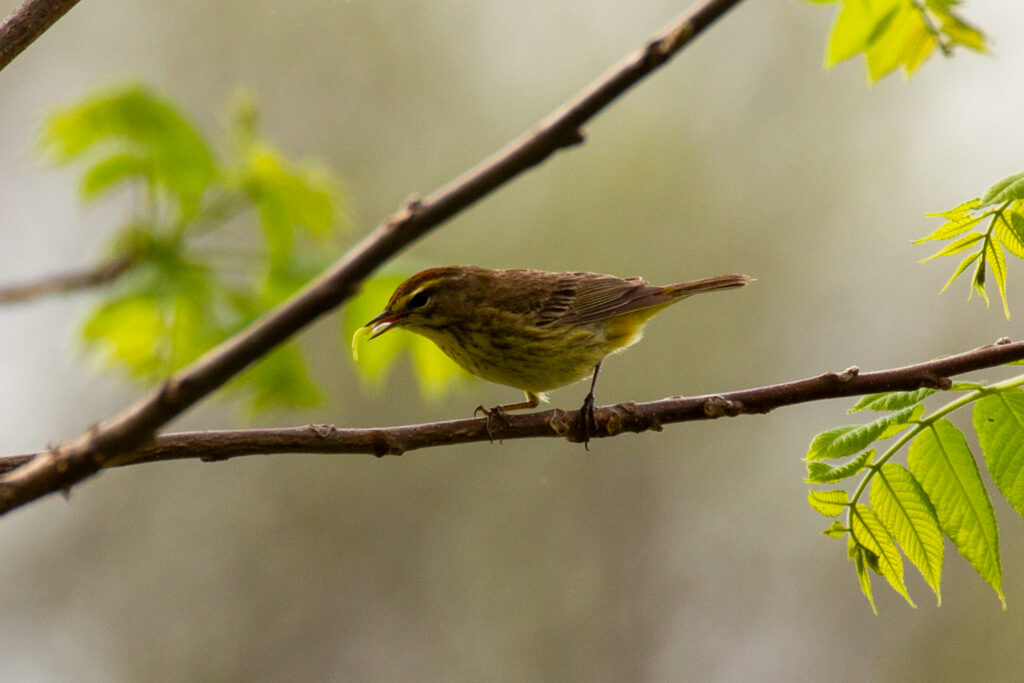
Mornings dawn with the lilt of a bright red male cardinal, perched high in a tree. Chickadees sing their two-note spring song.
As spring unfolds further, the year-round residents are joined by wave after wave of migratory birds. These birds spend the winter down south—anywhere from the southern United States to Central or South America, depending on the species—but venture northward to breed and raise their families.
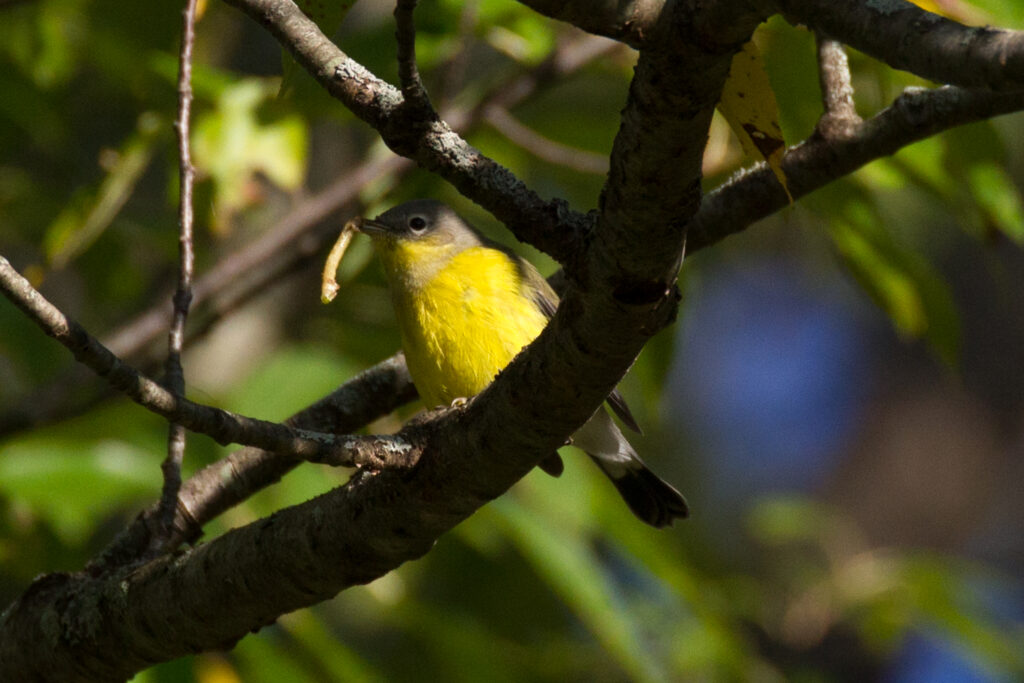
In our area, peak migration (the time period with the highest number of birds flying through) usually falls in the first week or so of May. The woods—and even backyard bird feeders! —blaze with the bright colors of orioles, wood warblers, tanagers, and grosbeaks. The timing of these birds’ arrival is no accident. By migrating north as temperatures warm, birds return to a wealth of food sources.
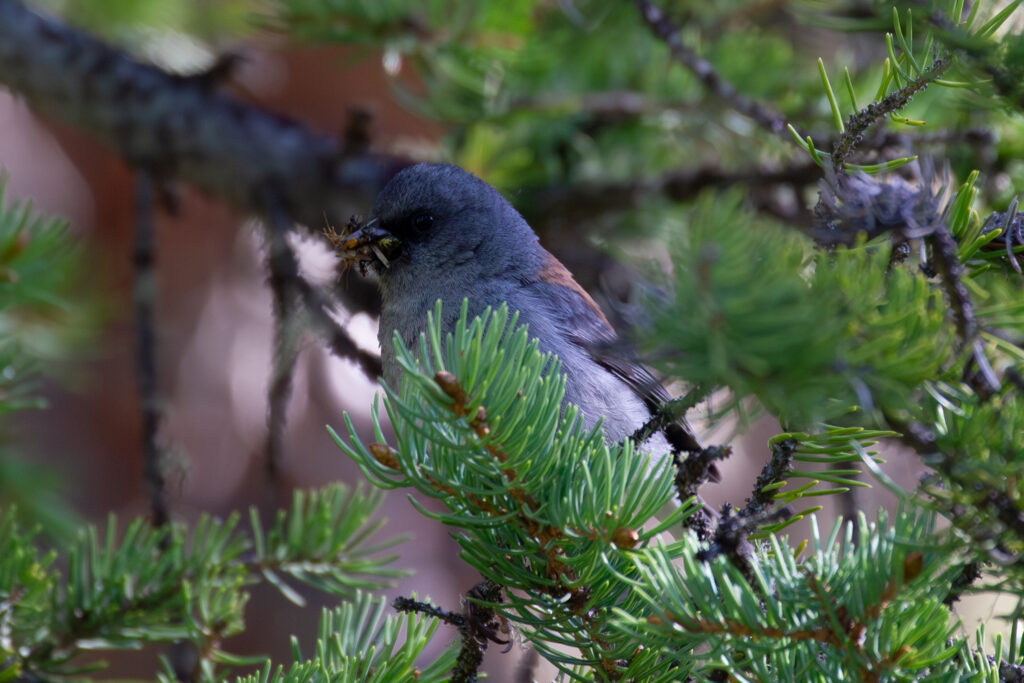
In particular, insects are emerging. This benefits year-round residents and migratory birds alike, since most terrestrial birds eat insects at some point in their lives. Certain species, such as flycatchers and swallows, feed on little else. Others mix insects into a diet of seeds, fruit, or nectar. To give two examples, last summer I watched a flock of cedar waxwings, who mostly eat fruit, swooping low over a lake to feast on flies or midges. That same year, I was amazed to see a hummingbird snag a mosquito from mid-air!
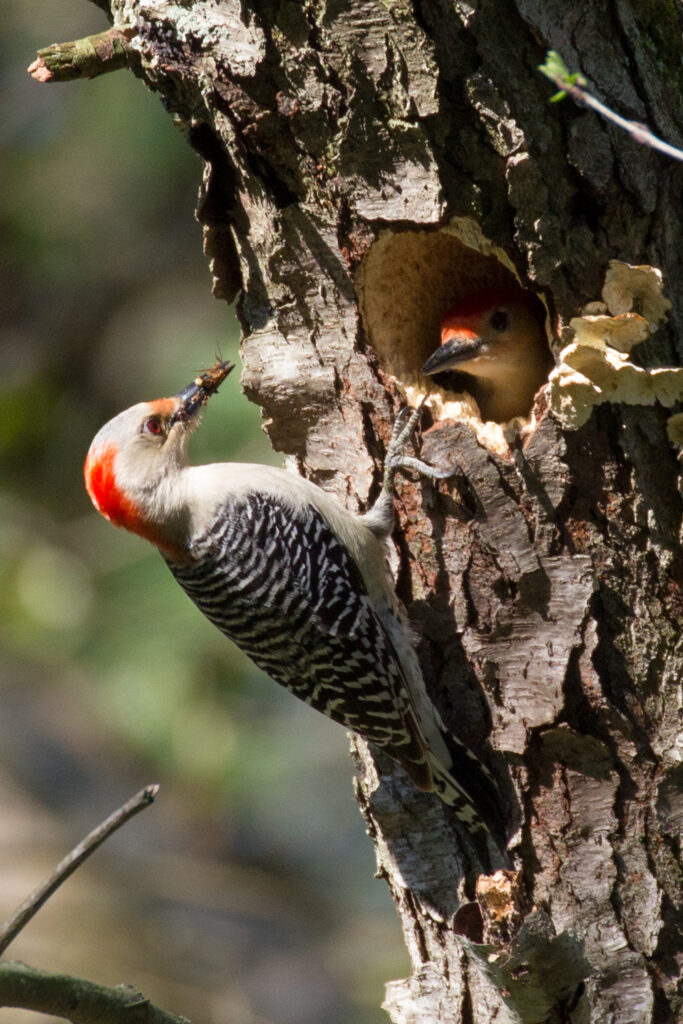
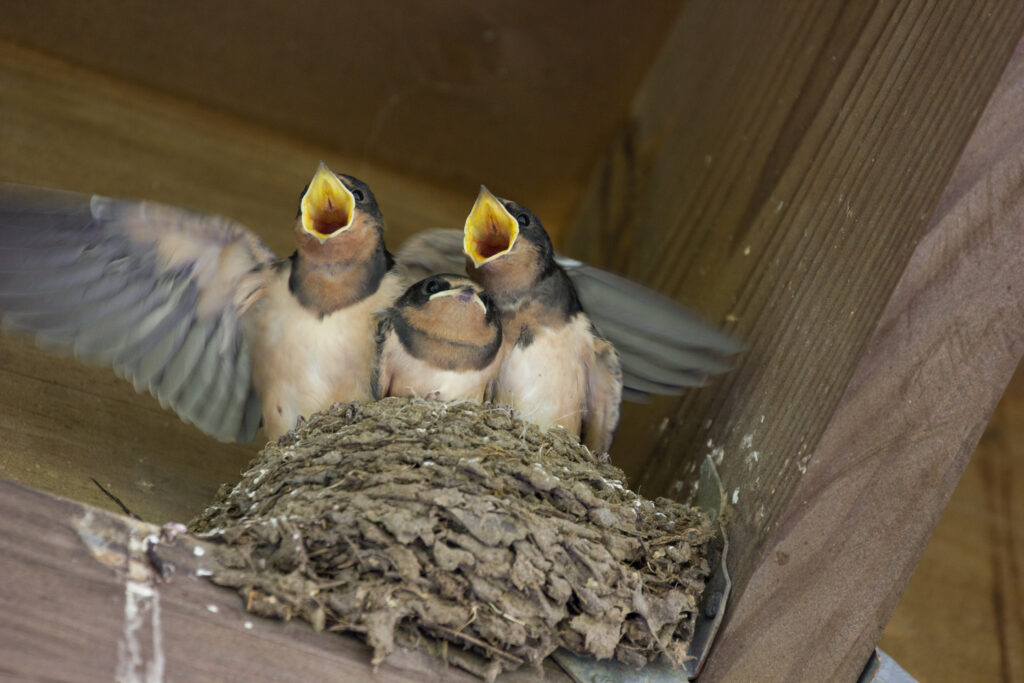
Birds’ dependence on insects deepens during nesting season. In order to grow strong and healthy, baby birds need the proteins, fats, and other nutrients provided by insects and spiders. Anyone who has ever watched a bird’s nest has seen the parents, their beaks full of scrumptious bugs, making countless trips to feed their ever-hungry babies. Over the course of a day, the parents must find hundreds or even thousands of caterpillars, grubs, and more to properly nourish their chicks.
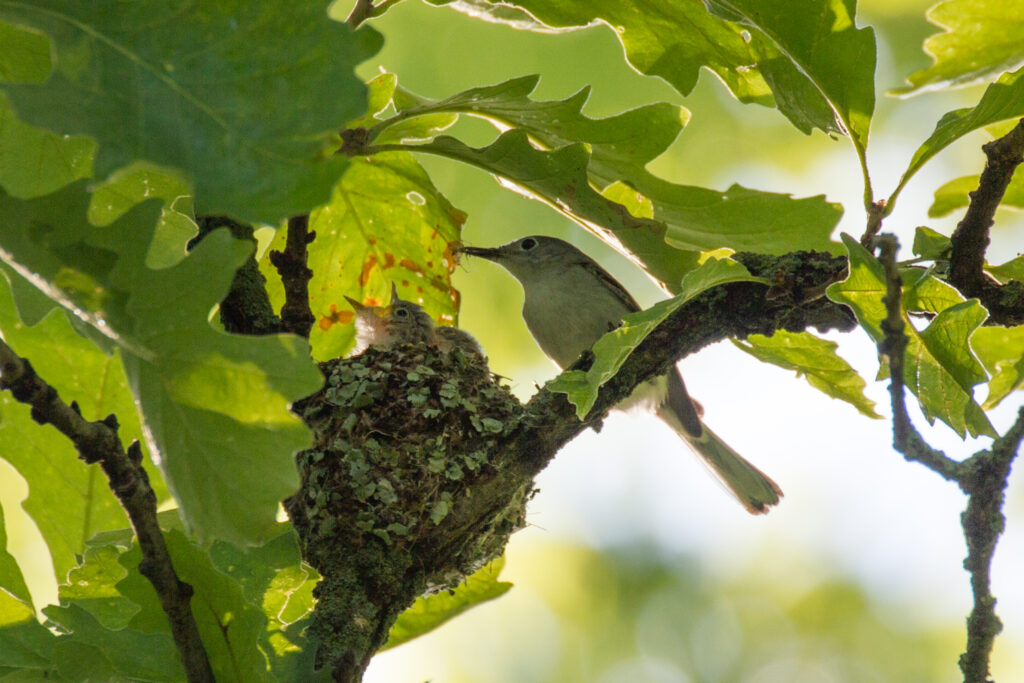
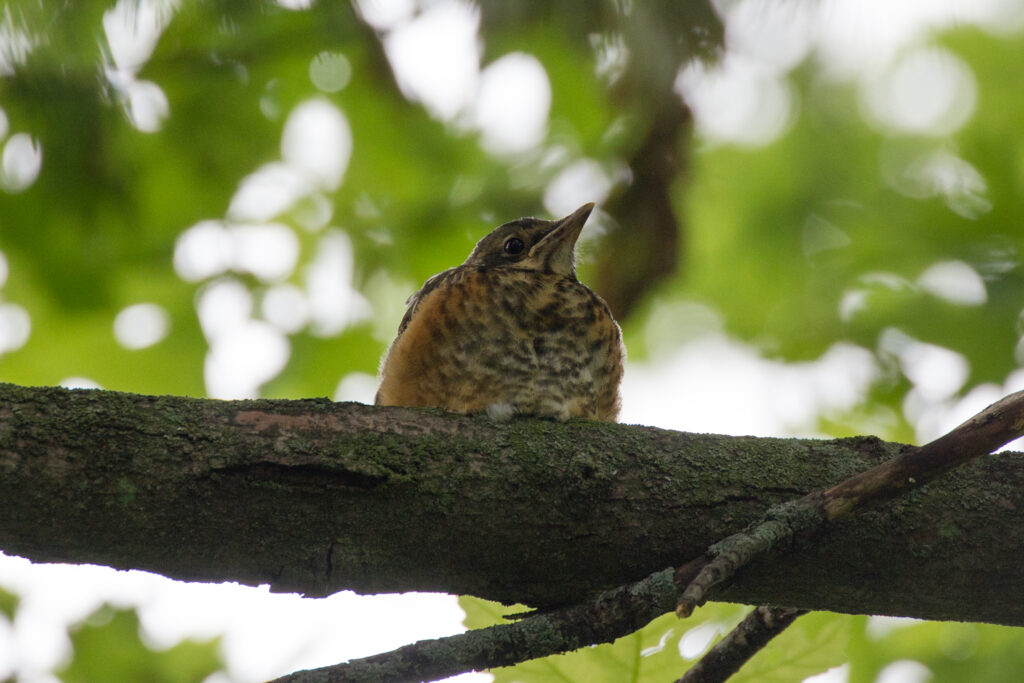
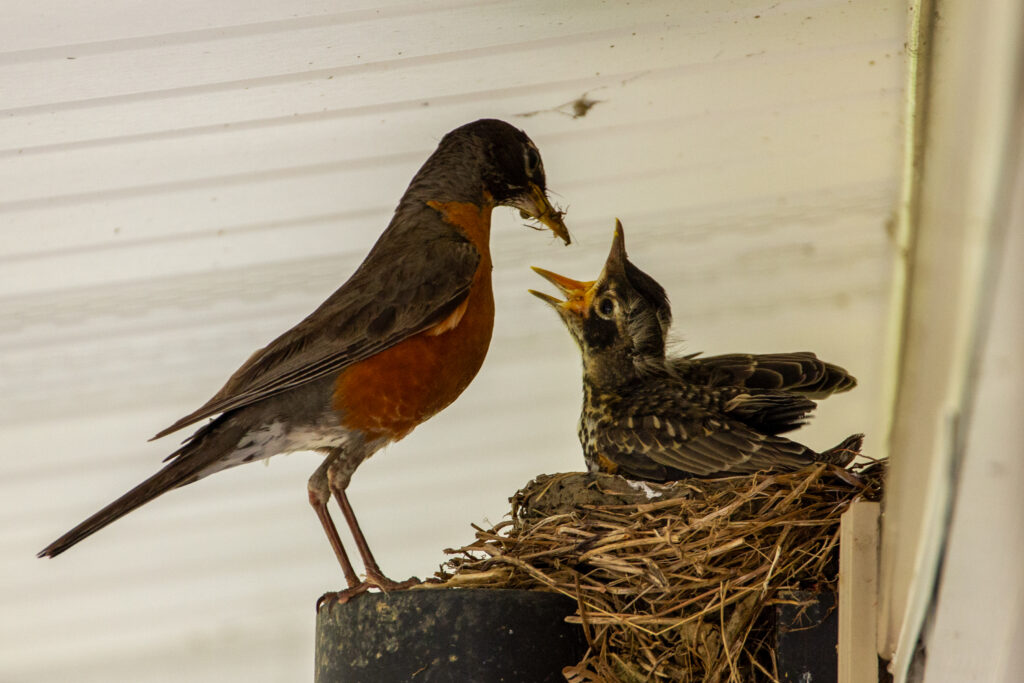
I am constantly awed, not only by the devotion of these parent birds, but also by the interweaving of life. In the natural systems of our planet, these fragile, tenacious little creatures have everything they need to survive. But the beauty of this balance hides a danger. If insects disappeared from the landscape, what would happen to the birds?
Sadly, this question is not as rhetorical as it might seem. Both birds and insects are in serious trouble, with steep declines to their overall abundance and the loss of individual species. We have changed their world in ways they struggle to adapt to. As wetlands, woodlands, and grasslands are developed for real estate and agriculture, birds and insects lose the habitat they need to survive.
Migratory birds face a triple threat of habitat loss: breeding grounds up north, overwintering grounds further south, and stopover sites in between. Pesticide use has devastated insect populations, which means less food for birds. Birds are also harmed directly by some pesticides. Climate change, with its shifts in temperature and rainfall patterns, poses another serious threat to both birds and insects.
Lastly, artificial light at night disrupts many species, including insects and birds.
Fortunately, there are actions large and small that we can take to help birds, insects, or both. Anything that benefits insects also helps birds!
· Don’t use pesticides in your lawn or garden.
· Plant native trees and other plants, which attract the insects that nourish birds.
· Learn more about birds through organizations such as the American Bird Conservancy, Cornell Lab of Ornithology, and National Audubon Society. Donate to these organizations.
· Learn more about insects through organizations such as the Xerces Society for Invertebrate Conservation and the North American Butterfly Association. Donate to these organizations.
· Contact lawmakers at all levels of government (local, state, and national) to urge them to support laws that protect birds, insects, and their habitats. This is especially important in the current moment, as Congress debates next year’s budget.
· Turn off as many lights (especially outdoor lights) as possible at night. Migratory birds fly overnight, and artificial light confuses and disorients them. Reducing artificial light also helps insects.