I’ve written before about the Anderson Feed Steamer Co., the small business established near the end of the Civil War and which grew into the Walworth and Kewanee Boiler companies. Valerius D. Anderson had invented a steam cooker for warm and nutritious cattle food, and sales took off.
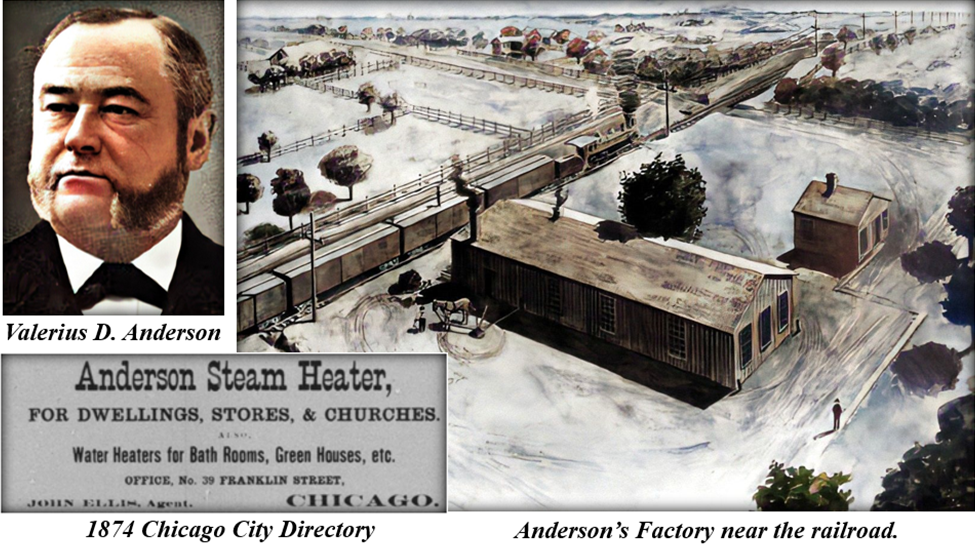
In 1868, Anderson moved his small plant from Janesville, Wisconsin, to Kewanee. He first set up shop about a block north of the intersection of today’s N. Burr E. Third Streets. He then relocated northward to be closer to the railroad. In 1871, Anderson built a foundry (40 by 60 feet with a two-story cupola house and “baking room,”) and a machine shop (30 by 80 feet, two stories high). Anderson also expanded into other types of steam heaters for multiple uses. The business grew into what the Kewanee Independent newspaper characterized as the largest factory in Henry County. (He also had a sales office on Franklin Street in Chicago which employed soon-to-be Kewanee magnate Emerit E. Baker in 1872 before Baker moved to Kewanee.)
Then, William E. Haxtun entered the picture in 1871.
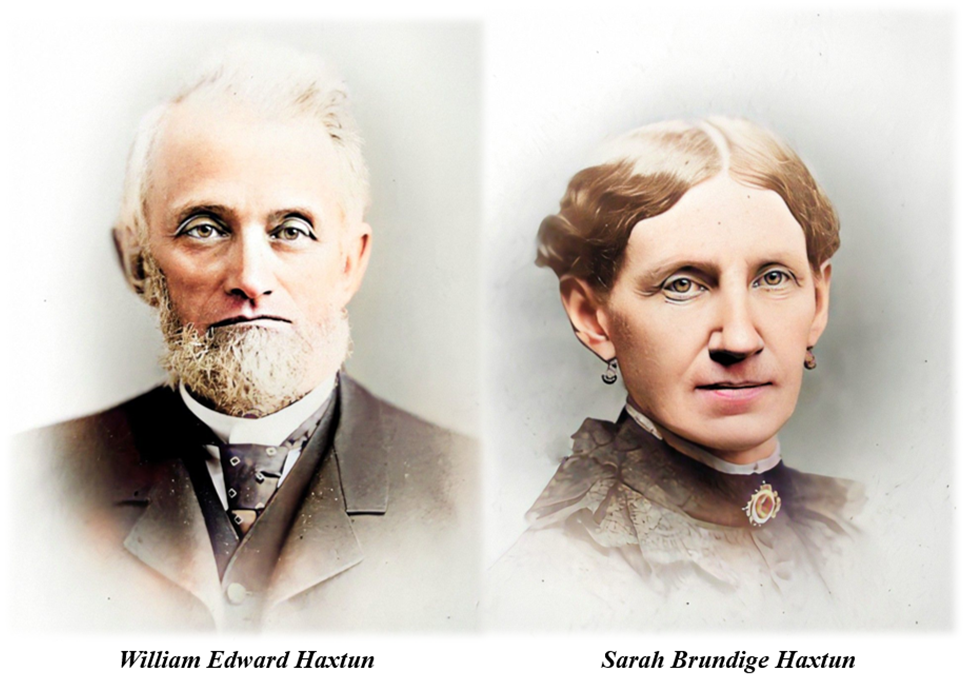
Born in 1832 in the Hudson River valley of New York, Haxtun grew up working and playing on the family’s land. As a 14-year-old, he discovered substantial iron deposits on the property. When he turned 18, his father rewarded his discovery by transferring that piece of land to him.
Haxtun learned civil engineering, but he also established a farm on his land, built a Greek Revival house (later listed on the New York Register of Historic Places and subject to an application on the National Register) and, in 1858, married Sarah Annis Brundige.
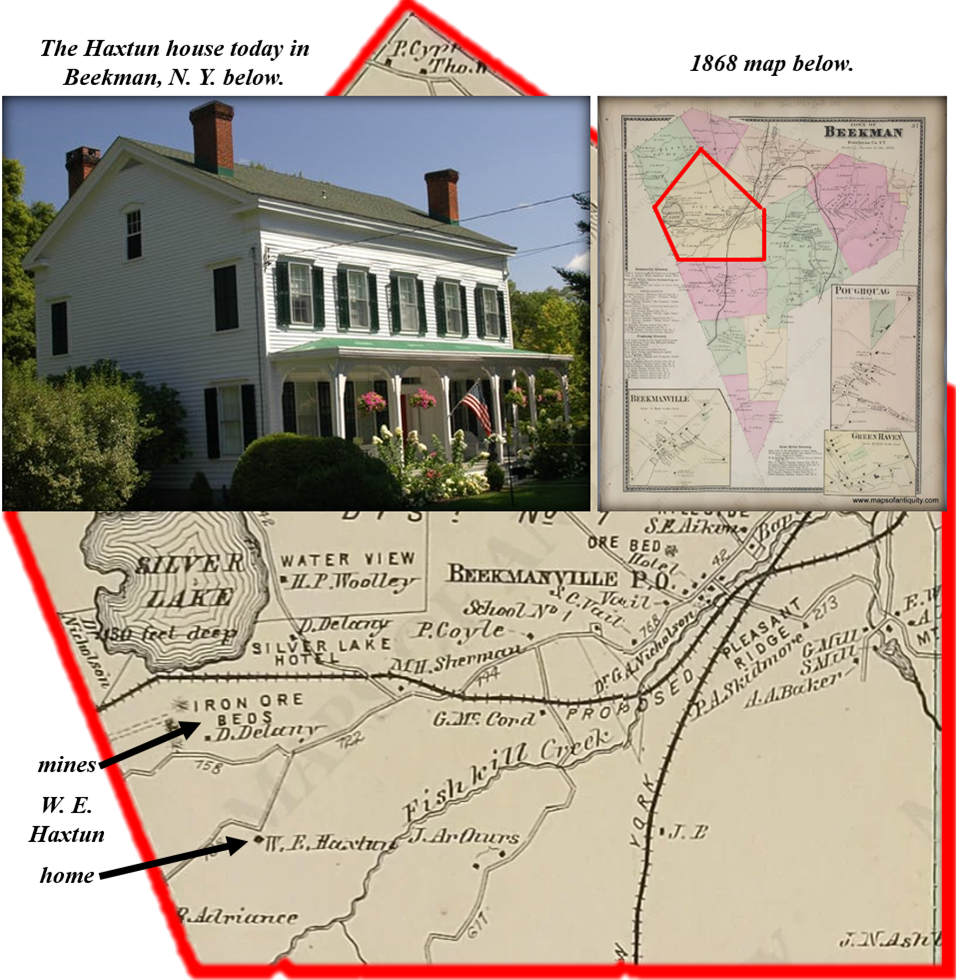
By 1860, Haxtun had developed his 200+ acre property into a substantial dairy farm. But Haxtun remained mindful of the iron deposits. In 1867, he sold the portion of his land containing the deposits while still maintaining a significant farmstead. And, he was looking westward due to his delicate health and a limp resulting from an accident.
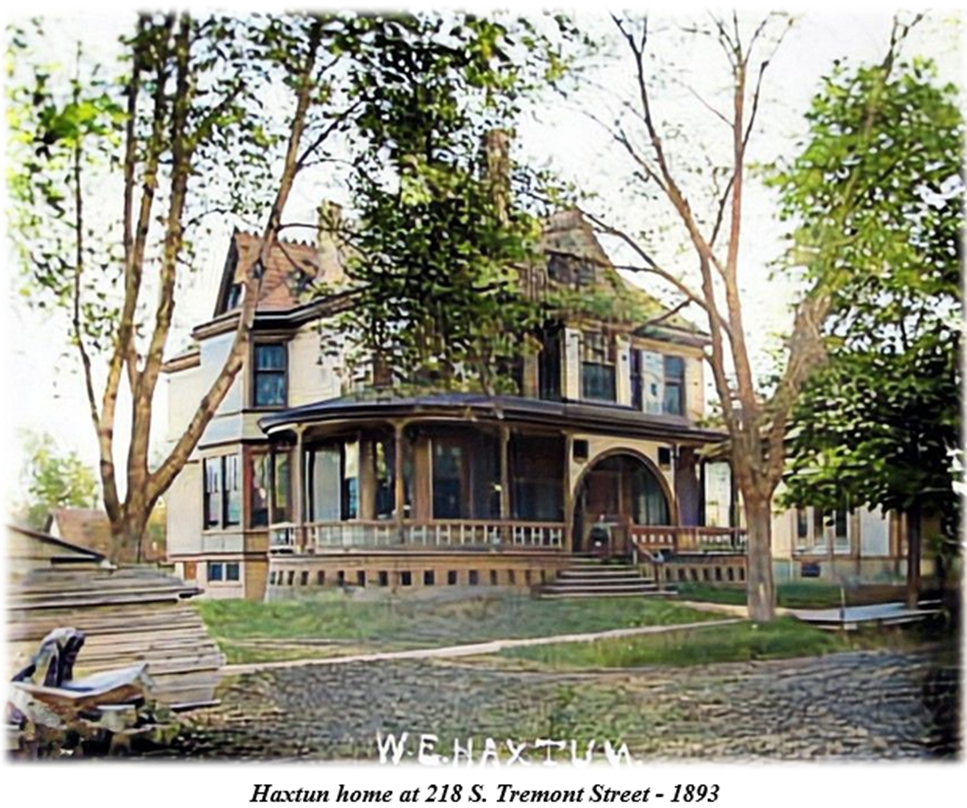
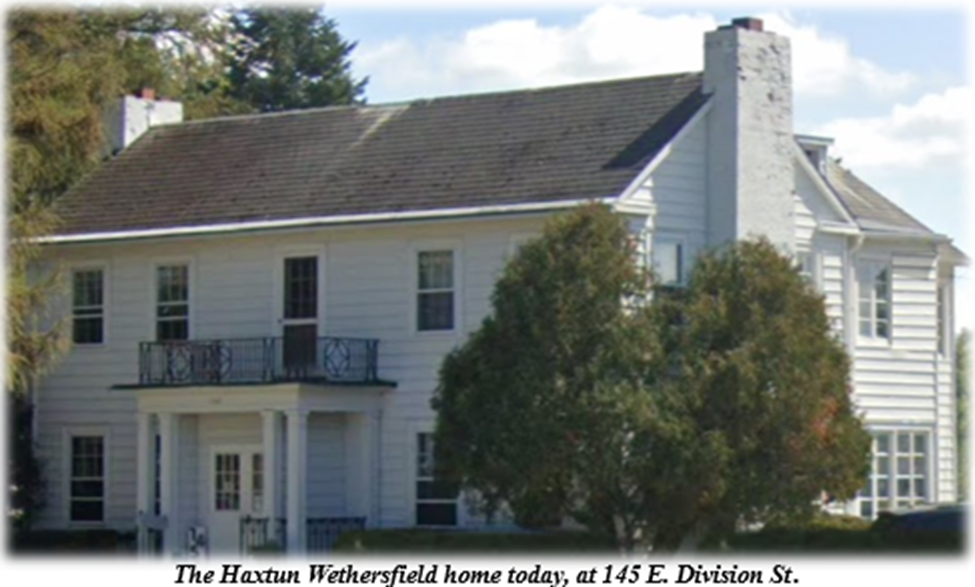
In 1868, he purchased the block in Wethersfield bounded by Tenney, Mill, Willard and North (now Division) Streets, as well as farming acreage. In 1871, Haxtun auctioned his New York farm and moved with his wife and four children out West to Wethersfield, where he initially traded in land and investments. They lived in Wethersfield in a new house they built on the lots they had previously purchased, on the south side of Division at the end of Main Street. Soon, another child was born in Kewanee.
But Haxtun then found a new interest.
Haxtun had an Anderson steam radiator system installed in his new home. Having a taste for machinery and mechanical work and an aptitude for labor-saving devices, he became impressed with Anderson’s technology. Haxtun soon joined the company and, in 1873, he became vice-president.
In 1875, after Anderson ran into corporate and management problems, Haxtun purchased the company, and it was renamed the Haxtun Steam Heater Co. (It had gone through a number of legal forms and name changes prior to that – Anderson Steamer and Heater Co., Anderson Universal Steam Boiler Mfg. Co., and the Anderson Universal Steamer Co.)
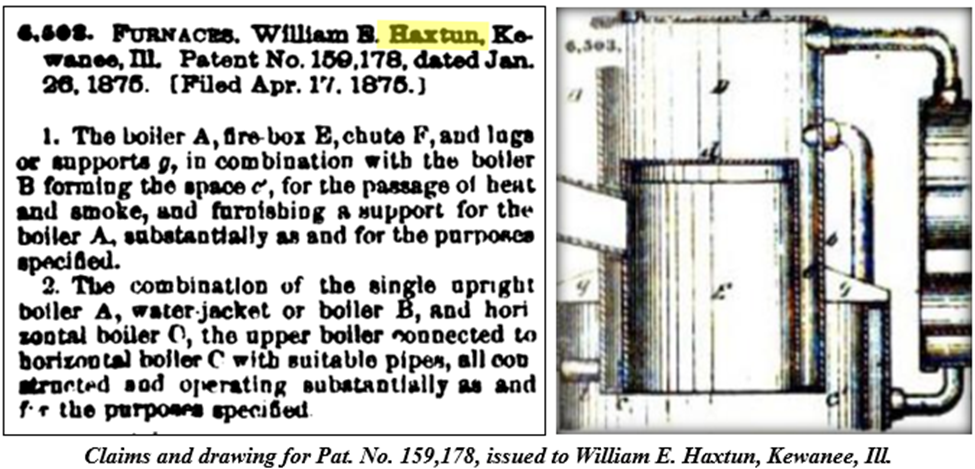
Shortly after his acquisition, Haxtun obtained a U.S. patent for a new type of boiler, and the company grew. He continued to file for patents over the years. In 1876, the city directory listed over 30 employees. The company’s growth and its future led the Chicago, Burlington & Quincy Railroad to grant Haxtun its first side track for its exclusive use.
By 1881, Haxtun had built a larger factory, expanded the foundry, and employed 200 men. The company soon began making valves, fittings, pipes and radiators, producing all the main components of its steam heating systems.
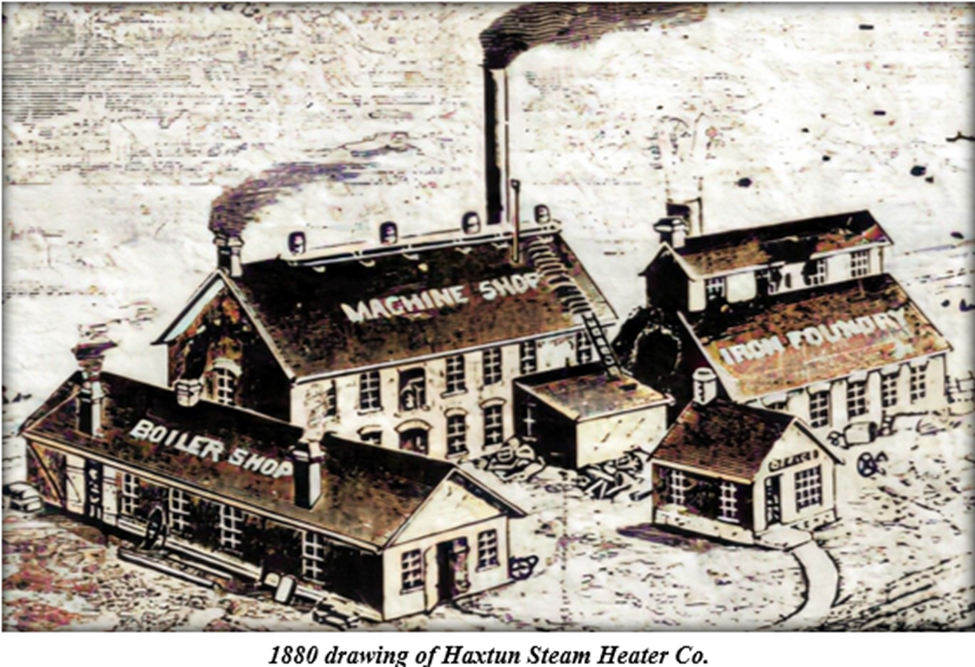
In 1883, the boiler shop covered about 27,000 square feet, or six times that of Anderson’s entire 1871 footprint. That year, Haxtun announced that work would begin on a major expansion with the building of a rolling mill and pipe mill plant. Village leaders formed the Citizens Rolling Mill Committee to raise funds to acquire and donate to the company for its mills the land between the railroad and Third Street.
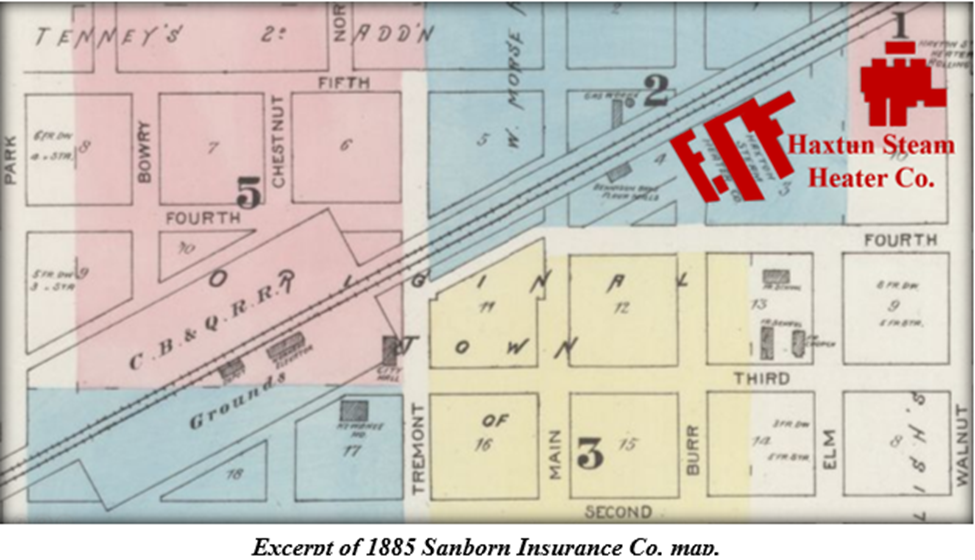
In 1888, however, a New Year’s Day fire destroyed the rolling and pipe mills, a severe blow to Kewanee, the company, and the 250 employees thrown out of work. The loss was an estimated $50,000 and insurance only covered $30,000. But the company quickly decided to rebuild the mills. Despite the setback, the company continued to flourish, and in 1890 employment reached 1,000 workers.
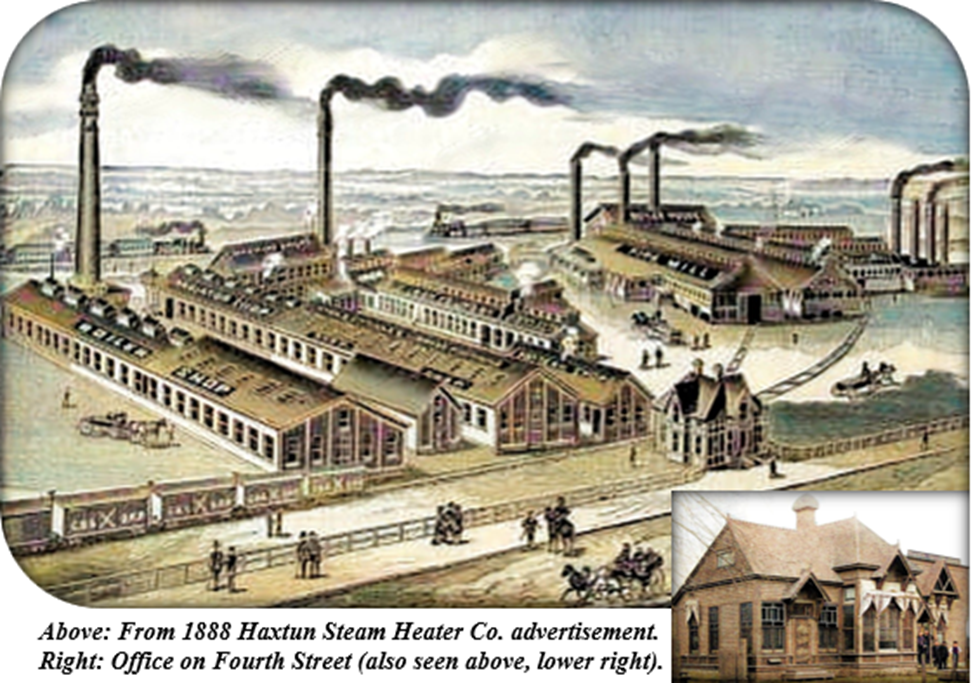
Finally, in 1890, with his health deteriorating, Haxtun sold his interest in the company for which he had served as president for 17 years. The National Tube Co. of McKeesport, Pennsylvania, acquired Haxtun’s interest, and its officers occupied three of the seven directorships on the board. On March 10, 1891, at the Haxtun Steam Heater Co. annual meeting, the board formally changed the name of the company to the Western Tube Co.
Soon, Western Tube decided to divest its boiler business to focus on the production of pipes (tubes), valves, and fittings. In April 1892, it sold its boiler shop to the Kewanee Boiler Co., incorporated by E. E. Baker, Horton Vail, and J. P Dugger. The new company continued to operate out of the existing boiler plant until it moved to the location it would occupy until it closed in 2002.
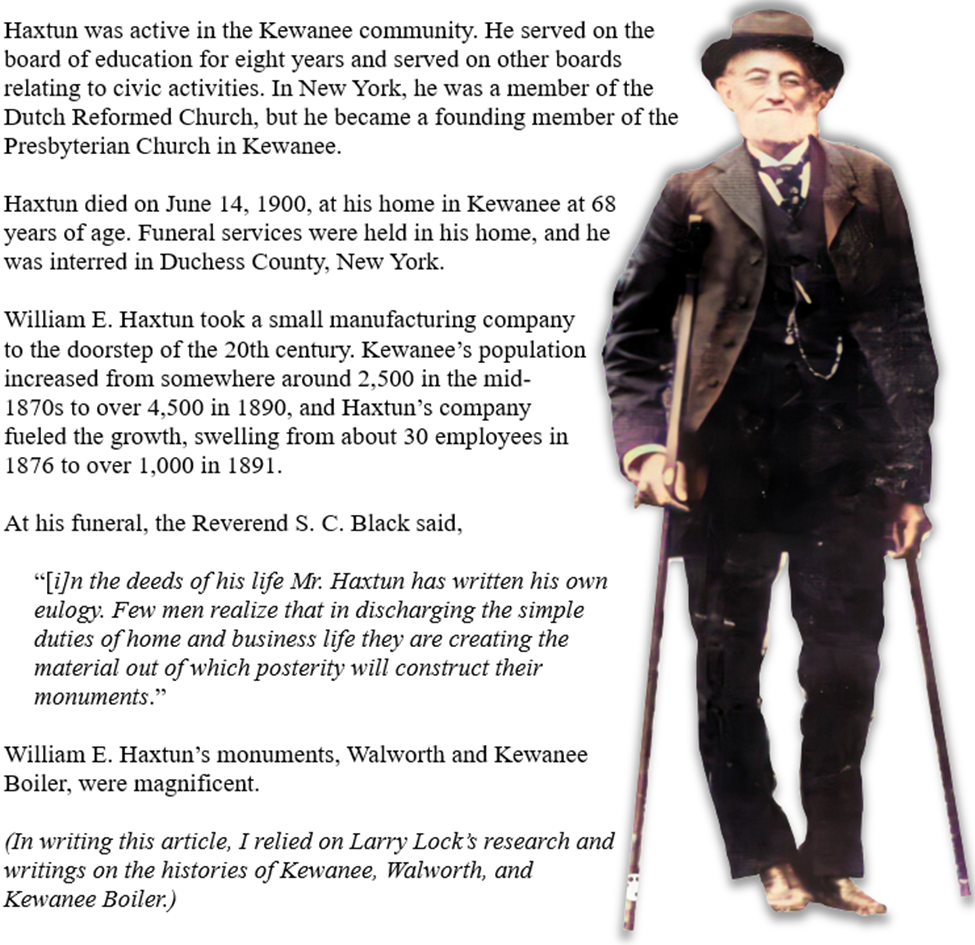
After he retired, Haxtun traveled extensively in an attempt to find relief for his health. But ultimately, he continued to make his home in Kewanee.