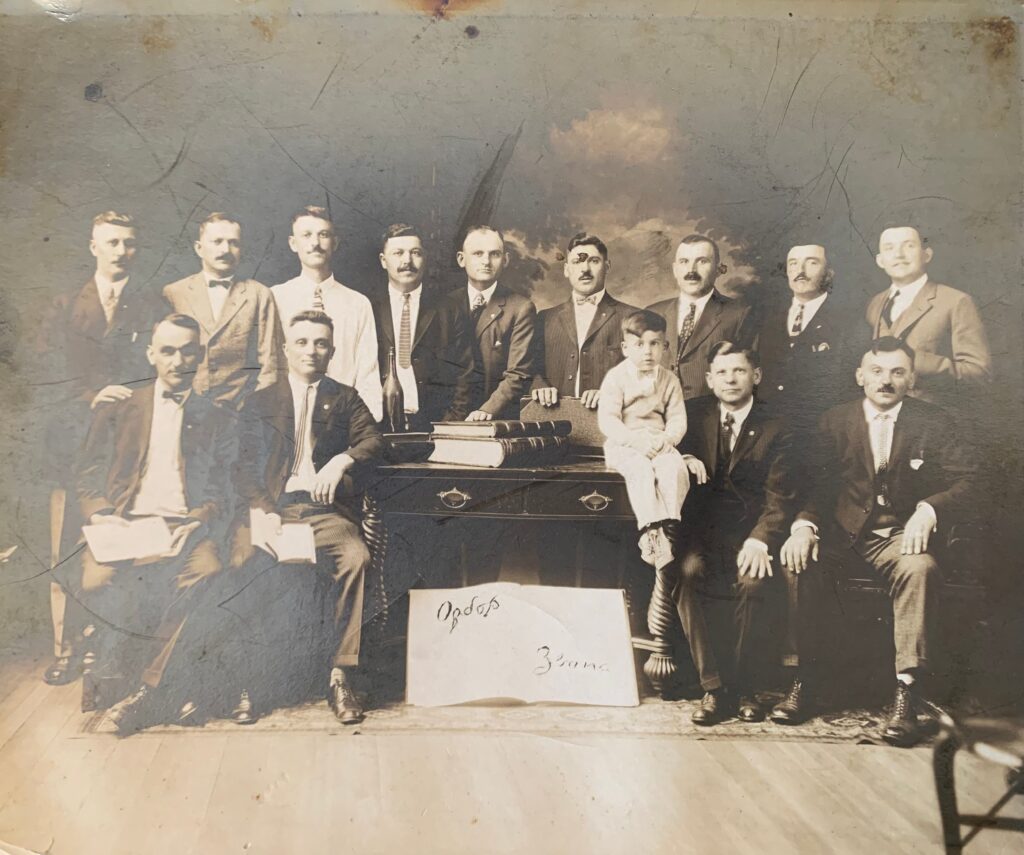
***This column is the first of a two-part series written by Tim Pletkovich on Serbs in Kewanee and their history in the community.
“Why Kewanee? What was it that brought everyone to Kewanee?” asked Dusan Pletikosic last August from his summer home in rural Kostresi Saski, Croatia. “There must have been something that attracted so many of our residents to your city.”
Dusan, or “Dujo,” as almost everyone calls him, was referring to the large migration of Serbians to Kewanee from the Banija region of present-day central Croatia that took place during the first decade of the twentieth century.
“There were jobs,” I responded to my distant cousin, as we sat at the kitchen table of his farmhouse enjoying shots of brandy after a sumptuous Serbian breakfast that included kobasica, slanina, and jaja (sausage, bacon, and eggs). “There were lots of jobs. There was plenty of work for the immigrants in our factory town. And not just for Serbs, but for others, both European and native born.”
Dujo has become intrigued by the story of these Balkan transplants from his area, who packed their belongings nearly 125 years ago to begin life anew in a strange and foreign land. Their entrance to America and Kewanee coincided with the great wave of Eastern European migration that occurred at that time in our nation’s immigrant past.
The predominant peoples coming from the Banija Triangle region were Serbians. More than two hundred of them removed to Kewanee during that period as historian Dean Karau has pointed out. His Dragojlovic grandfather was among them.
Some Croatians relocated to Kewanee, as well, although their numbers paled in comparison to their Slavic counterparts. Instead, the Croatians chose cities such as Canton, Ill., where they worked the coal mines and took other blue-collar jobs. Large numbers of Serbs and Croats also populated the Chicago area while others established enclaves around the United States in both big cities and small towns.
“It is fascinating to me,” Dujo continued, “that the names on your graves in the Serbian section of your Kewanee cemetery are the same as the last names found in our village cemeteries. So many of our current residents have Kewanee relatives, although the spellings of the latter’s surnames have been Americanized.”
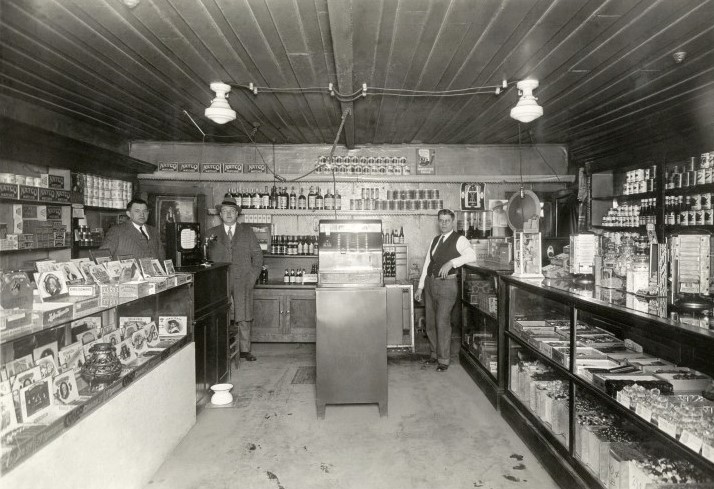
These alternative spellings did not result from errors in transcriptions made by immigration officials at the various port cities, but rather came about because of the immigrants themselves. Government documents containing the original passenger lists of these transplanted Europeans substantiate this claim.
For instance, among the three branches of the Pletikosic (pronounced Plet-ee-KO-seech) family who came to the United States from northern Banija and remained here, all of them changed their last names to “Pletkovich.” And not all of these family members came to a concentrated area in the United States. One branch relocated to Pennsylvania. However, the Americanized version of the original Pletikosic name remained consistent as “Pletkovich.”
In Kewanee, surnames such as Popovic (pronounced POE-POE-veech) became “Popovich,” Dermanovic (pronounced Jer-MON-o-veech) became “German,” Rogulja (pronounced Ro-GOOL-ya) became “Rogula,” Dragojlovic (pronounced Dra-GOY-loe-veech) became “Dragolovich,” Radojlovic (pronounced Ra-DOY-loe-veech) became “Radovich,” Srbljanin (pronounced SERB-la-neen) became “Serbina,” and Vujakovic (pronounced Voo-YOK-oe-veech) became Vujakovich. Some last names such as Puskar (pronounced POOSH-kar) and Kosutic (pronounced KOE-shoo-teech) remained the same.
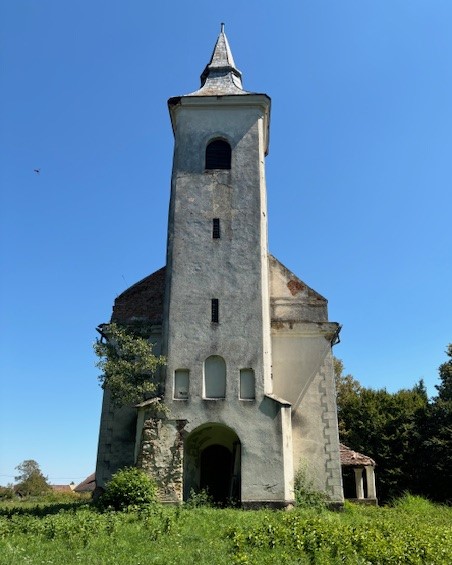
Current Kewaneeans would have even more Banija cousins from these rural farming communities were it not for the devastating effects of World War II, the Holocaust, and the Balkan Wars of the 1990s. Most of Croatia’s current-day Serbian population has been wiped away because of these catastrophic events that occurred over the last six decades of the twentieth century.
In 1991, Serbs constituted 12 percent of the population of Croatia. Today, only three in every 100 people living in Croatia are Serbians.
Watch for the upcoming second part on Kewanee’s Serbian connection.
About the author: Tim Pletkovich is a former resident of Kewanee. After graduating from Eastern Illinois University in 1982, Tim became a scout for the Chicago Cubs. At twenty-one, he was the youngest scout on the payroll of a major league team. After three years with the Cubs, Tim took a job covering the Boston Red Sox for WATD Radio in Plymouth, Massachusetts. He conducted pre- and postgame interviews for Red Sox home games and served as an in-studio analyst for the station’s weekly Sunday night sports talk show. Tim also spent twenty-five years as a secondary school teacher with positions in Queens, New York, and Peoria, Illinois. He taught U.S. history and English. Tim has authored two books: Civil War Fathers: Sons of the Civil War in World War II and Nuns, Nazis, and Notre Dame: Stories of the Great Depression, World War II, and the Fighting Irish. In 2017, he received the Ella A. Dickey Literary Award at the Missouri Cherry Blossom Festival for Civil War Fathers. Past recipients of the Dickey Award have included former First Lady Laura Bush, former United States Senator and Democratic Party presidential nominee, the late George McGovern, and former Texas First Lady, the late Nellie Connally. Tim is currently working on a book composed of narratives of grandchildren and great-grandchildren of American. presidents. He is a member of the Ponosno Pero Association of Central Croatia, a benevolent organization that helps indigent Serbian families in the northern Banija region of that country. He enjoys traveling to the Balkans.