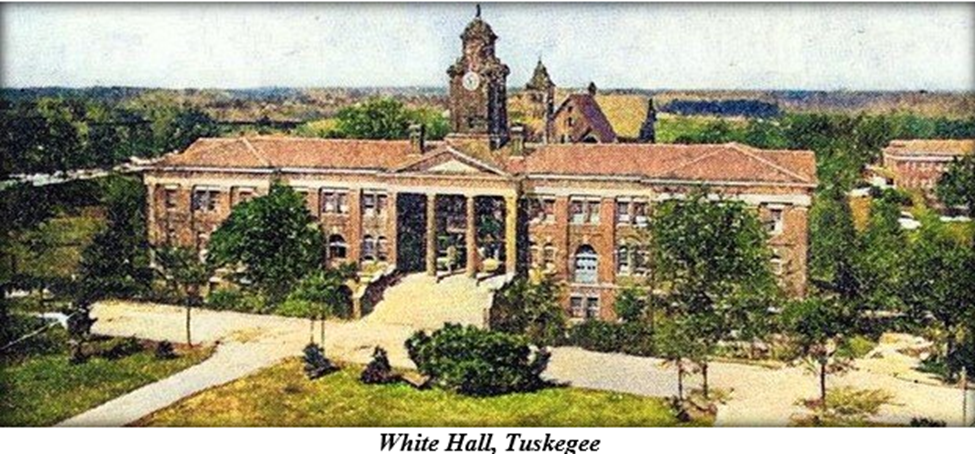
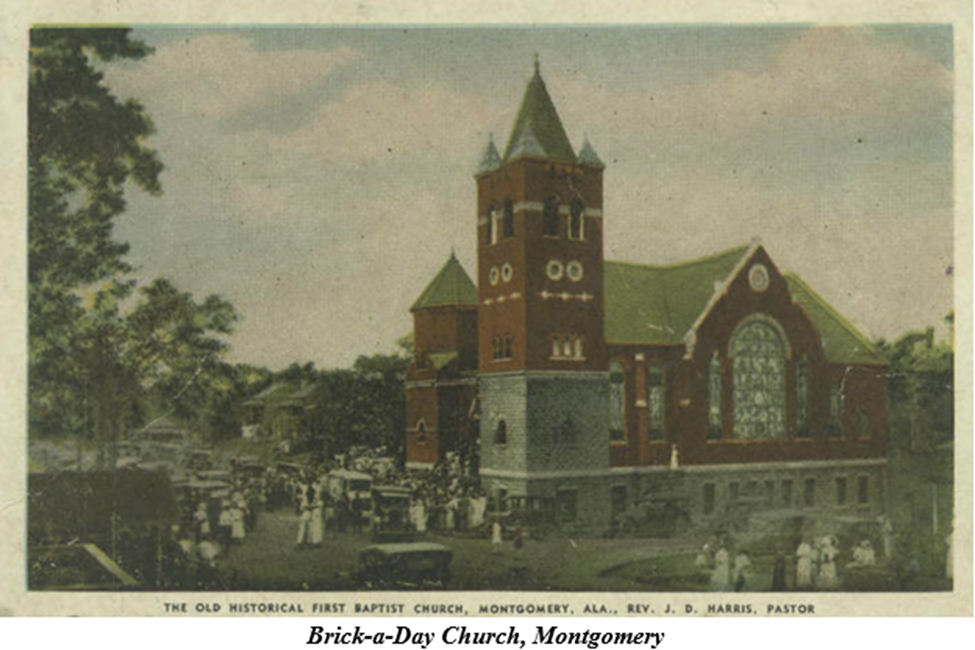
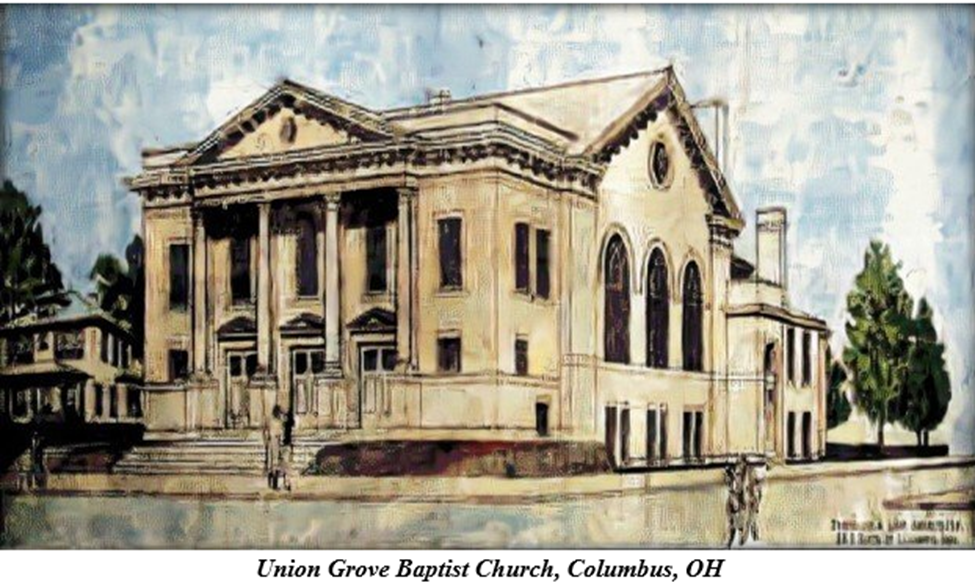
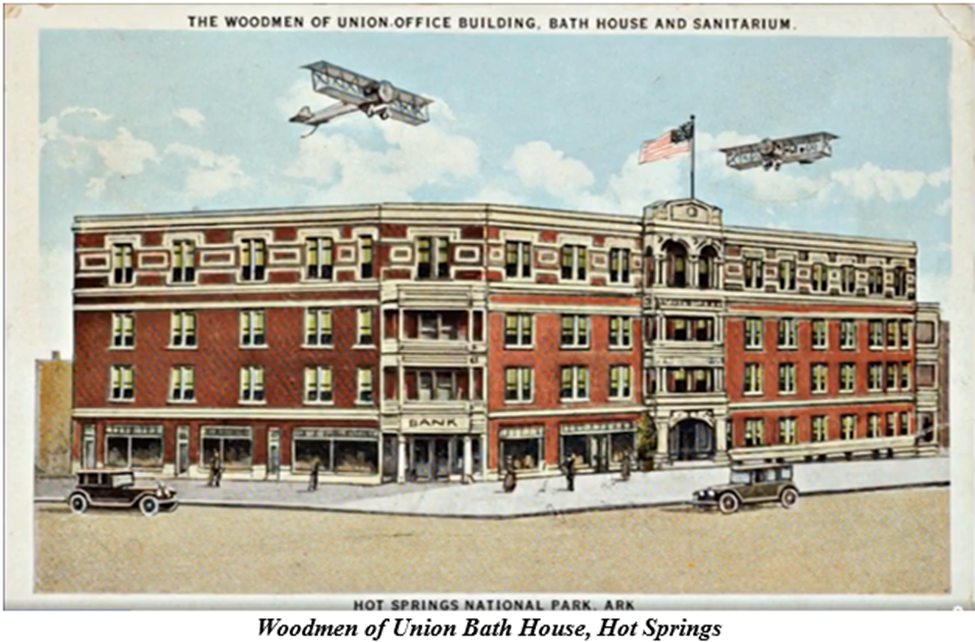
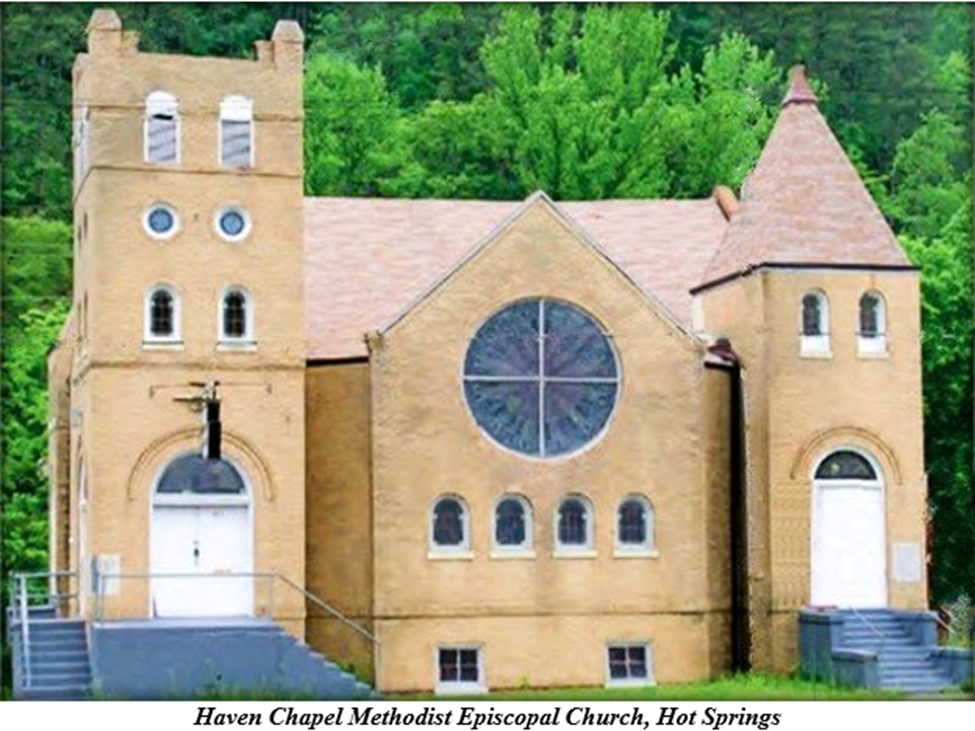
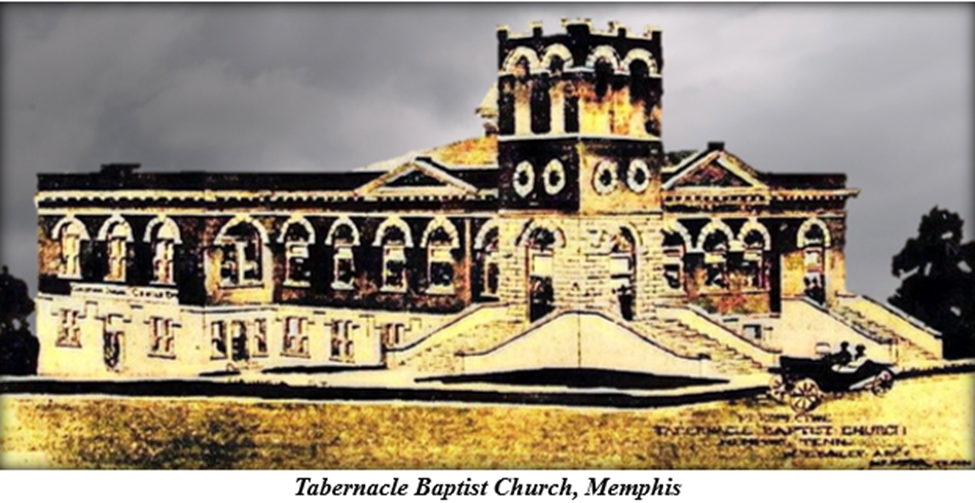
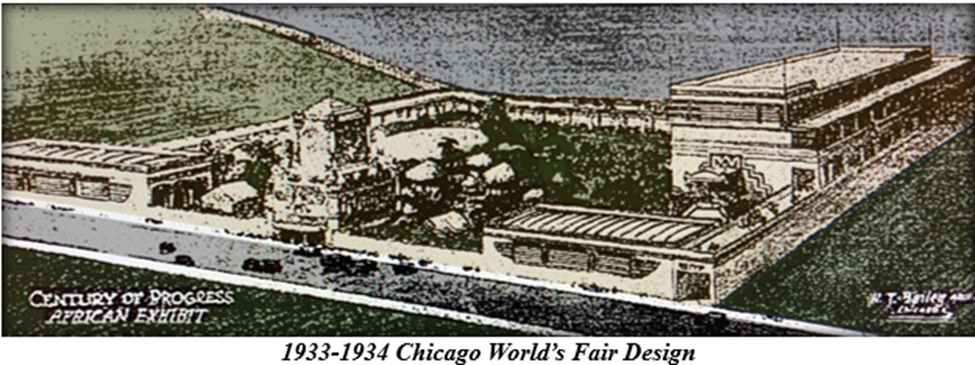
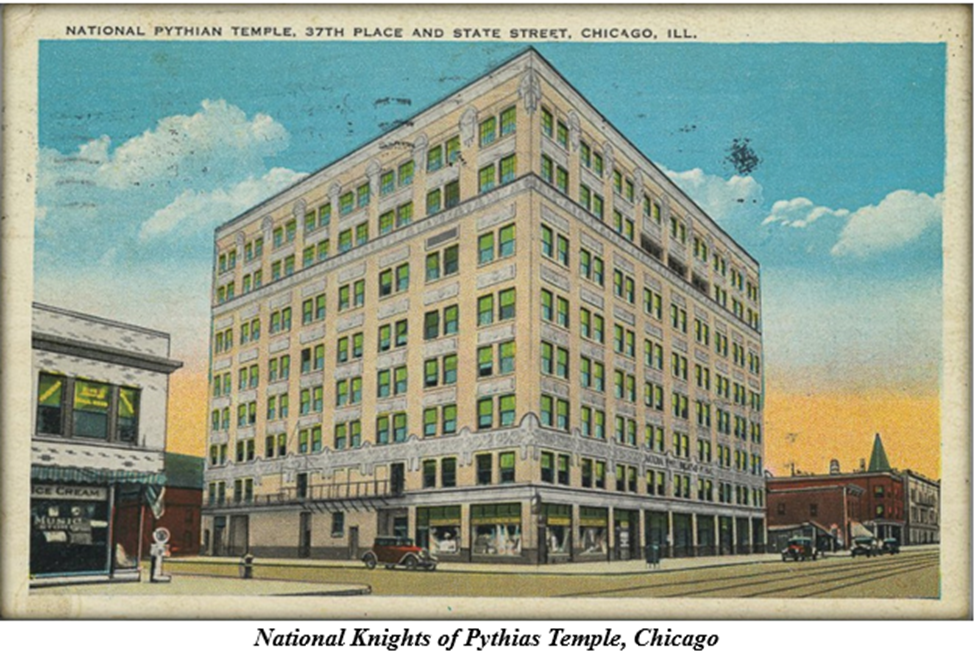
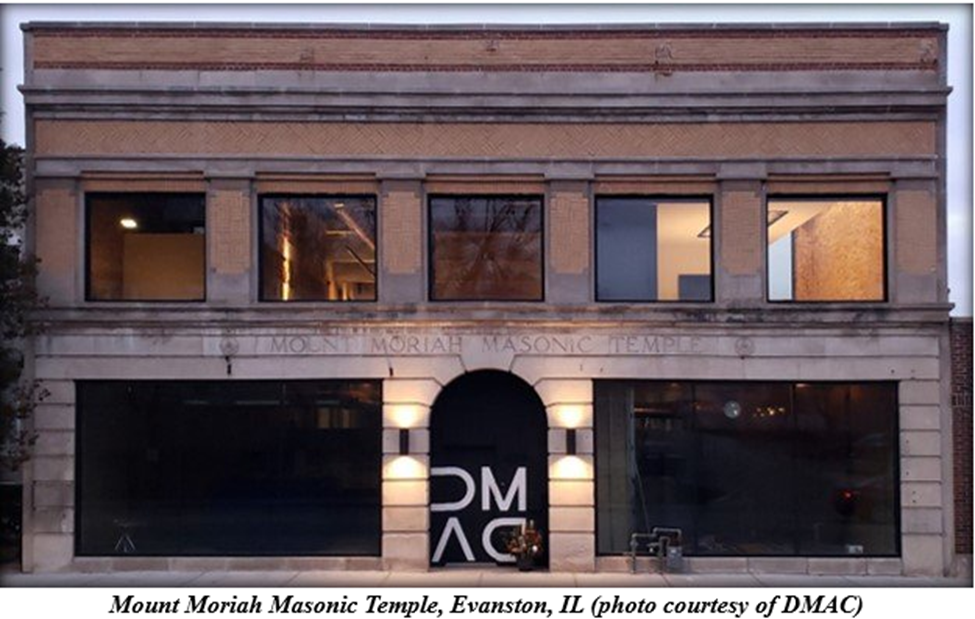
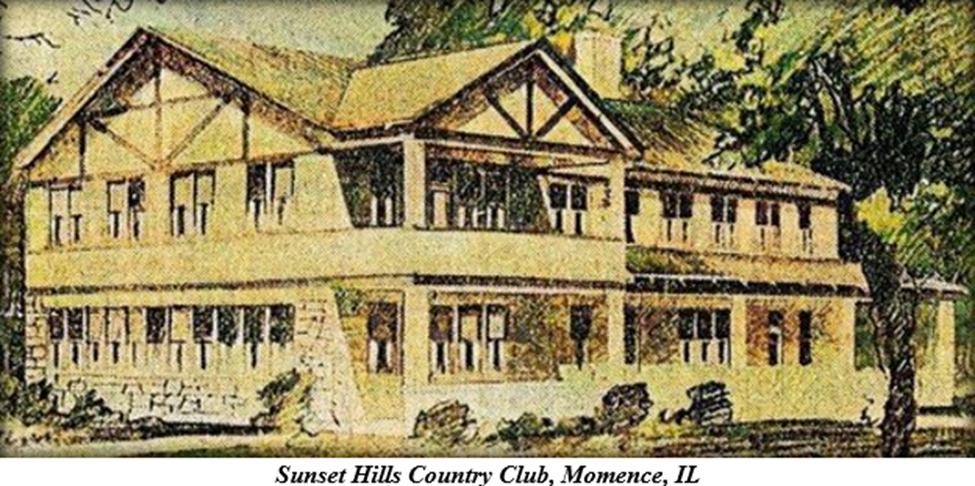
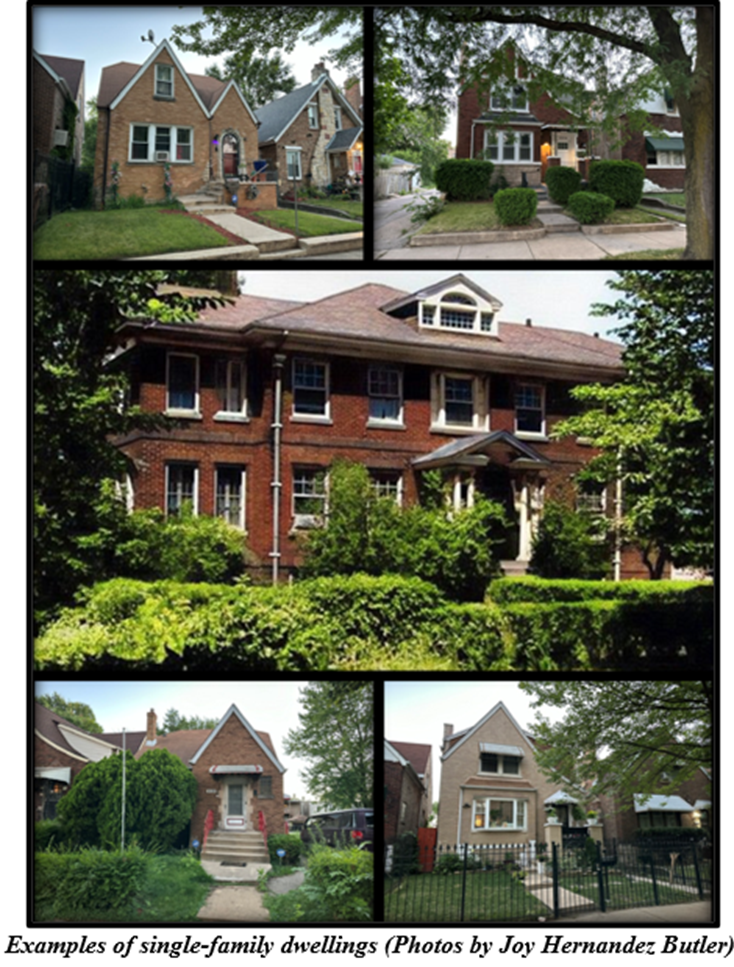
(This story is derived from my book, WALTER THOMAS BAILEY: STARING INTO THE YAWNING GULF OF ETERNITY, with commentary by Dr. Kwesi Daniels of Tuskegee University. The book is available from Amazon.com and for checkout from the Kewanee Public Library.)
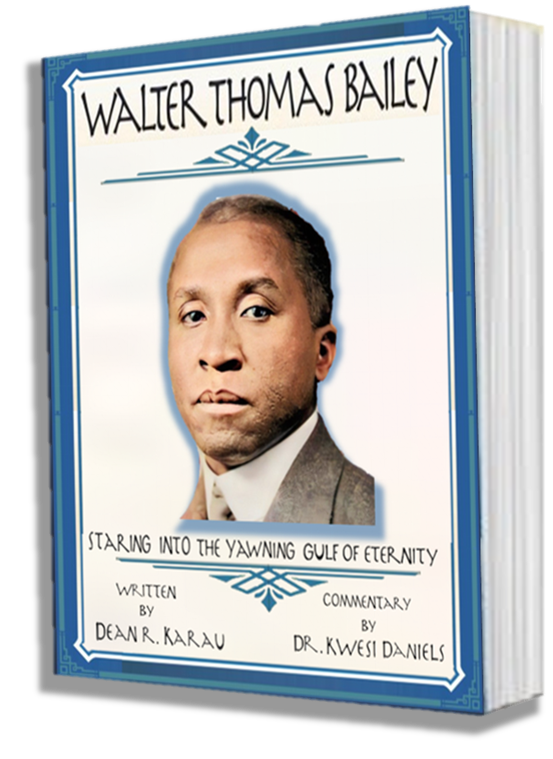
Walter Thomas Bailey was a Black American born in 1881 in Kewanee, Illinois. He became a pioneer, a man of many firsts, including:
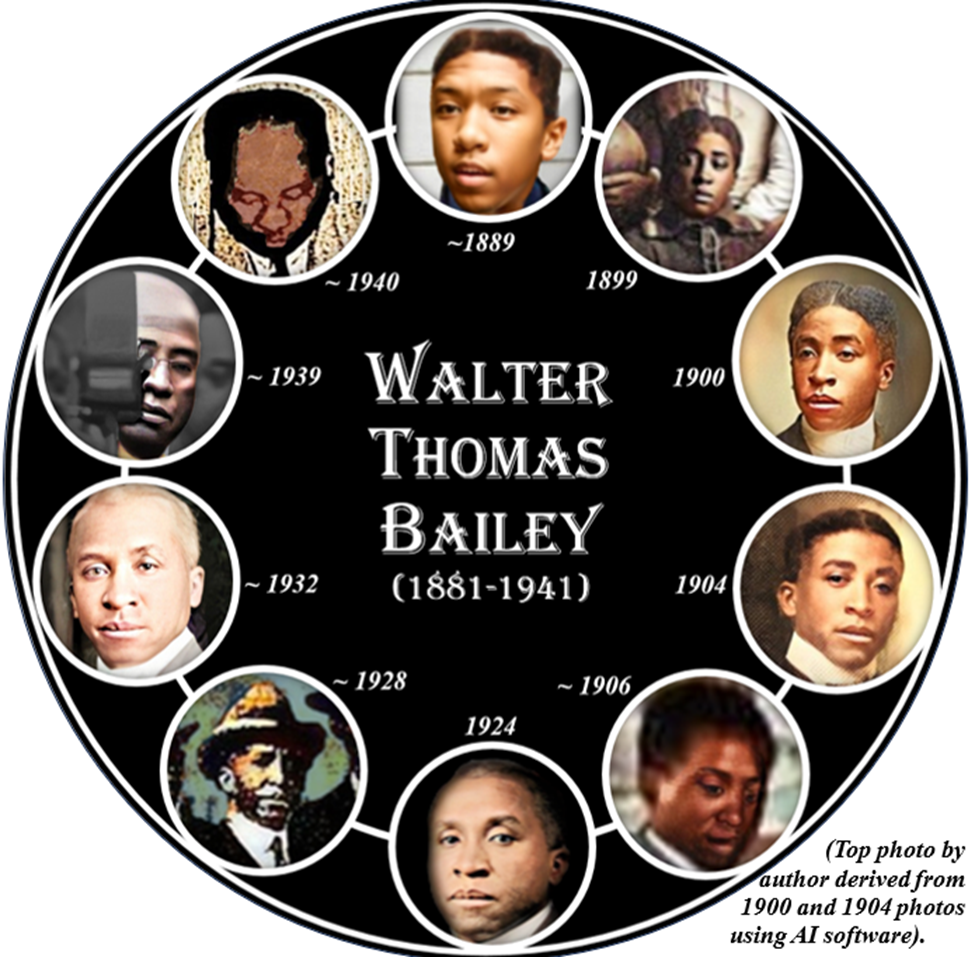
Walter T. Bailey’s parents had been enslaved until just four years before they moved to Kewanee in the late 1860s. They had been denied the rights every White American took for granted – to read, write, marry, own land and enjoy a myriad of other basic human rights. When freed, they were simply turned loose, with no place to go and little or no skills with which to gain meaningful employment. But they labored hard to raise a family.
Walter was born into a life of hardship, one in which he was constantly exposed to adversity. Death was a constant visitor to the Bailey household as he grew up. He lost his father when he was seven years old. Of his 10 siblings, only three survived their childhoods, and one of those survivors died in her early twenties before Walter had graduated from high school. He lost an aunt and uncle. Before Walter’s father died, the family struggled. After he died, the newspaper reported that the family had become destitute.

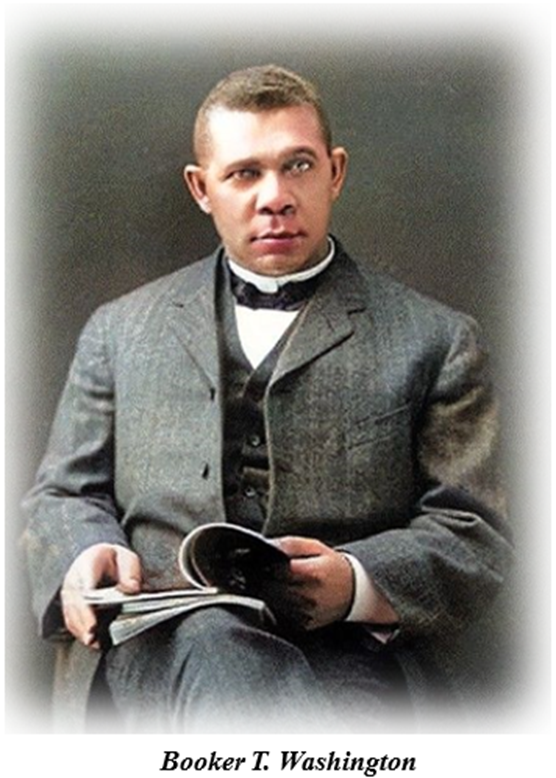
But Walter was guided by the examples of his mother, Lucinda; his two older brothers, Harry and Henry; his older sister, Malinda (before she died); his aunt and uncle, Emily and Frank Lewis; his uncle, Lou Reynolds; and many others. He also drew inspiration from Black American men and leaders like Booker T. Washington. Walter learned to keep reaching for the next fingerhold, the next toehold, on his ascent to a better and meaningful life.
Walter grew up as one of only 40 or so Black people in the city of 5,000 residents. But Walter still stood out, independent of the color of his skin. Although one of only a couple of Black students at Kewanee High School, it was his talent and ability which caused people to take notice of him.
Living in Kewanee, Walter was encouraged by his family and other Black Americans in the community – as well as many white Kewaneeans – to reach beyond what his forebears were able to achieve. He learned pride in accomplishment, be it in work, play or education. Walter ravenously sought those opportunities to learn about the new world order around him and how he could fit into it successfully.
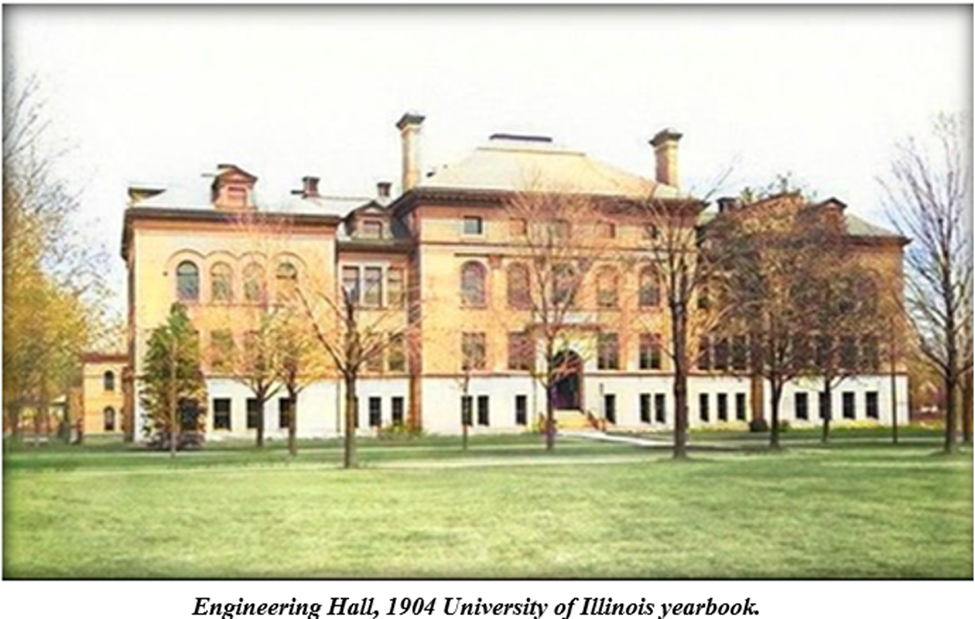
While accepted by his classmates and most of Kewanee, Walter nevertheless knew he was a Black American. Studying at and eventually graduating from the University of Illinois in Champaign, Illinois, Walter again knew he was a Black man – in fact one of only 10 Black students and thus not allowed to eat or live on campus, among other indignities. He knew in 1904 that he was the first Black person to receive a B. S. in architecture from the U of I. And he knew in 1905 that he was the first licensed Black architect in the State of Illinois. His success to-date was despite his blackness.
But when Walter was hired in 1905 to teach at the Tuskegee Institute in Tuskegee, Alabama, it was precisely because he was a Black man, not in spite of the color of his skin. The school’s principal, Booker T. Washington, was recruiting trained Black professionals to teach at his institution and to instill in them and their students the truth that Black people could teach, practice medicine, manufacture products, design houses, and build houses. Mr. Washington reinforced for Walter that there were no limits on what Black Americans could do for themselves and for others, himself included.
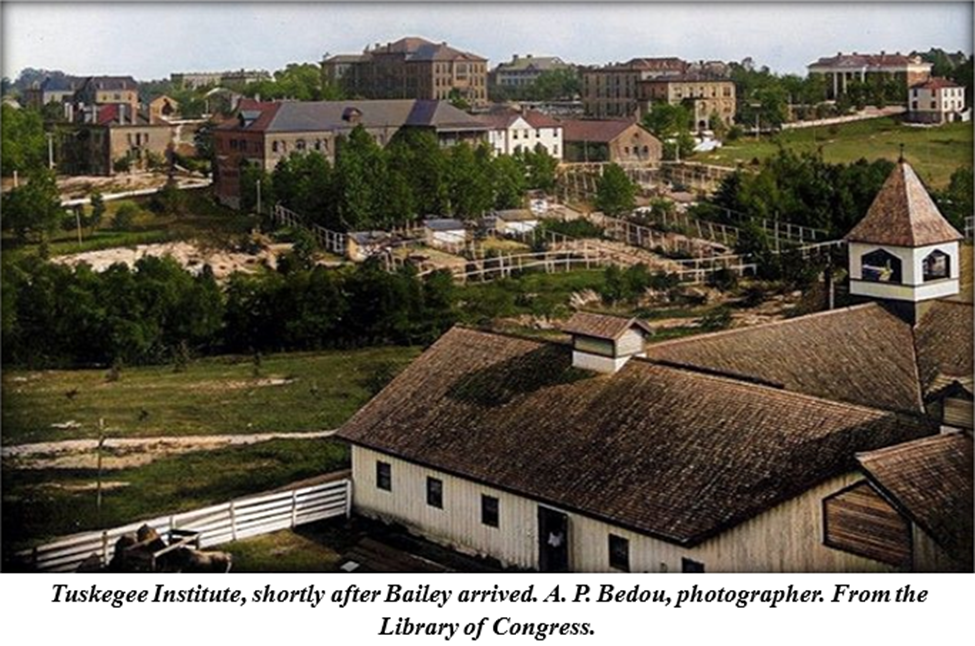
For the next 10 years living in the Tuskegee Institute community, and for the first time in his life, Walter could simply be. He could simply be an architect, not a Black architect. Walter also finally had the opportunity to work beside and learn from other Black American architects and professionals. He met soon-to-be successful Black American contractors and builders. It was also in Tuskegee where he began to make connections with Black American fraternal organizations and their members, from which Walter began deriving work and making more connections.
And, he was motivated further by Booker T. Washington and his belief that gaining economic security through building Black communities would eventually lead to equality among the races.
But when he left Tuskegee for private practice, first in Memphis and then in Chicago, Walter faced the tension of being a Black architect in greater America while just an architect in Black America.
When Walter moved to private practice in Memphis in 1914, at least initially, he may have been the only Black American architect. Again, he made connections with other Black professionals and learned more about being a Black professional while building Black communities and spaces.
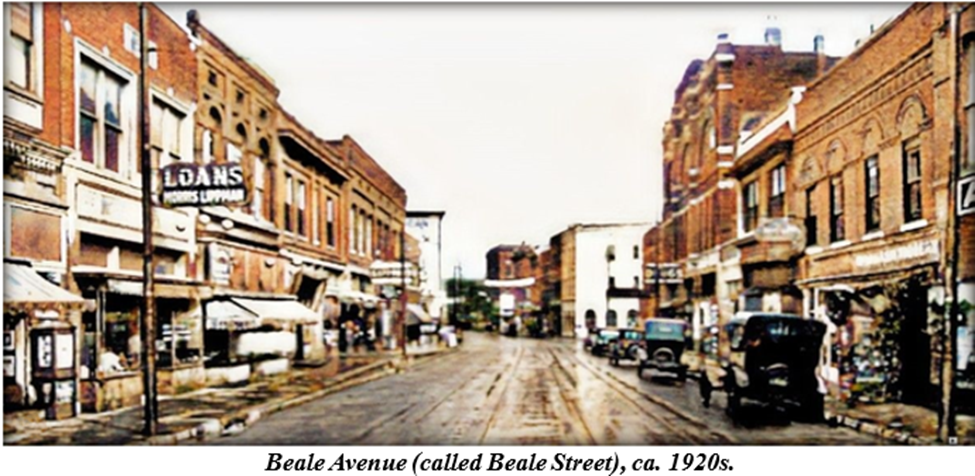
Walter used those learned skills and valuable connections to move his practice to Chicago in 1924, where Black American professionals became part of the Great Migration from the South. During Walter’s time in Chicago, it had become the city with the largest Black population in the United States, if not the world.
Walter also became the first licensed Black American architect in Chicago, paving the way for others such as Beverly L. Greene, the first Black American woman architect, LeRoy Hilliard and Kenneth Roderick O’Neal.
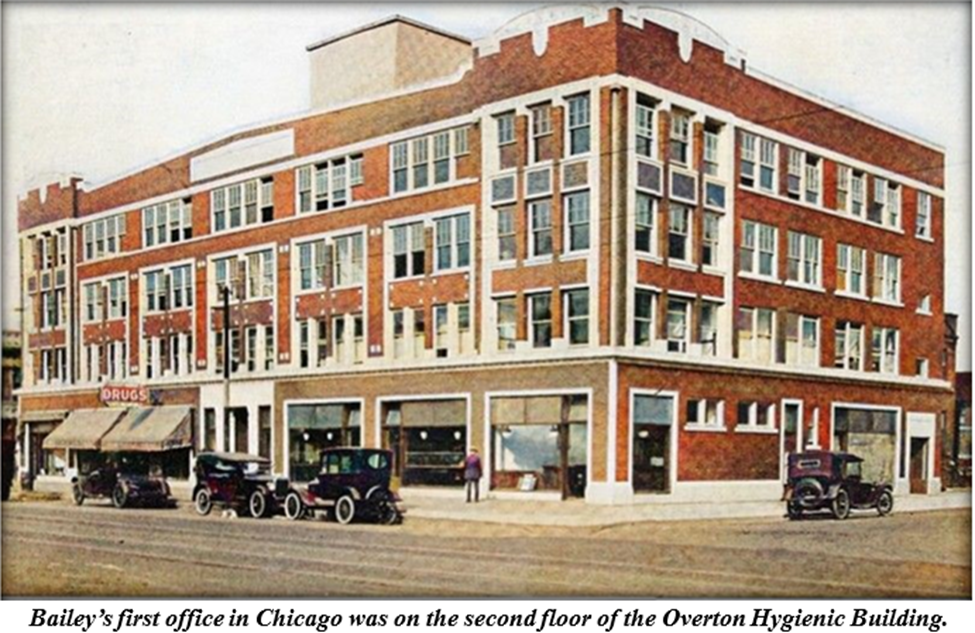
But being a Black American while suffering through the Great Depression decreased Walter’s prospects for meaningful work. However, he persevered, taking on small-scale residential work and then finding government-funded opportunities. The abyss that was the Depression led to the Bailey family having to share their home and to take on boarders, circumstances which continued through the rest of their lives.
Unfortunately, after Walter died in 1941, the importance of his work and its role and influence in shaping Black communities were generally forgotten.
Within the last few decades, however, Walter’s story and his work have slowly been rediscovered.
In Kewanee, it was historian and newspaperman Dave Clarke who rediscovered Walter T. Bailey in 2005 and wrote about this Kewanee man “of firsts” during Black History Month in 2006. Then, in 2018, Kewanee honored Walter with a mural. Clarke, Steve Morrison (Henry County Genealogical Society president), Kewanee native Joy Hernandez (who works in television in Indianapolis while continuing her art career) and others, began researching the details of Walter’s life. The resulting mural and the festival surrounding it was a fitting honor for a man who paved a pathway for others to follow. And it helped to further shine light on the amazing life and work of Walter Thomas Bailey.

Walter devoted his life to designing first-class spaces for Black communities, built by Black contractors and lived in by Black residents. He knew the potency of his work and the role it could play in bringing the vision of Booker T. Washington to fruition.
Walter had seen firsthand how his parents continued moving forward, despite devastating hardship. He learned from them, from Booker T. Washington and other Black Americans, and he knew from his own personal experience how to carve out finger and toe holds in life to continue to move forward.
Walter lived his life knowing that there was no royal road to distinction, that intellectual eminence was only achievable by relentlessly placing one hand and then one foot, one after the next, as he climbed to the summit, never succumbing to the temptation of allowing the abyss to alter his path. He met his obstacles head on and with all within him while trying to succeed, the true measure of success. Walter never allowed the yawning gulf of eternity to deter him from doing the best he could do, being all that he could be.
Perhaps Walter Thomas Bailey, after all of these decades, may finally reach the kind of immortality he deserves.