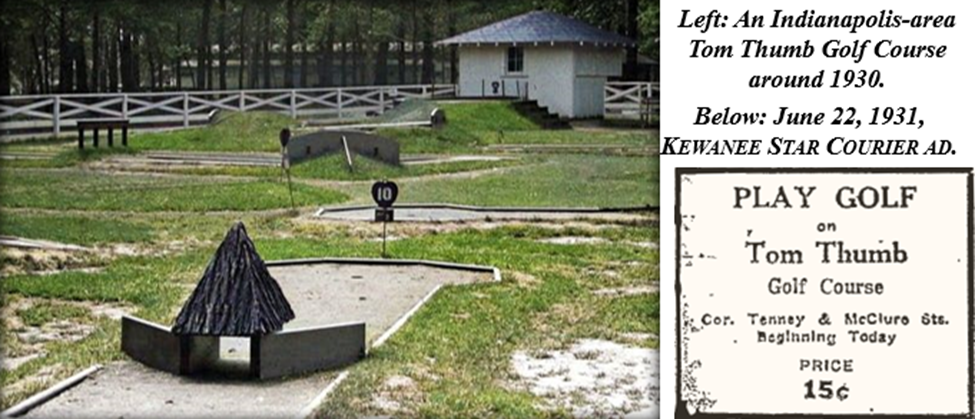
Innocuously, it all started with Kewanee’s first “Tom Thumb” golf course, but it ended in tragedy. Two Kewanee firemen died in a motor vehicle accident on their way to a fire at the course.
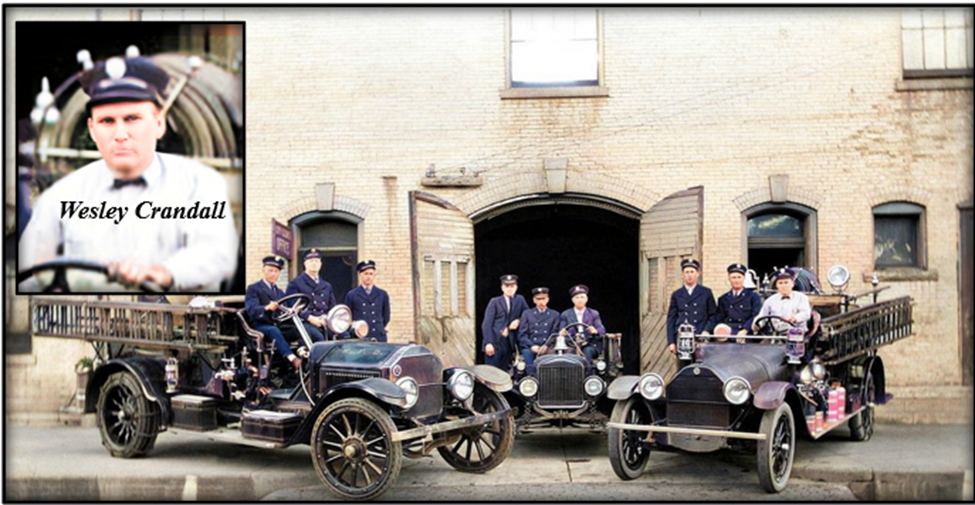
On Wednesday, Oct. 7, 1931, only minutes after listening to the St. Louis Cardinals beat the Philadelphia Athletics 5 – 1 in the fifth game of the World Series, Assistant Fire Chief Carl Sexsmith took a call to extinguish a tree fire near the Tom Thumb miniature golf course at the corner of Tenney and McClure Streets in Wethersfield. He assigned firemen John R. Smith and Wesley Crandall to respond.
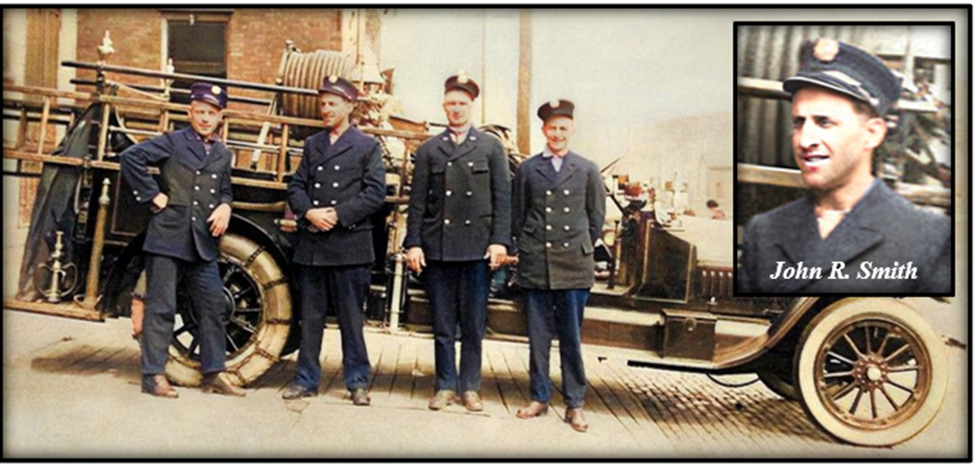
Smith hopped behind the wheel of the city’s Seagrave pumper truck. Crandall, initially standing on the rear of the truck, crawled up to the passenger seat as Smith began the ride. They were driving south on Tremont Street and soon were approaching Central Boulevard.
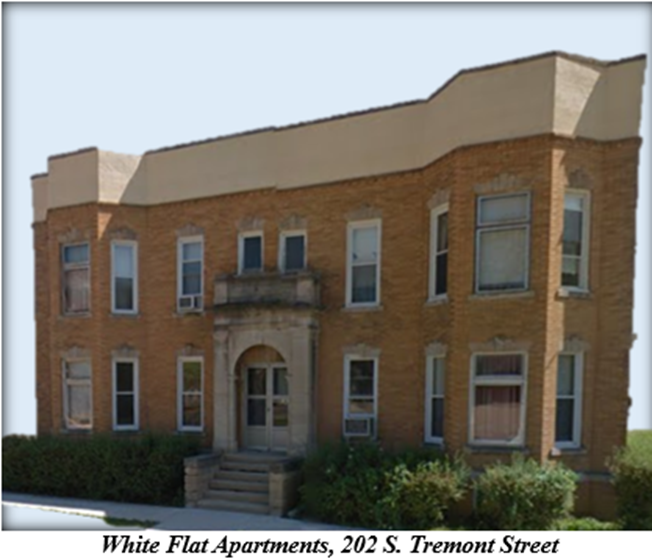
Meanwhile, Perry Meikle, who was driving eastbound on Central in his Chevrolet, started through the intersection at Tremont, initially oblivious to the approaching fire truck. When he finally saw the pumper, Meikle tried to speed up through the intersection to avoid a crash. Smith, having seen the car, stood straight up while clinging to the wheel as he tried to simultaneously brake and maneuver the truck around the car. But the truck struck the rear of the car, sending the car flying off the road toward the nearby White Flats apartments at 202 S. Tremont on the southeast corner of the intersection.
Smith’s efforts to keep the truck straight after impact failed, as one wheel went over the curb while another one caught the curb, swinging the pumper around. It then began rolling until striking the George Magafan house at 206 S. Tremont, to the south of the apartment building.
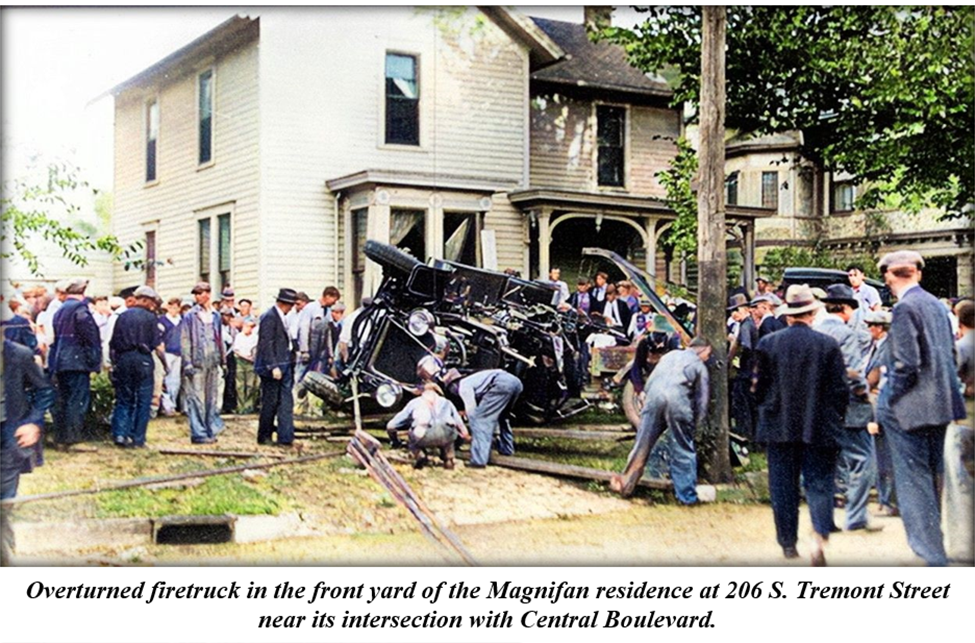
The pumper, with the motor still running, ended up against the Magafan house and laying across Smith’s chest. Over 20 men rushed to the scene and were able to rock the truck enough to pull the still-breathing Smith out from under the eight-ton vehicle. But he died moments later.

Meanwhile, one of Crandall’s legs was pinned under one of the truck’s tires. Magafan, Loring Snow from across the street and others were able to free Crandall. Crandall staggered a few steps before a funeral home ambulance arrived to take him to St. Francis Hospital.
Another funeral home ambulance soon arrived, and Meikle was taken to the Kewanee Public Hospital.
Meikle’s car had been tossed to the curb directly into a group of women walking by the White Flats building. They narrowly escaped being crushed between the car and the building, but were hospitalized for cuts and bruises, in addition to shock. Mrs. T. R. Stokes, Miss Hedwig Maul and Mrs. Will Maul were released the following day.
The fire truck’s frame was wrenched, its windshield and radiator were broken along with other significant damage. At the time of the accident, the pumper had chains on its tires, but no insurance.
A large force of men and trucks worked three hours to drag the pumper from the Magafan house, where it had shattered a bay window and did other damage.
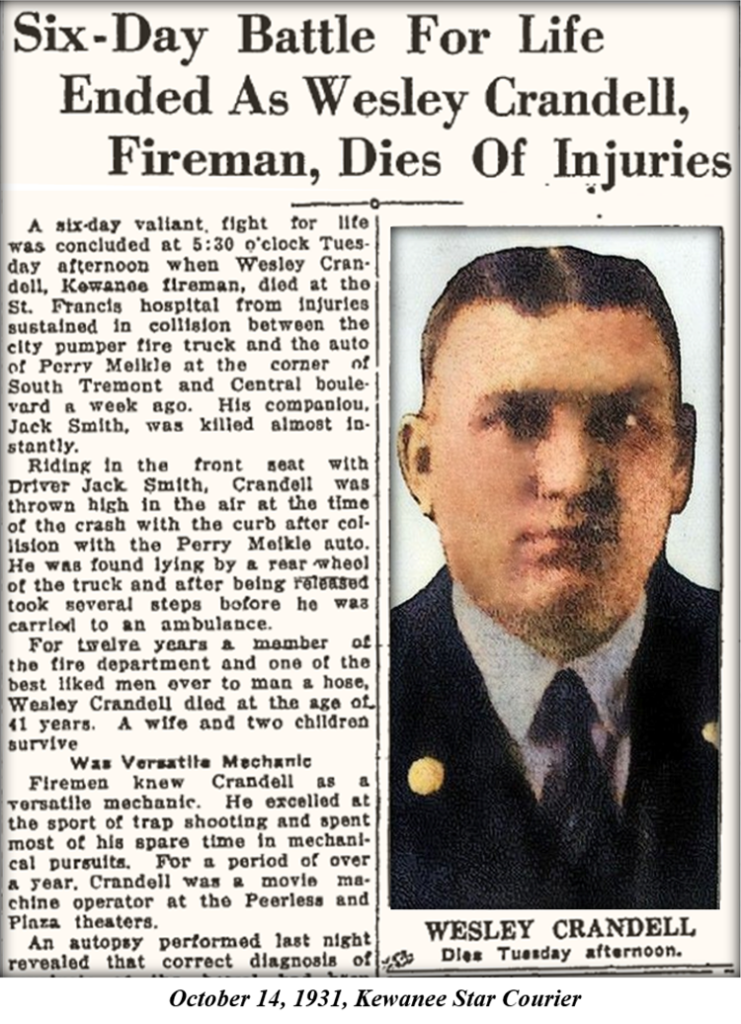
Crandall struggled for his life over the next week, but he died at St. Francis on Oct. 13.
Inquests later held included testimony by one of the women who was hit in front of the White Flats apartments, the assistant fire chief, attending doctors, and Mielke, who could not remember any details of the accident. The jury ultimately determined that the causes of death were accidents.
Both Smith and Crandall had been in the department for over eight years. Crandall was described as a versatile mechanic, while Fire Chief Frank Williams told the newspaper that “Smith was the most careful driver on the force.”
The tragedy led to a reexamination of how Kewanee firemen responded to calls.

(According to a later 1932 Star Courier article, the fire pumper truck involved in the accident was red. However, it’s also likely that earlier Kewanee fire trucks were black and the switch to red was made in 1929. One source suggests that fire engines began being painted red in the 1800s when there was competition between the fire brigades of neighboring cities and towns and, because red was the most expensive color, crews pridefully painted the pumpers red. But another source suggests red trucks dated back only to the early 1920s. To make his cars as inexpensive as possible, Henry Ford only offered cars in one color, black. But with all of those black vehicles on the road, the fire departments began using red vehicles in an effort to stand out. Kewanee purchased a new pumper in 1929, only two years before Smith and Crandall lost their lives. It was likely that earlier Kewanee trucks were black to keep the cost down.)
(“Mini- Golf” had been around since the early 1900s, though the courses were simply miniaturized versions of real golf. But in 1926, Garnet Carter, owner of Rock City, a Georgia tourist park, needed another attraction to keep the attention of those who enjoyed golf. His whimsical course featured pieces of tile, sewer pipe, hollow logs, other obstacles and fairyland statues, but only an occasional tree. While regular miniature golf greens were made of grass, his greens were synthetic. He named his game Tom Thumb golf, and he eventually obtained a patent for it. The game soon became a craze, and it took off across the country. Kewaneeans wanted a course, too, and soon someone opened a Tom Thumb golf course on the corner of Tenney and McClure Streets in Wethersfield in mid-1931.)