Autumn can be a melancholy time. The last flowers of the year are fading, birds are migrating south, and daylight hours are shortening. Still, the season brings compensations, too. As a natural early bird, I have no trouble rising in the morning, but it’s very hard for me to stay up late.
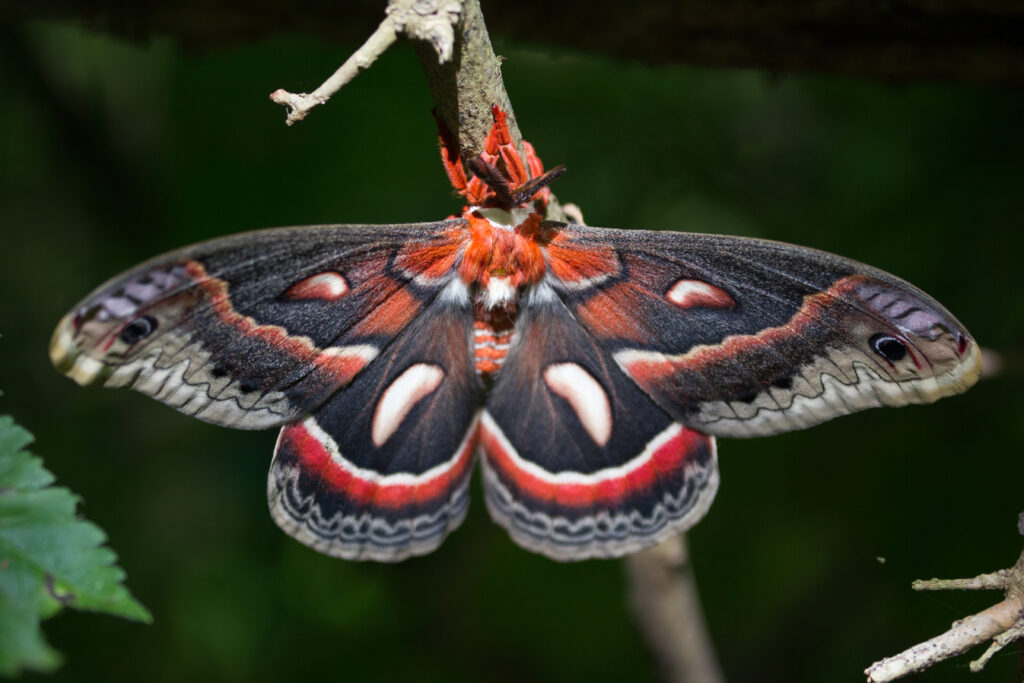
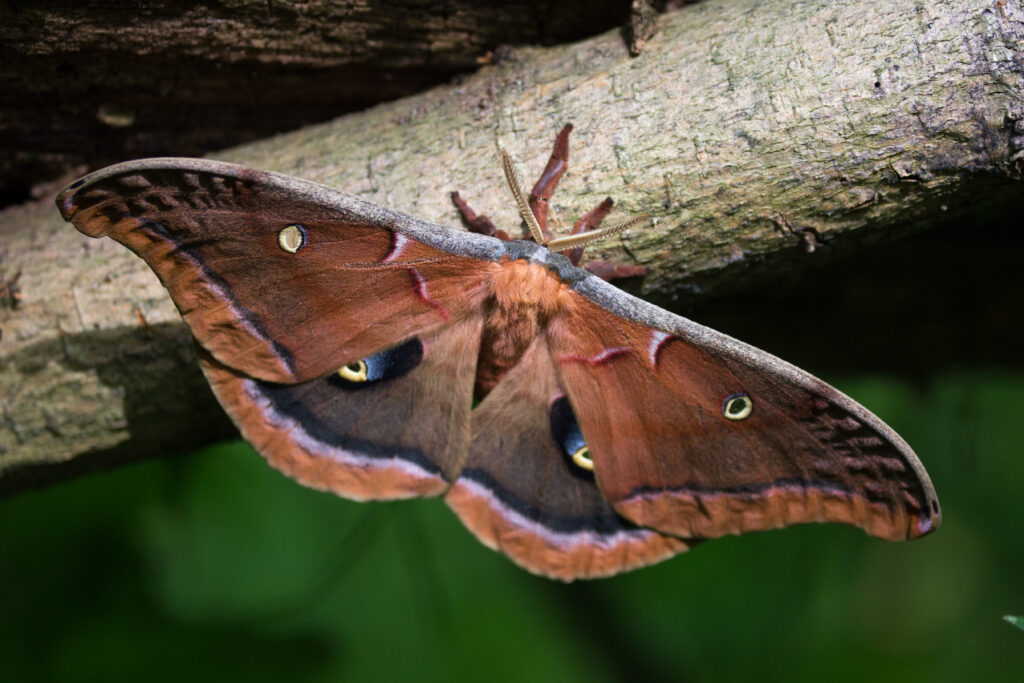
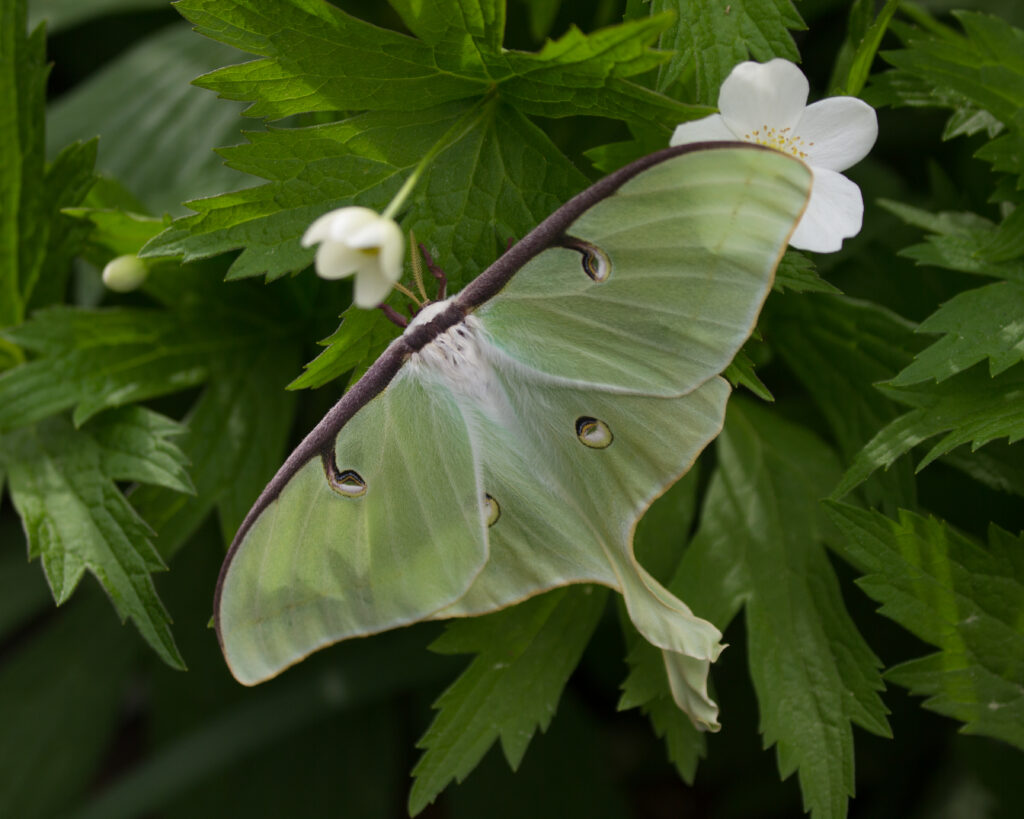
Throughout the summer, I lay out in the yard, watching for night animals like bats, moths, and owls, but I find myself drifting off before the sky is even dark. I see these creatures only by chance, if they’re active at unusual hours, or in other special circumstances. In the case of moths, I’ve kept the cocoons of cecropia, polyphemus, and luna moths over the winter. When the adults emerge in May or June, I’m able to see their beauty in the daylight. It’s rare, though, that I ever see these moths flying about at night. The same is true for the other nocturnal creatures: our active hours simply do not overlap.
Then, towards autumn, their world approaches mine. With the sun rising later and setting earlier, I see nighthawks more often. These sharp-winged birds spend the summer here, catching insects on the wing during twilight hours; I seldom see them until late August or September. In late summer, I also see more bats, looping in the air above my yard. Still later in fall, when the nighthawks have flown south, and bats have begun to hibernate, I encounter other night creatures.
One recent morning, I let my dog outside well before sunrise. As I stood by the open door, I noticed a high, trilling whinny somewhere off to my left. Seconds later, it was answered from the darkness off to my right. These calls sounded almost like horses, but I knew what they really were: screech owls. I had heard these tiny owls calling from my neighborhood many times before, but never like this, in a duet. I stepped out into the yard, listening closely, and as I peered into the dimness, an unmistakable silhouette swooped across the sky. I gasped. I had just seen the screech owl!
Barely believing my luck, I kept watching, and once again the little owl flew over the yard, this time in the other direction. It was a breathtaking start to my day.
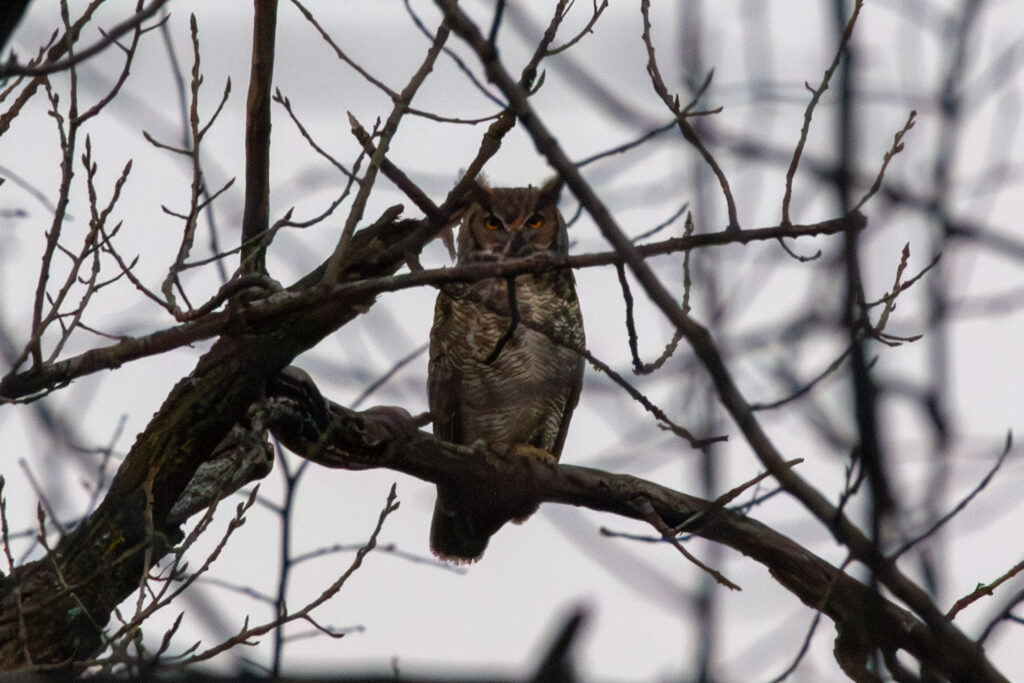
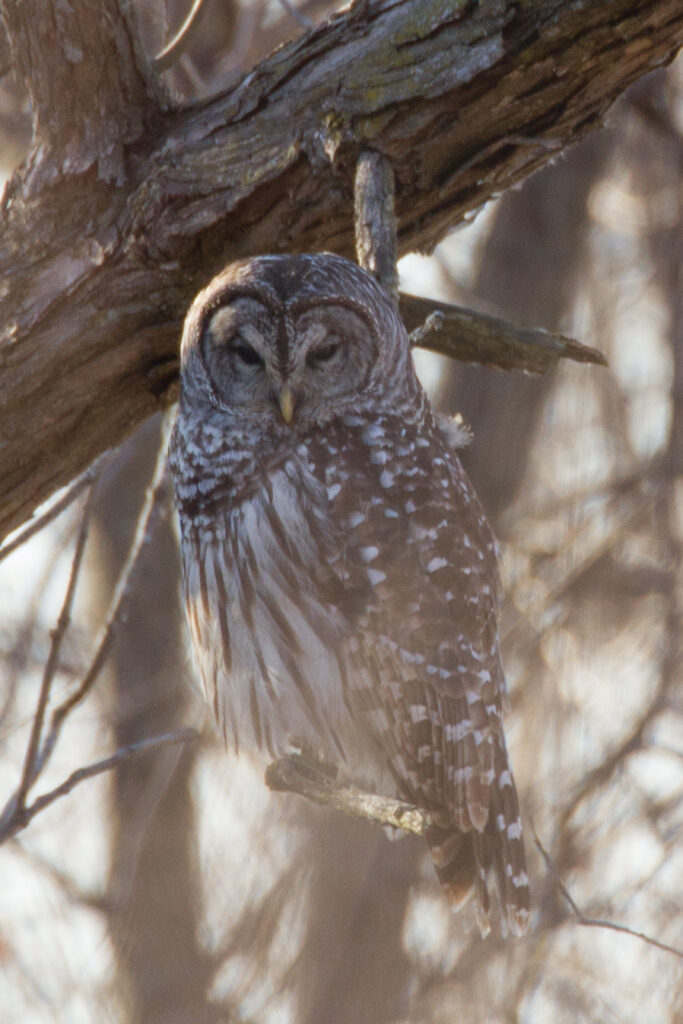
When Marc and I walk out at Johnson-Sauk Trail on fall evenings, we hear other owls duetting. Barred owls cry out what sounds like, “Who cooks for you? Who cooks for you all?” Sometimes, after several such exchanges, the pair erupts into cackling. Great-horned owls call back and forth in a voice that reminds me of a bass flute, with the male’s pitched slightly lower. Whenever we hear owls, we stop to listen and scan the woods. It can be hard even to locate just where their call is coming from, let alone to see owls in the fading light, but sometimes we’ve been fortunate. Whether seen or heard, owls bring magic to autumn walks.
As the year moves on, our evening walks will end in deeper darkness. The first stars will have appeared in the violet sky. We may hear the song of coyotes or see a feathered silhouette across the moon. These chance meetings will soften any sadness I feel at leaving the summer world behind.