For a long time, my dad had been raving about a place called the National Butterfly Center, a privately owned 100-acre nature center down in the southernmost part of Texas. Because of where it sits, the National Butterfly Center sees more butterfly species than anywhere else in the United States.
Their woodlands and gardens draw many southeastern species, as well as some who stray in from further west. Most stunningly, tropical butterflies native to Mexico and Central America make occasional appearances at the National Butterfly Center. It was a place I very, very, very much wanted to see—especially during peak season, when numbers both of species and of individual butterflies reach their height. Then, I’d heard, butterflies fill the air over the gardens like confetti at a parade.

However, peak season comes in fall, toward the beginning of November. For teachers like Marc and me, traveling that time of year is impossible, so we instead planned our trip for June—when temperatures can soar above 100 degrees. I wasn’t excited about that kind of heat, but it seemed a small price to pay in exchange for the magic of butterflies. And, even if numbers were lower than they would be in fall, I knew that any butterflies we did see would be spectacular.
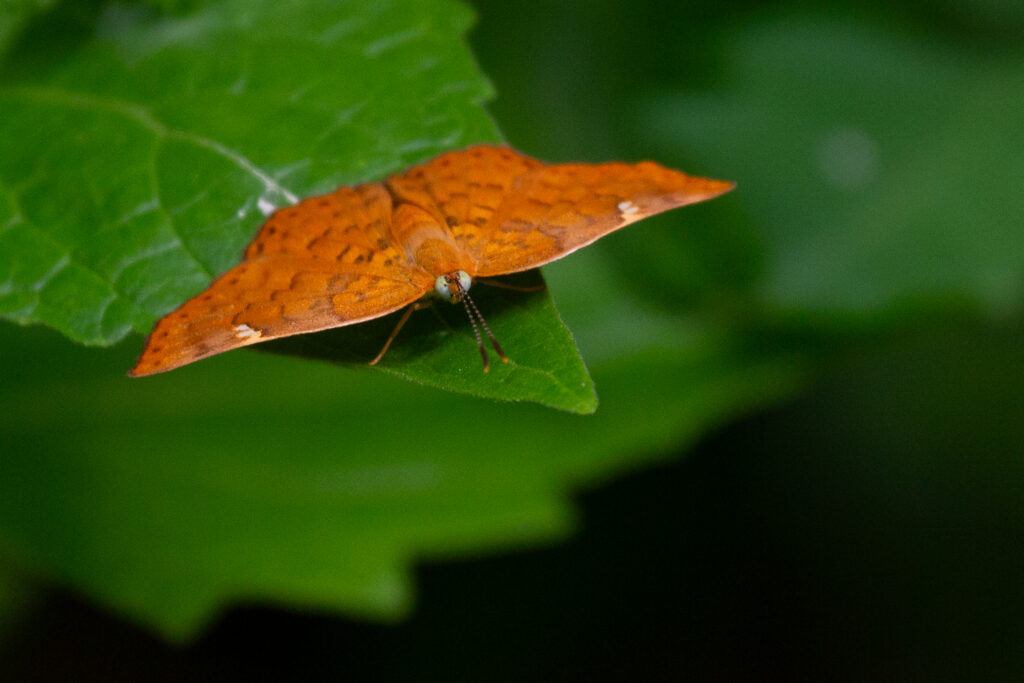
I just had no idea HOW spectacular—or how much other beauty would be found down at the National Butterfly Center.
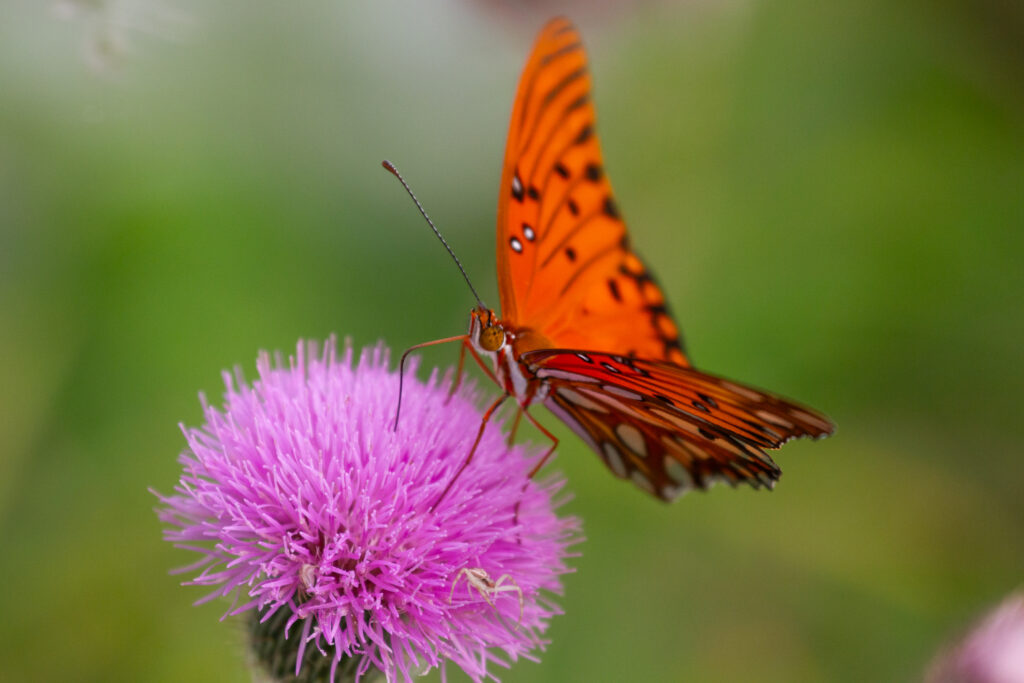
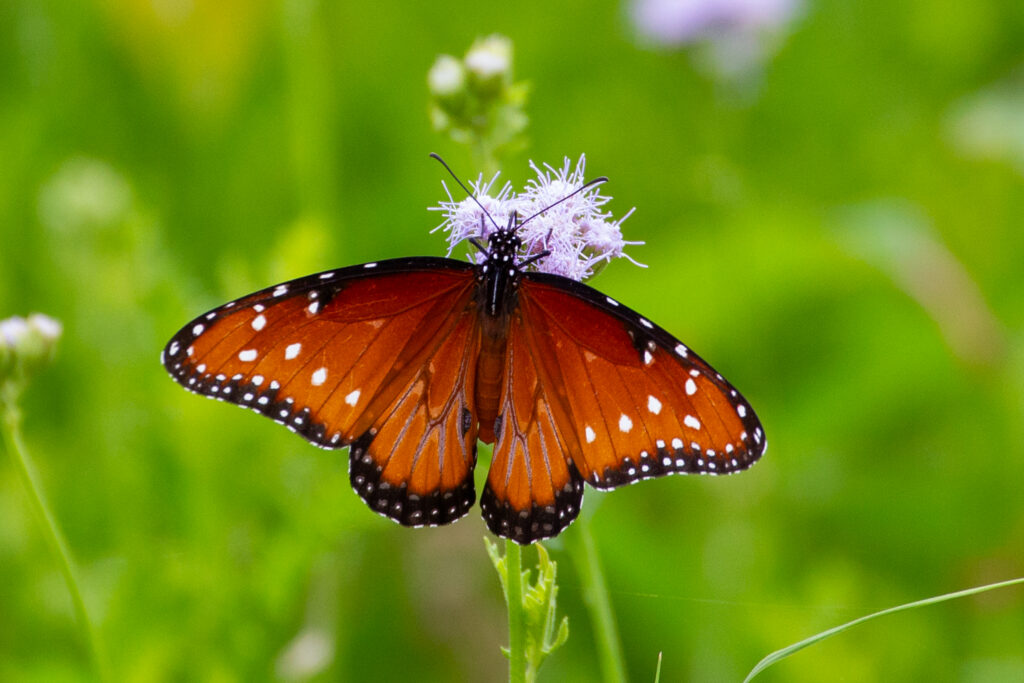
Late spring rains had brought a wealth of blooming flowers to the gardens, which in turn made a nectar feast for butterflies. They were having a very good June! Everywhere I looked, I saw flashes of color, vivid winged creatures dashing from flower to flower. We encountered species I’d never seen before, like the exotically beautiful Mexican Bluewing and the vibrant orange Gulf Fritillary. Some brought to mind familiar favorites. The Queen butterfly, for example, is a close relative of our beloved Monarch and looks very similar. In the Center’s woodlands and gardens, I came face to face—sometimes literally! —with some of the most exquisite beings I’d ever seen.
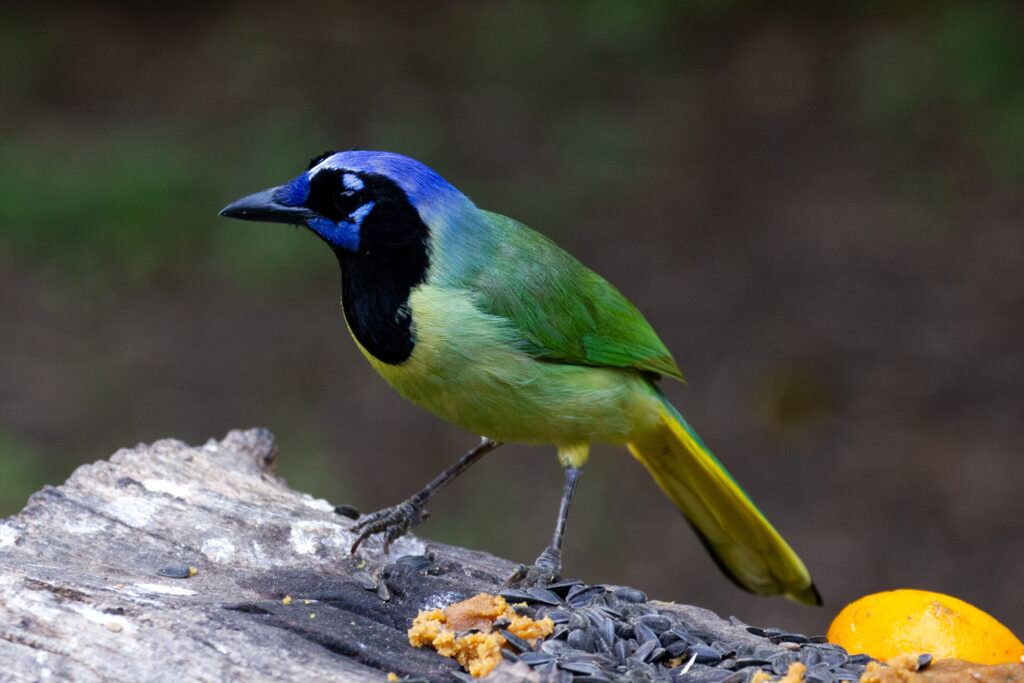
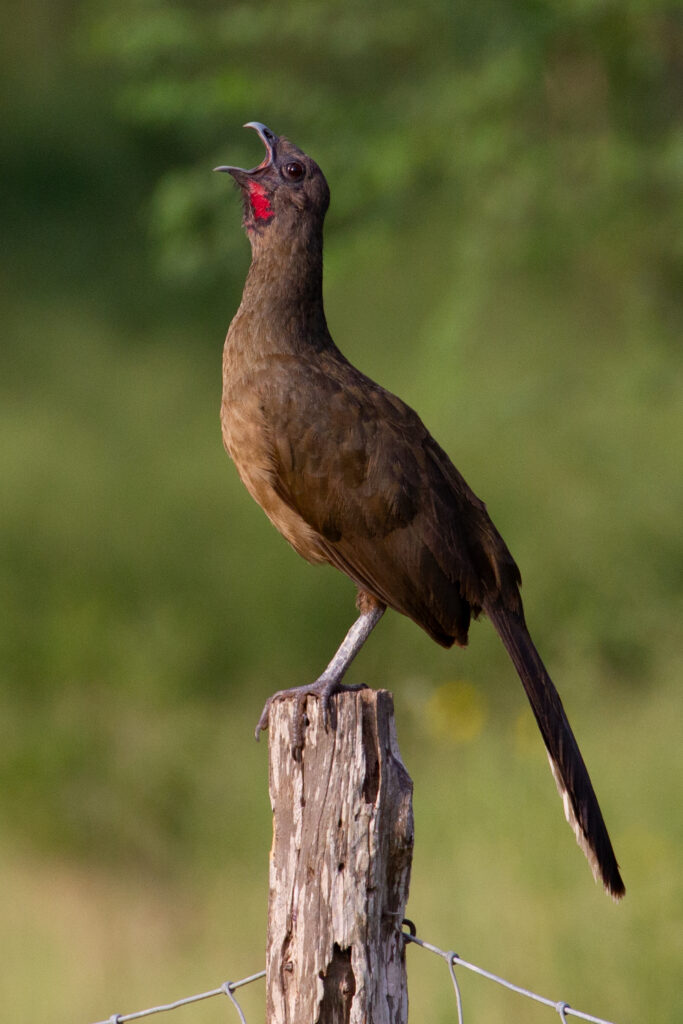
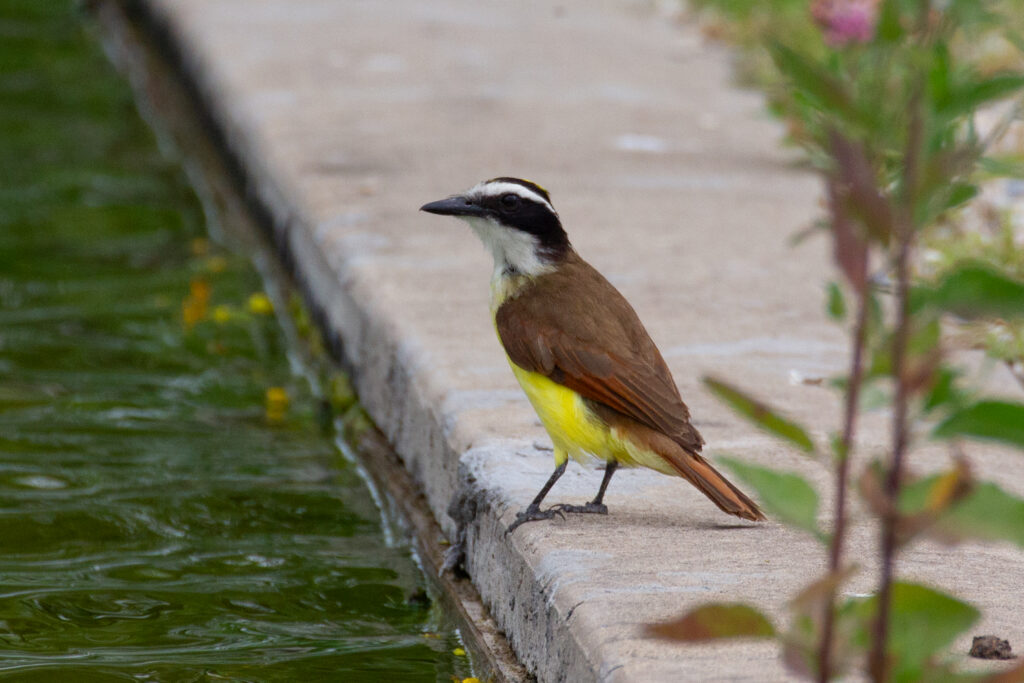
Not all of them were butterflies. The Center also plays host to birds, some of whom are south Texas specialties—they live in the Lower Rio Grande Valley, but nowhere else in the United States. The Great Kiskadee, Plain Chachalaca and a gorgeous tropical jay called the Green Jay all fall into this category. The Center provides everything these birds need, from native plants (for food and habitat) to water sources (for relief from summer heat). Employees also keep several feeding stations stocked with fruit, seeds and hummingbird nectar. Feeding time—which Marc and I witnessed twice—was a flurry of activity, with woodpeckers, doves, jays and grackles all vying for their share. It was amazing!
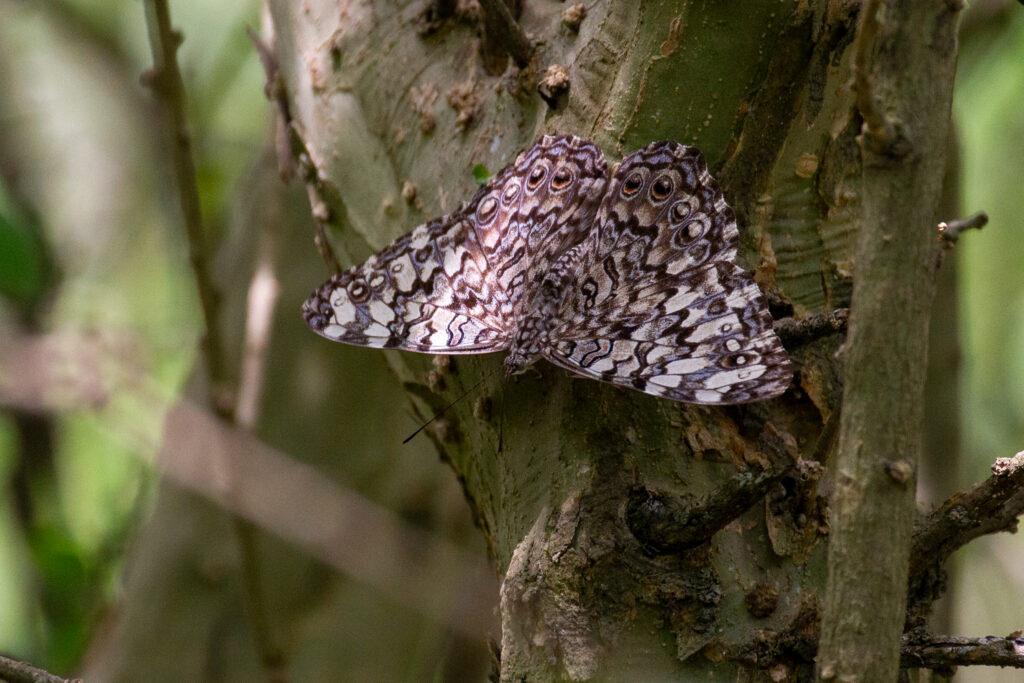
Through these bird feeding sessions, and through other interactions I had with National Butterfly Center staff, I could tell how much everyone there loved their work. To a person, they were welcoming, kind, and informative, and they went out of their way to help us experience the natural wonders around us. At one point, when Marc and I were poking around a garden near the Visitor’s Pavilion, an employee ran outside to tell us that an unusual butterfly (called a Gray Cracker) had been seen on one of the woodland trails. We hurried over that way. Once on the trail, we joined a group of fellow enthusiasts—visitors and staff members alike—who were searching through the trees for a glimpse of the rare butterfly. We felt an instant sense of community.
Indeed, fostering community among people is a vital part of the Center’s mission. They host events such as Girl Scout campouts, story time for children, guided nature walks, Loteria Mariposa (Butterfly Bingo), and the annual Texas Butterfly Festival. Around the time when Marc and I were down there, they held a “Roots and Renewal” event, where local community members were invited to help plant a new garden.

Such events create a strong current of hope that flows through the National Butterfly Center. It’s a place that looks toward the future. They have nursery buildings full of native plant seedlings. They have plans for growth in both the physical space and the event programming. Despite any challenges that come—through finances, politics, the climate, or other fronts—the people of the National Butterfly Center keep working to make the world a better place.
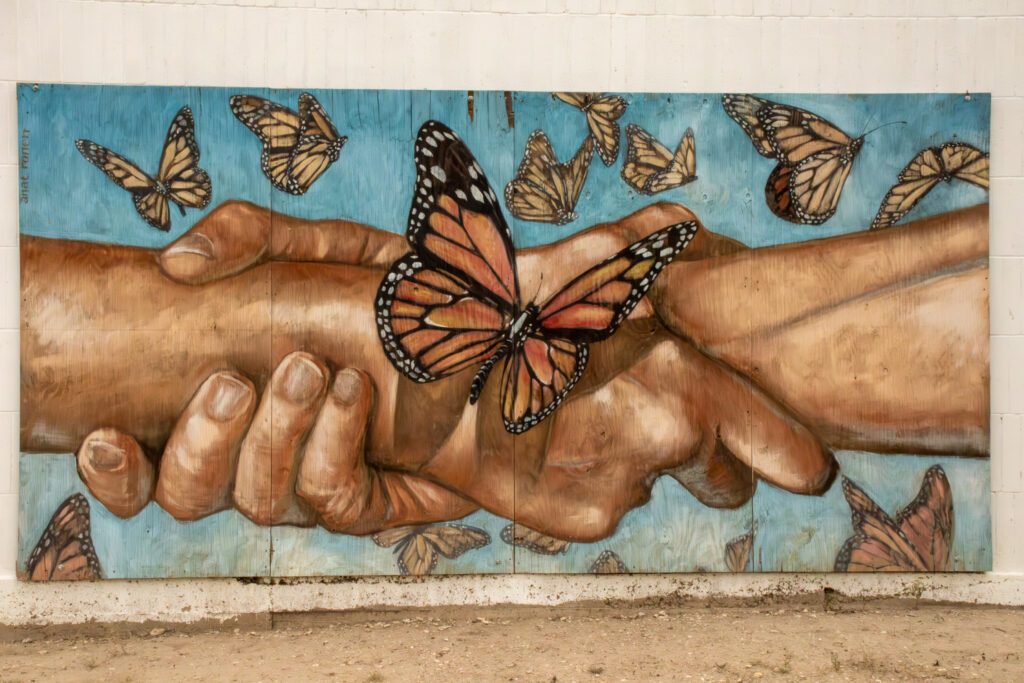
Even with this vision for the future, for me, the Center was also a place of memory. A certain walkway through their back garden was lined with memorial bricks, inscribed to honor people who loved butterflies. One brick bears my mom’s name, a tangible link to my family. There were other links as well, more fleeting. The many bright wings dancing over the garden flowers gave me glimpses of happy childhood days—of chasing after butterflies with my brother—of learning their names from my dad. Of sunshine over a different, distant meadow. Although I’d never been to the National Butterfly Center before this June, the place held some of my most cherished memories.
Now, I have so many new memories—of color and life, of community and hope—and I will treasure them for years to come.
For more information on the National Butterfly Center, visit their website.