
It’s okay. Really. I know what our mothers and grandmothers said. I know what the fashion magazines said. “Never wear white after Labor Day” has been the rule for decades. But seriously, why?
Snobbery. Plain old snobbery that dates back to the mid-1800s. Following the Civil War, there was a surge of new millionaires. Those with “old money” were appalled at the cash-heavy newcomers and felt it necessary to make a clear distinction between their historic wealth and the “new rich” who they felt crass and unworthy.
Back then, to wear white after the close of summer earmarked you as crude and classless.
Coco Chanel, the French fashion icon was quick to disregard the taboo, wearing her splendid white creations year-round. Her famous quote, “The best color in the world is the one that looks good on you” and is permission enough to make your wardrobe choices perfect year-round – even after Labor Day.
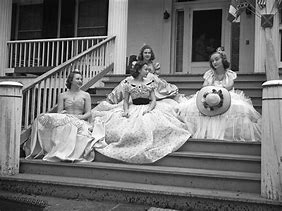
The traditional color for bridal gowns is white, but the practice is not all that new. Brides of old usually chose pale colors for their nuptials, and it wasn’t until Queen Victoria married Prince Albert in 1840 that the trend began.
The young queen, ever the industrial class friend, opted to wear a white gown to show off the fine detailed Honiton lace produced by the British lace industry, which was floundering at the time. Her style was widely reported, and soon white gowns were the norm at home and abroad. It quickly became cemented in tradition in the 20th Century. As time went by, a white gown and veil became a symbol of “purity and innocence.”
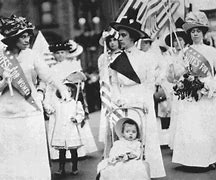
White has also been used to make a political statement. Suffragettes wore white because it symbolized purity and moral virtue, and suggested that women could be expected to vote for politicians and policies that would better society. Female members of Congress often wear white to honor those who fought for suffrage when in session and at important political gatherings.
Painters wear all-white attire because it attracts attention and acts as a subliminal “wet paint” sign at the job site. White clothing reminds people to be aware of their surroundings, making it less likely for the freshly coated surfaces to be disturbed, or paint cans to be kicked over. White cloth is also cooler, which helps when work is done outside in the sun.
However, the practice of wearing all-white nursing uniforms has been disappearing from the healthcare landscape. Nuns were the first nurses, doing their work in black gowns and white hoods. As more women were added to the profession, uniforms were blue and/or gray, with a cap to denote their status. By the 1900s, white became the color of choice.
To indicate virtue and cleanliness, nurses wore white uniforms, white pantyhose and white shoes. (Hair had to be pulled into a bun, makeup, and nail polish were taboo, and only unmarried ladies could apply). The white cap remained, however, with each nursing school having its own distinctive design.


Over the years, comfort and mobility have changed the nurse’s uniform to colorful scrubs and marriage no longer interferes. Some memory care units and nursing homes still encourage white uniforms, as patients identify that color with authority and helpfulness. Dentists, pharmacists, and bakers are often seen in white jackets or aprons to indicate professionalism and cleanliness.
But unless you are stuck in the Antebellum era, go ahead and wear those white jeans, white shirts, socks, and shoes as long as you want. If such a choice makes you hesitant, carry a paint roller, just in case.
Above all, don’t be a snob. Instead, be like Coco and be yourself!