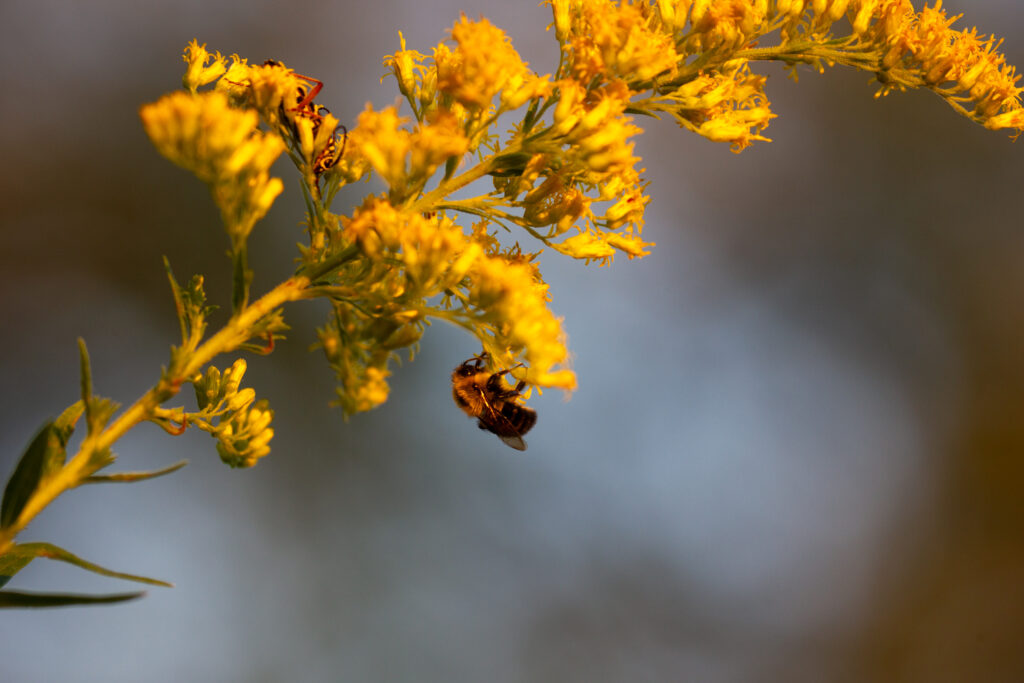
On recent nights, temperatures have been dipping into the fifties, even the forties. When morning comes, I take my dog out into the chilly air and walk along the patch of prairie plants in my backyard. It’s a wild-looking hodgepodge of black-eyed Susans, coneflowers, milkweeds, mints, and wingstems. Insects abound there.
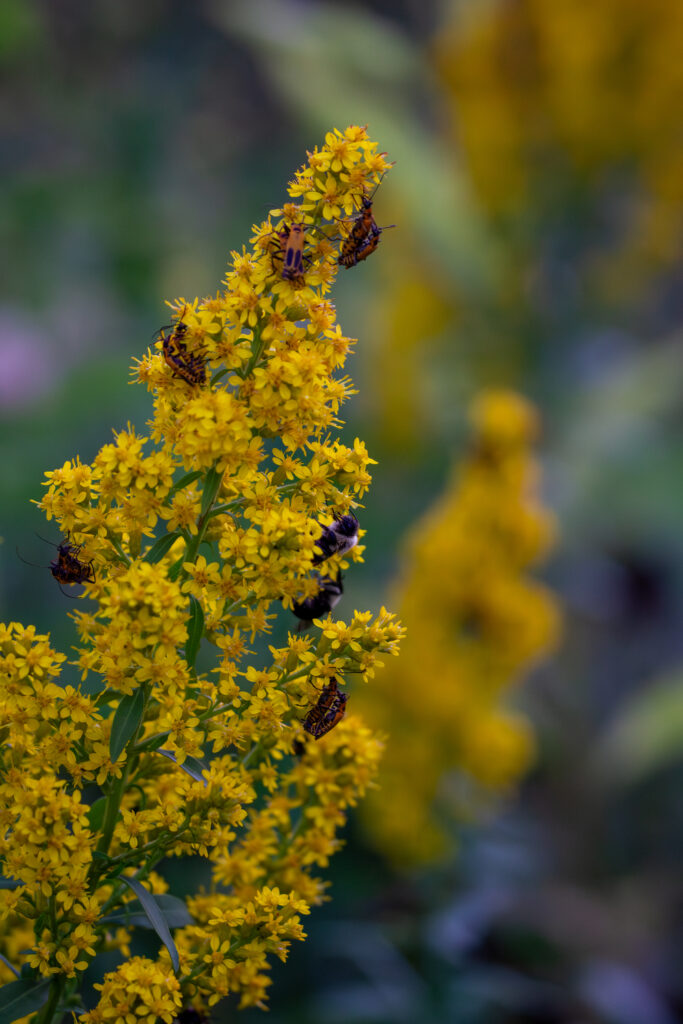
All throughout the summer, I’ve loved strolling past the flowers, watching butterflies, bees, and jewel-toned wasps. Most of my flowers have faded, but one is blazing its brightest right now: the goldenrod. These striking plants are shaped like torches, with tiny, vivid gold flowers clustered at the tips. Goldenrods add flair to the autumn landscape, especially where whole fields are covered in them and the earth itself seems to glow.
My own backyard is still in the beginning stages. I only have a few stands of goldenrod, but every year they grow a little more. Every year, more plants sprout, and every autumn, my yard holds a little more beauty.
Much as I love the goldenrod, though, I didn’t really plant it for myself: I planted it for my six-legged neighbors. Late-season blooms are vital to insects, who have fewer nectar sources as summer turns to fall. Every morning, when I check the plants, I find dozens of bees sleeping among the flowers. It’s a convenient resting place. As the sun rises and the day warms, they don’t have far to travel to gather nectar and pollen. The goldenrod flowers are a regular bee bed and breakfast
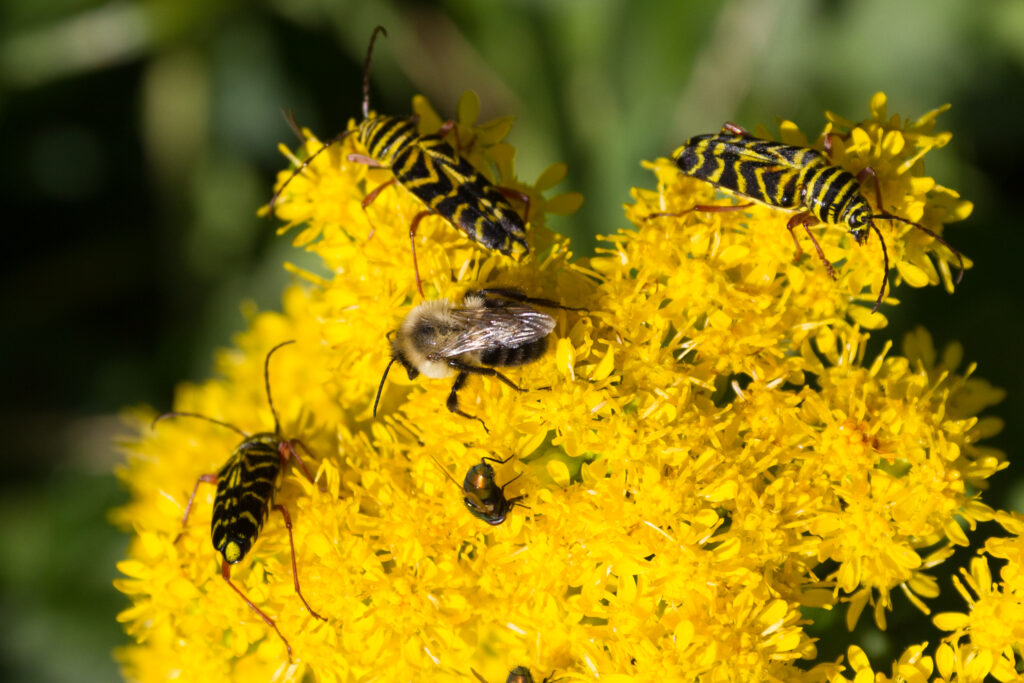
Bees aren’t the only insects to take advantage of this shelter. Resting alongside the bees are delicate orange soldier beetles and stunning locust borer beetles. While both types of beetles have similar colors and long antennae, the locust borer beetles are larger and wear vivid black-and-gold stripes. I’ve never seen these exquisite creatures except on goldenrod blossoms, which makes the late summer weeks all the more precious to me. I’m delighted that our yard can play host to them, even for a short while.
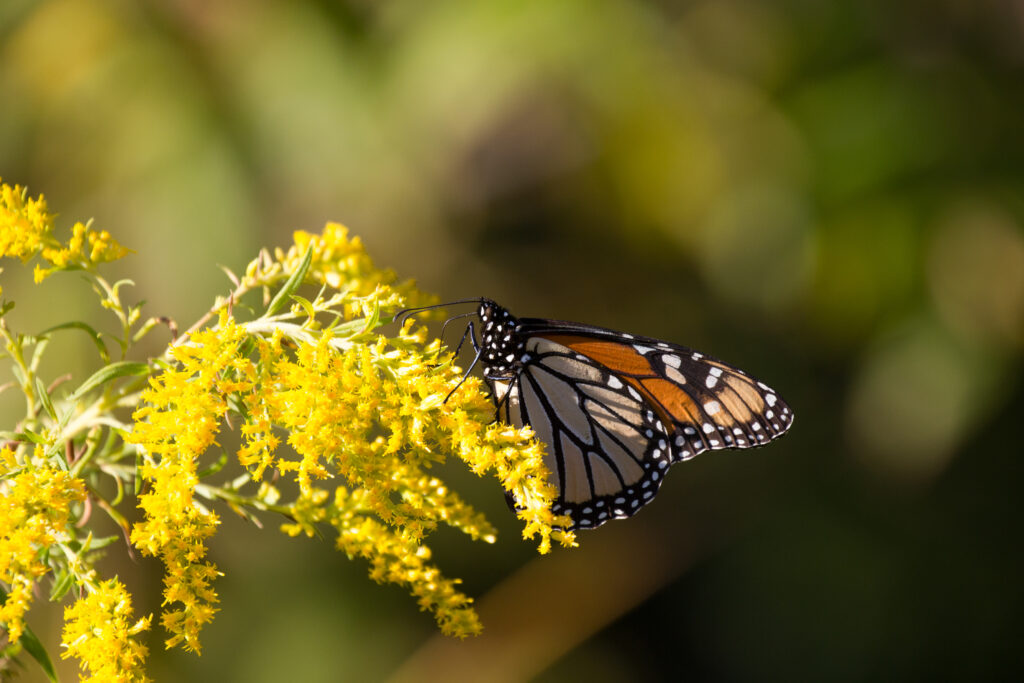
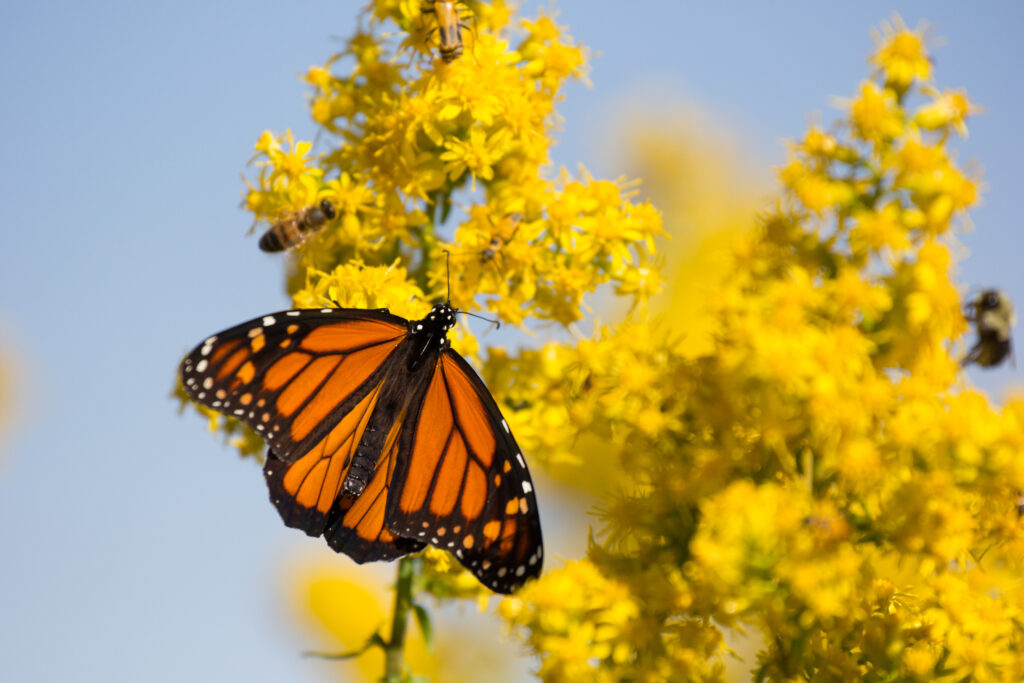
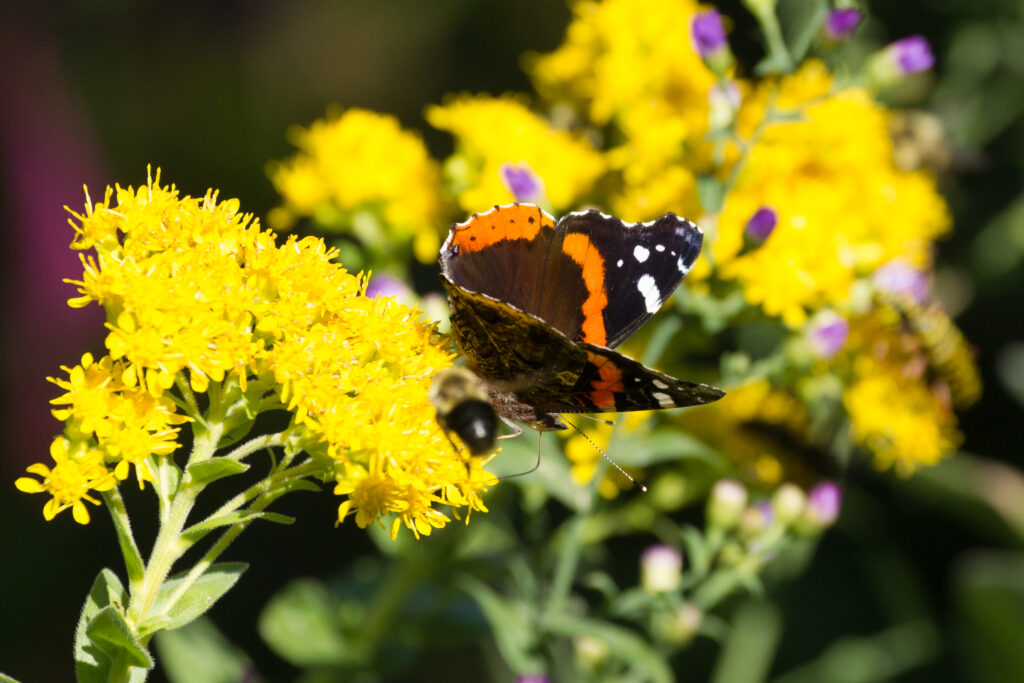
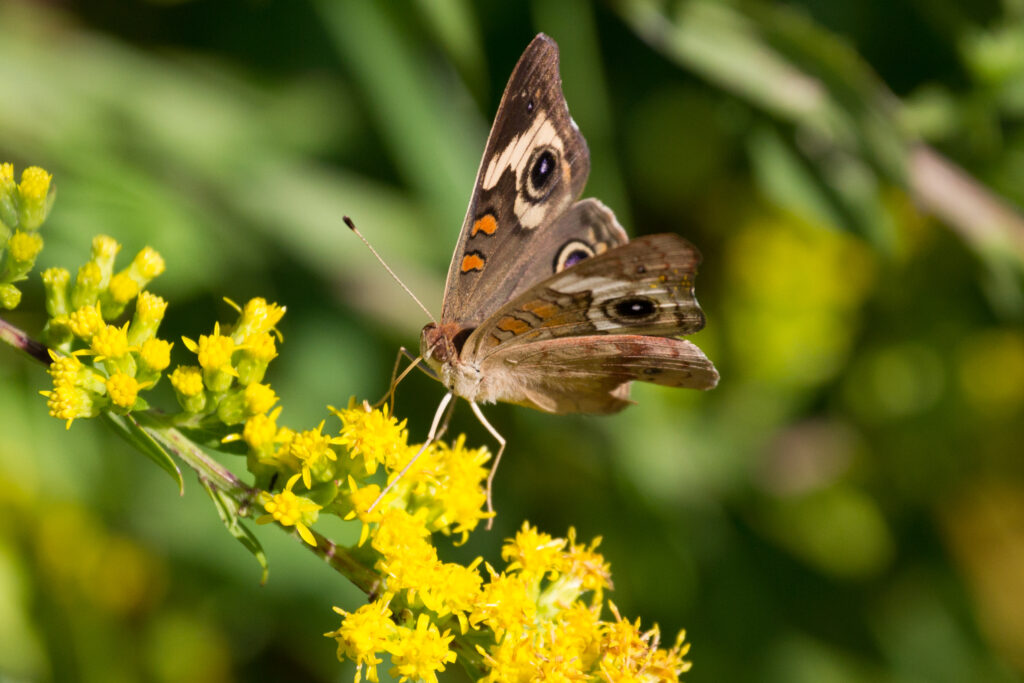
One of the most beloved insects of all, the monarch butterfly, also relies on goldenrod. It’s unforgettable, watching their vibrant orange wings fluttering against equally vibrant gold flowers. Monarchs visit goldenrod blooms to fuel up for their long migratory flight to Mexico. Without goldenrod, asters, and other late-blooming flowers, the incredible 3,000-mile journey of these iconic butterflies would not be possible. Other stunning butterflies, such as red admirals and common buckeyes, may not be as famous as monarchs, but they too depend on late summer flowers such as goldenrod.
All these insects—the butterflies, bees, beetles, and others—need help from us. Their world is growing smaller and more dangerous, as they lose habitat and face new pesticides. Every bit of native planting helps them, at least a little. When my husband Marc and I moved to our house several years ago, there were no goldenrod or any other prairie plants. We didn’t see that much insect life. Now, we see more individuals and a greater diversity of species. I like to think that I’m giving a little something back to them, for all the joy they bring to me.
Even after chill weather sets in and the goldenrod flowers fade, birds will eat their seeds, spreading some as they flit about the plants for shelter. They will help set the stage for next year’s growth and the eventual flare of new goldenrod flowers. And when that happens, I’ll be watching for all the little creatures that make the autumn world such a beautiful place.