Wherever we live, our hometown of Kewanee included, there is a battle taking place for the soul of our country.
Abraham Lincoln spoke in Kewanee in 1858 during his failed campaign for the Senate. If Lincoln were to speak in Kewanee today, he surely would have something to say about the current struggle. After all, he presided over the United States during the greatest divide our nation had ever faced.
What would Lincoln tell us today?
Twenty-one years earlier, in 1837, our state’s adopted favorite son spoke words that were prescient then and extraordinarily relevant today. Perhaps those words can give us guidance in how to view the turmoil we face in 2025, 188 years later.
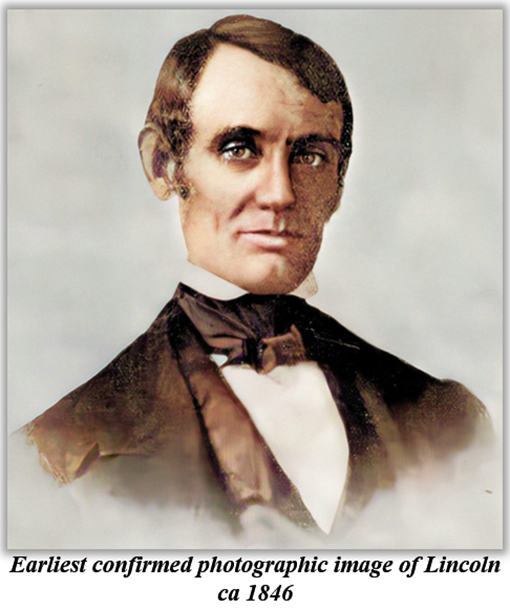
At the time, Lincoln was an Illinois state representative from the Whig Party, whose members included many of the founders of the Wethersfield Colony, including John F. Willard, Zenias Hotchkiss, and Henry G. Little (the latter became a friend of Lincoln). Lincoln was 28 years-old, unmarried, and still renting a room above a Springfield store.
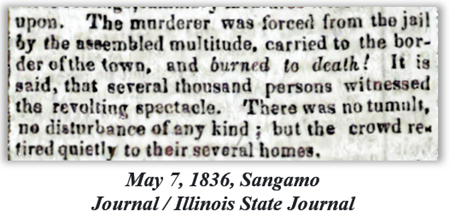
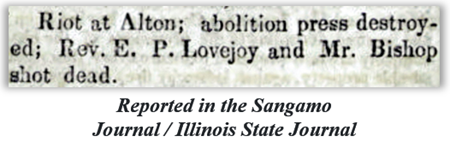
On January 27, 1837, Lincoln spoke before the Young Men’s Lyceum of Springfield. Two years earlier, a St. Louis mob had burned to death a Black man accused of an alleged crime. Then, in late 1837, Alton abolitionist newspaper publisher Elijah P. Lovejoy had been murdered for his views. Those and other horrific events of violent hordes were the backdrop for Lincoln’s comments on mob violence, the rule of law, and the possible coming of a new “Caesar” more than willing to overthrow democratic institutions to achieve his own personal ends.
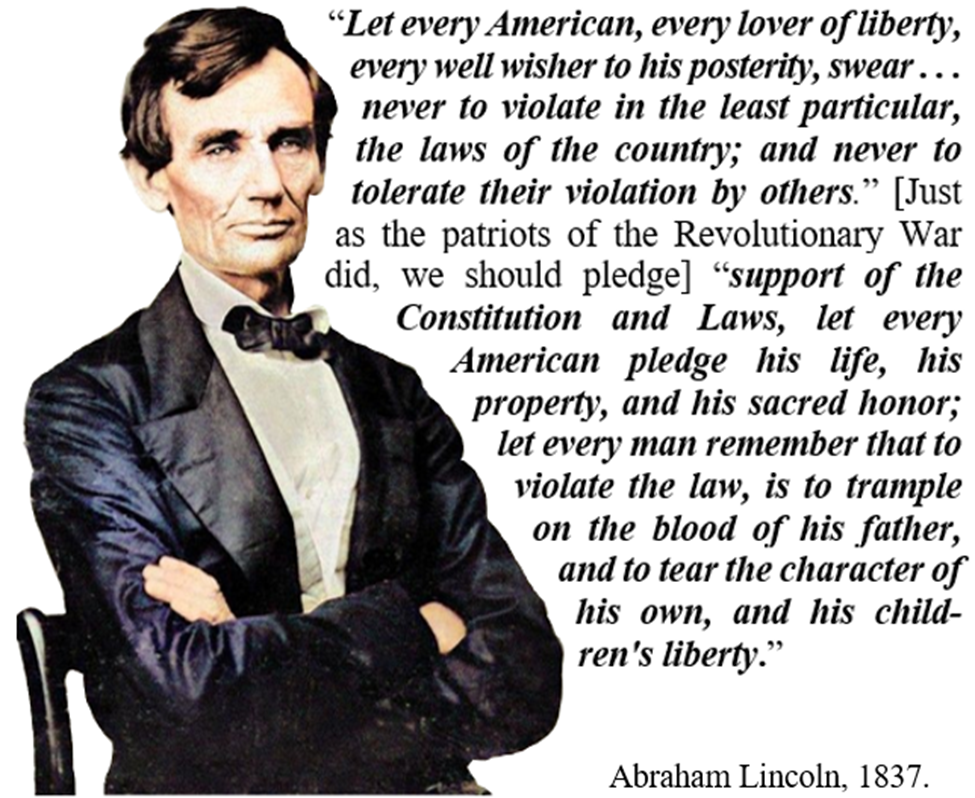
Lincoln began his speech by counting the nation’s blessings. The “American People [are] in the peaceful possession, of the fairest portion of the earth.” The country also operated “under . . . a system of political institutions” more conducive to civil and religious liberty than any other in history.
The people are “the legal inheritors of these fundamental blessings.”
Lincoln greatly admired the “hardy, brave, and patriotic” Founding Fathers who built an unparalleled “political edifice of liberty and equal rights,” and believed that it is our “duty to posterity . . .” to faithfully protect the edifice.
But Lincoln then spoke to the danger that might interfere with that duty.
He first discounted foreign interference as a threat. Rather, Lincoln said that, “if it ever reach us, it must spring up amongst us . . . .”
Lincoln feared an “ill-omen, amongst us. . . . [T]he increasing disregard for law which pervades the country; the growing disposition to substitute the wild and furious passions, in lieu of the sober judgment of Courts; and the . . . savage mobs” for the meting out of punishment in lieu of justice.
Moreover, “the lawless in spirit, are encouraged to become lawless in practice . . . Having ever regarded Government as their deadliest bane, they make a jubilee of the suspension of its operations; and pray for nothing so much as its total annihilation.”
Lincoln then predicted that “some man possessed of the loftiest genius, coupled with ambition sufficient to push it to its utmost stretch, will at some time, spring up among us.” That man’s goal would not be to build upon the edifice of liberty, but “he would set boldly to the task of pulling it down.”
Lincoln warned that passion can become our enemy, used to incite. Therefore, he advised, we must rely on “[r]eason, cold, calculating, unimpassioned reason . . . and in particular, a reverence for the constitution and laws.”
Earlier, I asked you what you think Lincoln would say about the conditions in which our country finds itself in today. Are they what Lincoln feared the most?
Ø Is there a “Caesar” among us today, a man of self-purported genius, coupled with ambition sufficient to push it to its utmost, a man whose goal is not to build upon the edifice of liberty, but to set to the task of pulling the edifice down?
Ø Is there a man with disregard for the law pushing to substitute the wild and furious passions, in lieu of the sober judgment of Courts, using the savage mobs in lieu of justice?
Ø Is there a man reaching out to the lawless in spirit, encouraging them to become lawless in practice?
Ø Is there a man regarding the government as his deadliest bane, seeking the suspension of its operations?
Ø Is there a man praying for nothing so much as the government’s total annihilation?
I can only answer the question for myself. It’s up to each of you to look closely at Lincoln’s words from 1837 and apply them to the events occurring within our country today, and then answer it for yourself.
It’s important, because the future of our country may be at stake.
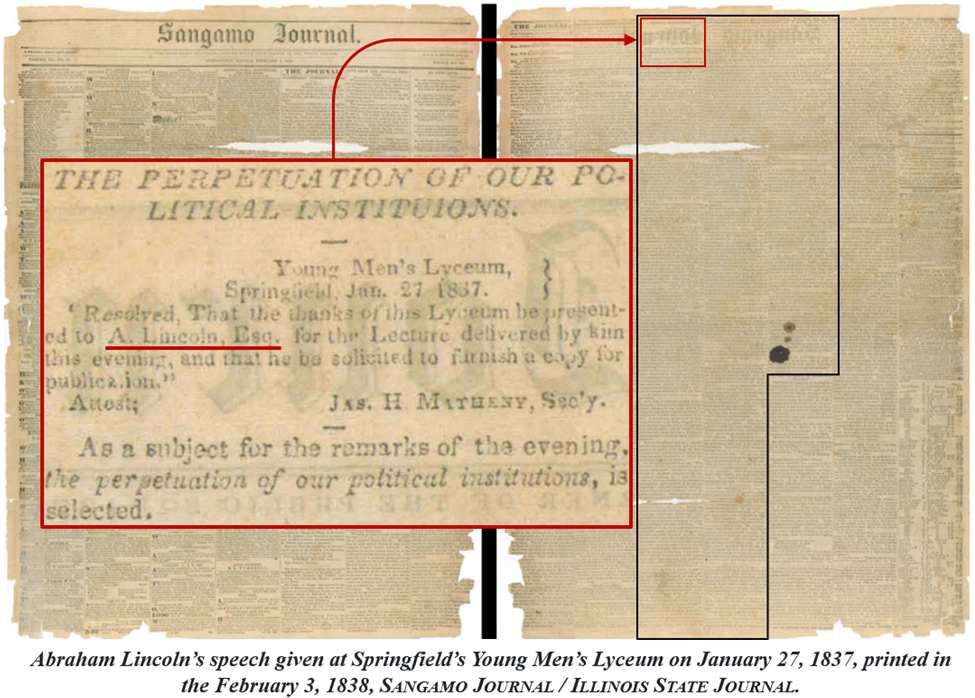
(You can read Lincoln’s full speech yourself by clicking here.)
Author’s note: The opinions expressed in this article are solely those of the author and do not reflect the views or opinions of The Kewanee Voice.