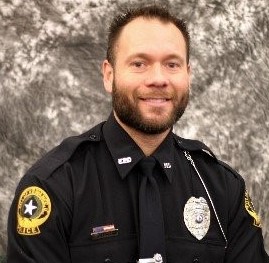
It’s been one year since the death of Kewanee Police Sgt. James Mock, a tragedy that shook both the community and Kewanee first responders.
In the wake of that loss, the Kewanee Police Department has reevaluated its approach to officer wellness, implementing key changes aimed at supporting the mental health of those who serve.
“We sent personnel to Peer Support training through The Vigilant Group and began offering additional services through 1041 Inc., a dedicated public safety wellness organization. We also continue to support our team through our Chaplain program, and our insurance plan covers mental health-related therapy and counseling,” said Police Chief Stephen Kijanowski.
The KPD has also introduced two new wellness resources, the Vigilant Group and the 1041 Inc.
“These programs offer peer support, confidential counseling and wellness services specifically tailored for first responders, including both officers and telecommunicators,” Kijanowski said.

Sgt. Mock was 35 when he died on Sunday, June 2, 2024. A graduate of Stark County High School and a Coast Guard veteran, he joined the police department and attained the rank of sergeant in 2023. Mock was a detective with the department and involved with the department’s DAART (Drug and Alcohol Response Team), an effort to get to the root causes of crime, which are often drug and alcohol addiction and mental health issues.
Mock was a member of the First Christian Church in Kewanee and enjoyed outdoor activities like farming, fishing and kayaking.
Kijanowski said Sgt. Mock’s memory remains a meaningful part of the department.
“We often reflect on the good times we shared with him, and we’ve established the Detective Sergeant James Ramon Mock Scholarship, a $500 award granted to a student from each of our two local high schools. The scholarship is awarded to students pursuing careers in first response or nursing—fields Sgt. Mock deeply respected,” the Chief said.
In addition to the scholarship, Kijanowski said that Sgt. Mock’s legacy continues through their ongoing conversations about wellness.
“His passing has helped bring attention to the importance of mental health support for all personnel, and several of our newer initiatives were launched in direct response to that loss,” he said.
According to a study released last year, about 184 law enforcement officers die by suicide each year.
Kijanowski said that Sgt. Mock’s death has provided important lessons for the department including the need to recognize signs of emotional distress early.
“We’ve come to understand that regular check-ins, peer support and fostering an open, judgment-free culture can make a difference. This tragedy underscored the importance of proactively supporting both officers and telecommunicators before a crisis occurs,” said Kijanowski.
In addition to new partnerships with The Vigilant Group and 1041 Inc., the department’s policies and collective bargaining agreements outline how mental health concerns are addressed, the Chief said.
“We ensure that both officers and telecommunicators are aware of available resources and feel empowered to use them. Our approach continues to evolve to meet the emotional and psychological needs of everyone in our department.”
Kijanowski said that while stigma around mental health may still exist at some law enforcement agencies, departments like the KPD and others across the state are becoming more progressive in addressing it.
“We actively encourage both officers and telecommunicators to seek therapy or wellness services when needed. A counselor we’ve worked with shared that some personnel from other departments are hesitant to use their insurance for mental health services, fearing their employer might find out,” he said.
At KPD, it’s made clear that seeking help is both confidential and strongly supported. Beginning in July, the department’s insurance will fully cover mental health services under new state law—another step in making care more accessible.
Officers are also encouraged to seek help without fear of judgement or repercussions, he said.
“We make it very clear to all staff—both officers and telecommunicators—that their mental health matters and they will never be penalized for seeking support. Our personnel deal with incidents and trauma that most people may never experience, and they deserve every tool available to help them manage those challenges.”
Peer support-trained personnel, a chaplain program and partnerships with external providers like 1041 Inc., which offers crisis and wellness support tailored for first responders are readily available as are counseling and therapy covered under the department’s insurance plan.
Steps such as these have assured that Sgt. Mock’s death was not in vain and provided more tools and resources for other officers who may be struggling with mental health issues, but Kijanowski said community support is incredibly valuable for the mental health of first responders.
“Events like the recent Encounter First Responder Appreciation gathering go a long way in showing both officers and telecommunicators that they’re seen and appreciated. Simply acknowledging their work, advocating for resources and supporting wellness initiatives can have a positive impact,” he said.
Community members can help by advocating for mental health awareness, promoting supportive legislation and reducing stigma through open and honest conversations, said Kijanowski.
“Their involvement shows our officers and telecommunicators that the community stands behind their well-being.”