***This is part one of a two-part series examining the struggles Kewanee organizations and committees face as volunteerism declines.
Ask area organizations and committees and they’ll tell you, the community’s response to requests for assistance isn’t as enthusiastic as it once was.
And that lack of spirit of volunteerism in Kewanee has become a problem among various clubs, committees and organizations, especially nonprofits. As participation drops and volunteers age, the continuity and success of many local organizations that benefit the community are at risk.
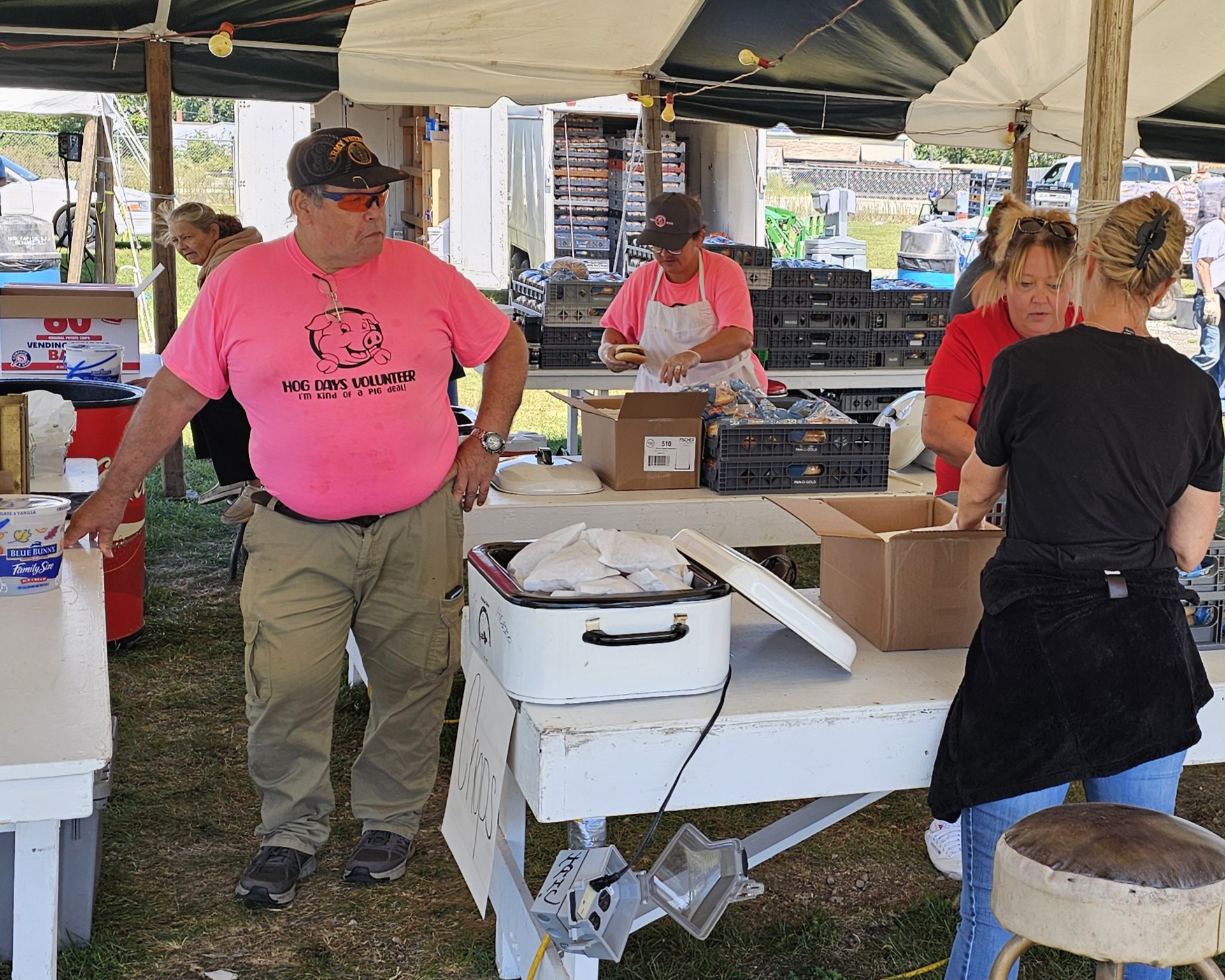
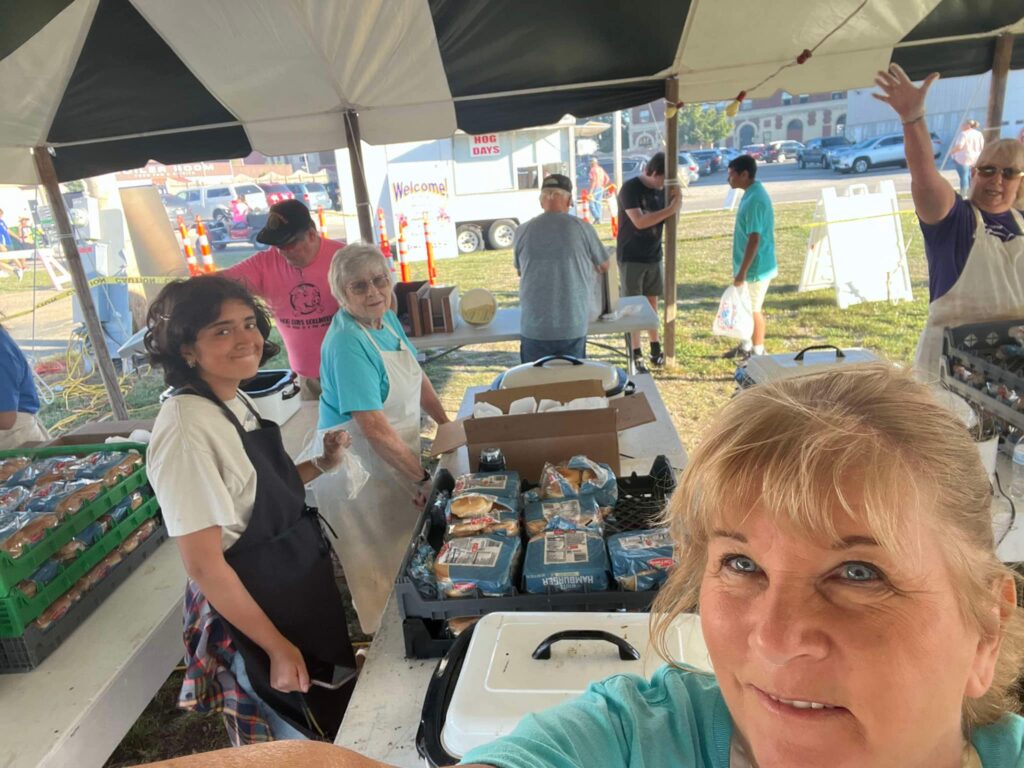
Larry Flannery, long-time committee member with Kewanee Hog Days, said the issue of volunteerism, or lack of, has been a topic of discussion among his fellow members.
“Several years ago, after much discussion and group ‘soul searching’ we came to the conclusion that Hog Days belongs to the community,” he said. “Those of us on the committee are merely the caretakers of it.”
The community, Flannery said, and its citizens are the ones who will either keep it alive or let it die through their involvement with the festival either in an organizational way or through financial support such as buying pork chops or taking carnival rides.
“As the current members of Hog Days get older and slowly are either passing away or not able to put forth the time and effort it takes to put on Hog Days, it is concerning but also, in a way, not,” said Flannery.
Flannery said the committee is constantly promoting and asking, whether by individual members reaching out or through social media, or through the news media, for people to step forward.
“But if they don’t, we feel like we’ve tried our best and kept it alive during our time,” he said.
According to the NonProfit Times, a publication geared towards nonprofit leadership, volunteer engagement is critical for advancing the work of nonprofits as they struggle to take on increased demand with reduced staffing.
The Chronicle of Philanthropy cites a post-pandemic report released in 2023 by AmeriCorps and the U.S. Census Bureau that showed that “a smaller share of the American population is volunteering now than it did two decades ago and devoting fewer hours to such activities.”
While part of the lack of volunteerism can be traced to the pandemic, “the larger issues at play were decades in the making.”
“From September 2020 to 2021, less than one-quarter of Americans age[d] 16 and older volunteered for an organization or association, according to the survey. That’s down from 30 percent in 2019 and from 27.6 percent 20 years earlier,” when the survey, the first official count of volunteering in the U.S., was conducted.

Flannery said the golden era of the Hog Days Committee existed in the 1960s. Back then, active membership numbered in the 40s. Just a decade or two later, the committee numbers dwindled to 25-30, according to meeting notes. Today, a little over a dozen people put on the festival that brings thousands of visitors and their money to Kewanee.
“Another piece of the conundrum is people don’t mind being the ‘white collar’ inputters of Hog Days but, to put on a four-day festival that attracts thousands of people, takes a lot of plain old ‘blue collar’ sweat and muscle. Most people aren’t interested in that and most of our members are getting too old to do that physical work,” said Flannery.
Dianne Packee is well-known in the community for her volunteer work and the list of committees, boards and events, of which she takes part, is extensive.
A member of the Rotary Club and board, Packee began working with Russell Medley in 2011 to bring the Walldogs and murals to Kewanee.
“Dennie and I were co-hosts in 2013 for the Kewanee Walldog event,” she said. “We had several committees that were formed to put on this event,” and included topics such as housing, entertainment, food, logistics, fundraising, recycling and advertising. The event required the whole community to be behind it, she said.
The Walldog event birthed the Prairie Chicken Arts Festival, which she co-chairs with Deirdre Scott. Packee also joined with the Enchanted Pumpkin Festival and now plays an active role on the Windmont Park Lighting Committee, which illuminates the park each year and draws visitors to town through the month of December.
Packee originally was part of taking down the park lights each year and worked alongside Bob Neirynck, but after he passed away, his son Terry Neirynck, talked her into taking on more responsibility.
“For the record, I did turn him down at first. I loved his Dad and the park too much so the next time he came around, he got me,” she said. “Again this beautiful park wouldn’t happen if not for the volunteers and I didn’t want to see that happen.”
Back when Bob Neirynck was at the helm, the lighting crew struggled to find volunteers able to work during the day and frequent calls were put out to try to get more help.
In 2024, Packee said she was approached by groups wanting to bring students aboard for service hours, but the timing wasn’t good.
“I have done this in the past. This was not a good year for us,” because of the storm damage to the park from the tornados that hit town in July, “and all the electrical problems we had. We weren’t totally sure everything would light up till that night,” said Packee.

A big concern is that inexperienced, one-time volunteers lack the knowledge of where everything goes and how to get power to it. The volunteers who have that knowledge only work daytime hours Monday through Friday.
Like the Hog Days Festival Committee, Windmont lighting crew has been able to attract dedicated volunteers, some that have been with the crew for over 20 years.
“Most of the people are pushing 70, and I am 68 and one of the youngsters. I could get some more help on weekends with younger people but don’t want to step on the toes of the brains of the operation,” she said.
The ages of volunteers for the Prairie Chicken Festival, an event she helped found, are between 40s and mid-60s, she said.
New volunteers have recently joined and have been a tremendous help, Packee said, and include Liz Kegebein, an art teacher at Wethersfield and Angie Cernovich, “with her abundance of energy.”
“We lost key figures due to health and new babies,” said Packee, but they could always use more people. “It’s a great way to meet others.”
Aging membership isn’t just an issue for volunteer committees but also for local clubs and organizations that provide needed services to the community.
Jerry Thompson, finance officer for both the American Legion and the Kewanee Veterans Council, said the average age for the KVC firing squad is somewhere in the mid-70s range.
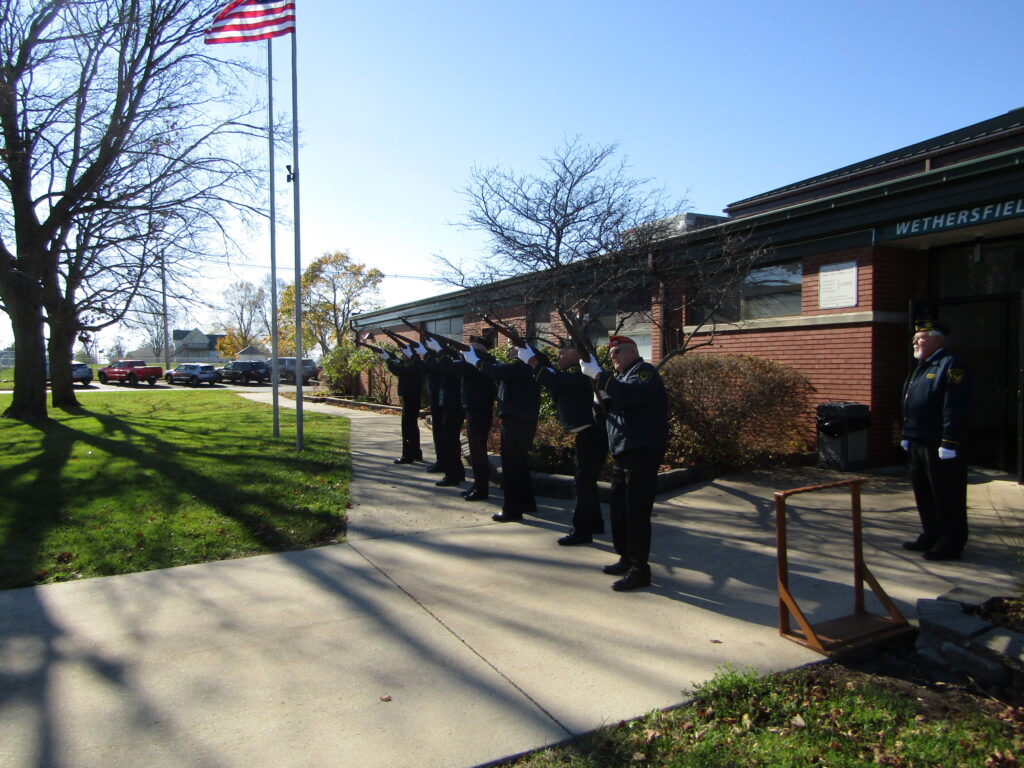
In addition to participating in services for both Memorial Day and Veterans Day, the KVC performs military rites for dozens of veteran funerals during the year. Thompson said because of the advanced years of some of the members, funeral times and days have had to be limited to ensure that members are available.
“We can’t get everybody we need for funerals,” he said.
A recent move from the roomy, sprawling facility on Railroad Avenue to a smaller building in downtown Kewanee speaks to the diminishing membership of the American Legion over the years.
“Membership at one time was about 250 to 300, when I took over. It’s down to 170,” said Thompson.
And while eight new members did join last year, the new membership just replaces those members who are lost.
“We had seven deaths of members in the last two months, and lost 25 paying members in the last two years due to death,” he said.
Thompson said the Legion uses word of mouth and personal invitations to attract new membership but they don’t hold an official membership drive.
Flannery said the Hog Days Committee has worked to actively recruit volunteers on the group’s social media page and they often speak before community service organizations.
“So far that has resulted in three ‘newer’ members on the committee, all in their late 30s or 40s or 50s,” he said. The younger volunteers have brought the average age of the committee, with the oldest members 85 or older to approximately 67.6 years old.
At the food pantry, senior volunteers have an advantage, said Lisa Janey, who has been the director of the Kewanee Food Pantry for the last 11 years.
For her, seeking younger volunteers isn’t exactly the silver bullet. It’s a Catch-22 since seniors have more time and the availability required for the food pantry, which is open in the mornings on Tuesdays and afternoons on Thursdays. But the work, she said, is difficult and requires heavy lifting.
“I don’t think any person actually really understands the work that goes into the food pantry,” said Janey. “There’s a lot of work and it requires a lot of people.”
Many of her volunteers are seniors, aged 50 and up. A few of them in their 80s, who have volunteered for decades, know the job inside and out. Often they get younger volunteers but they are usually temporary workers for a day or two, with many of them working for service hours or even court-ordered community service.
Gary Montooth answered a social media call put out by the food pantry asking for volunteers. Montooth was the only person to show up to help, he said.
“I’m one of the younger ones. I will be 74 next week,” he said.
Montooth, a Kewanee Kiwanis Club member, said the food pantry, which feeds more than 500 families a month, has about a half a dozen volunteers that they can really count on, especially during the weekday morning and afternoon hours.
“Most people are at work,” he said, although on Thursday afternoons, members of the high school Key Club often drop by to lend a hand.
Janey said her long-time volunteers are the backbone of the pantry.
“The ones we have and get are absolutely wonderful,” she said, praising the Kewanee community for their generosity. But even as she eyes her own retirement one day, she worries about who would step up to fill her shoes.
Nichelle Morey has the same concerns. Morey has been in the chair position for the Relay For Life for over 25 years. She, along with Amy Sternes, stepped up to take on the role because no one else would.
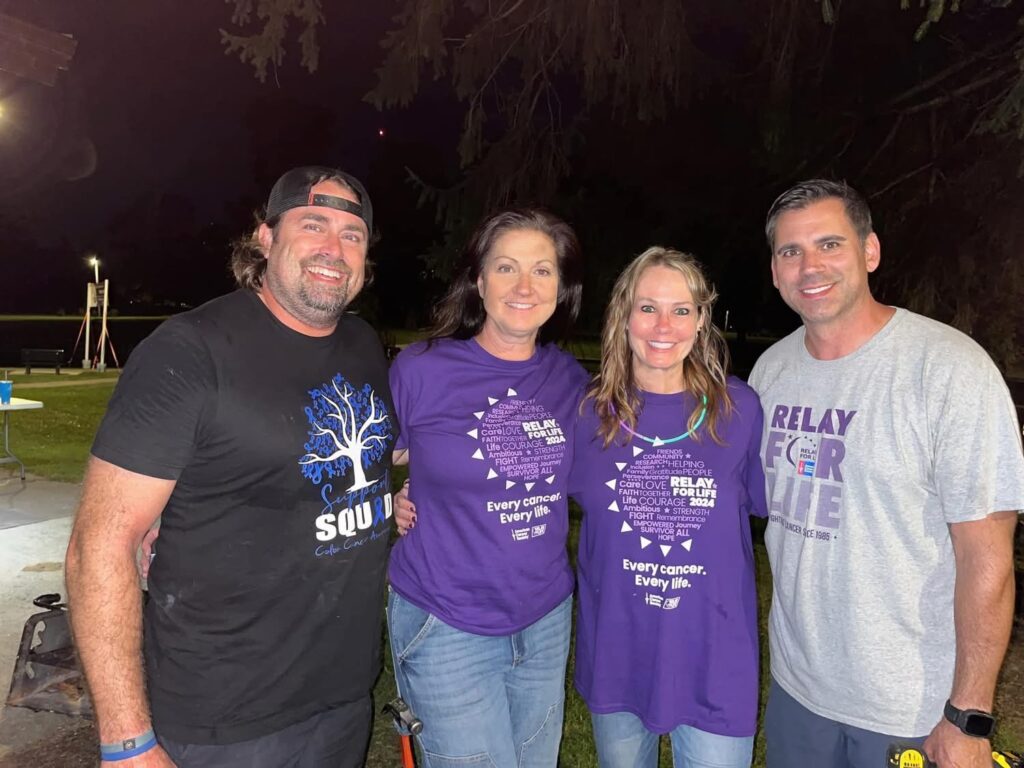
“We both were young and had a passion for the event,” said Morey. “Not only were we both cancer survivors at a young age, we both were starting our careers and wanting to get involved in our community.”
Both were very fortunate to be given second chances at life and they feel it’s their responsibility to keep the event going, Morey said. And 20-plus years later, they are still at the helm.
In addition to that responsibility, Morey is a commissioner on the Kewanee Park Board and sits on the board of directors for The Kewanee Voice. Turning over the reins of the Relay For Life event is a goal, but to whom?
“We have over 20 years experience running this…who is going to come in with the knowledge and passion we have for this and do the same job? We are willing to train, though,” she said.
The Relay For Life committee is also volunteer-based and each year it continues to attract fewer and fewer people and participants to the annual event, she said.
“At one time, we had over 50 teams involved in raising money for The Relay For Life. Last year, we had around 12 teams,” she said.
The national event, which raises millions of dollars annually for the American Cancer Society, depends entirely on volunteers and the current committee is devoted, she said. It’s made up of the same people who have stuck with them for the last two decades. A few new people come on each year and then others leave, but they have managed to average around five to 10 volunteers each year. “If we are lucky,” said Morey.
“Every year we put out a plea for volunteers and we do get a couple people who respond. And I will be honest, people have offered to help throughout the year, but then I don’t remember who all of the people were who said that at the time, then when the time comes around, we announce the meetings and no one shows up.”
That lack of help places burdens on their families, Morey said, and both she and Sternes often end up recruiting their close friends and family members for help.
On the night of the Relay, groups come out and help set up luminaries, light them and clean up, she said, groups like the Key Club and the World Festival Queens.
“But we would raise a lot more money if it was year-round volunteers,” Morey said.
Relay For Life centers on cancer survivors, and Morey feels that because of the prevalence of cancer in the community and the willingness of people to be more open publicly about the disease, people may have grown numb to it.
“When only a few people in the area were diagnosed with it, it was big news and everyone wanted to help,’ she said. “Also, there are now so many people having benefits and putting up GoFundMes that it almost becomes overwhelming to choose a place to volunteer or to donate money.”
And one frustration for her and other committee members is that people who come to the festival notice the lack of participation and the decrease in interest with comments such as, “Wow, it looks like the numbers are down this year,” she said, or they ask why there’s not as many teams as there used to be. People love to come and enjoy the event, but complain, said Morey, when it isn’t as successful or the same as when it first started.
Morey also worries that if the committee isn’t given an injection of younger, active members soon, it could cease to exist, and it wouldn’t be the first Relay For Life that went by the wayside.
“I know many of the area Relay For Life events no longer exist,” she said. “Even the area American Cancer Society offices no longer exist.”