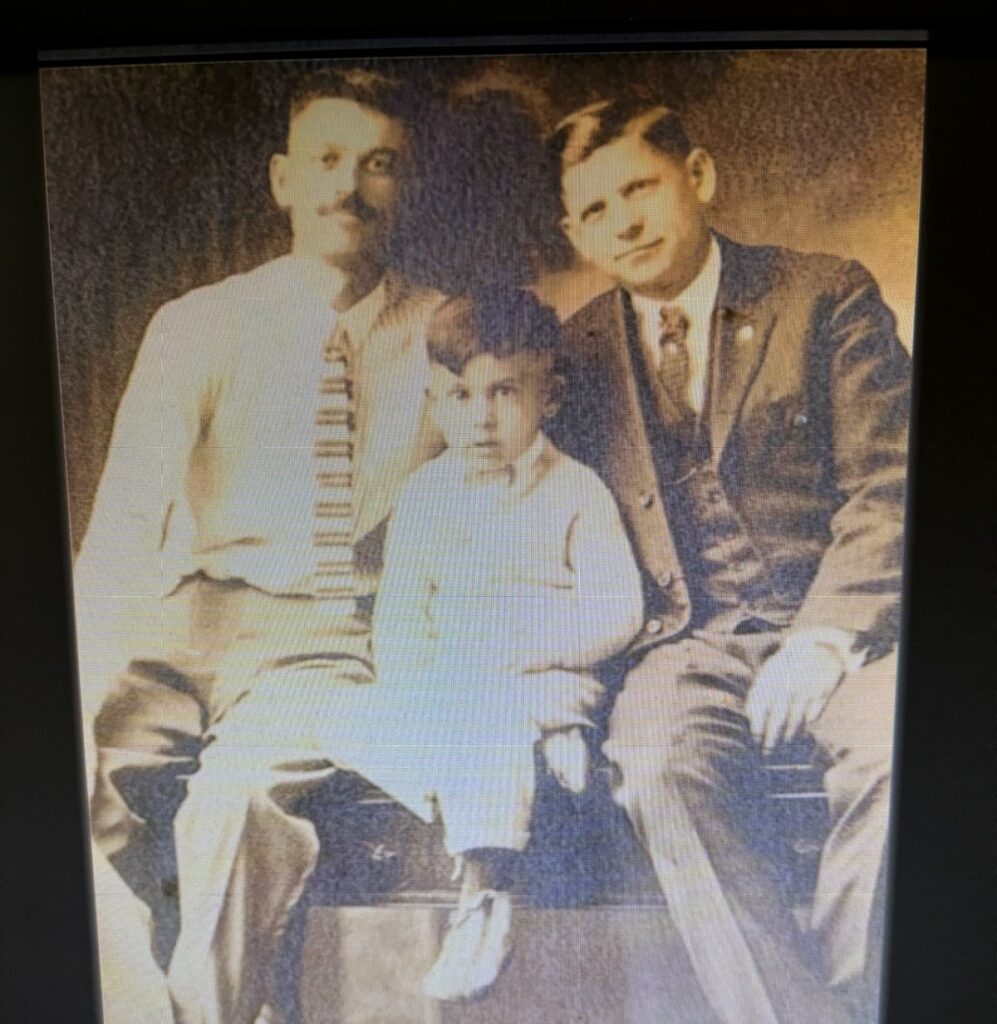
Kewanee’s Serbian descendants are gathering on Saturday, Oct. 25, at 10 a.m. for a special service in the Serbian section (northwest corner) of Pleasant View Cemetery.
Rev. Stavrophor Aleksandar Bugarin from St. George’s Orthodox Serbian Church in Joliet will officiate. He will provide a special blessing to the gravestones during his service.
According to Tim Pletkovich, who helped organize the event, many people from Slavic countries such as Serbia emigrated to the United States in the late 19th and early 20th centuries.
Leaving behind poverty and job shortages, Serbs sought a new life in America, where many found jobs in the Midwest. Farming, factory work and mining offered opportunities not available in their home country. Here, they established families and businesses that enhanced the towns and cities in which they lived.
It’s estimated that, nationwide, between 200,000 – 300,000 U.S. residents claim a Serbian or partial Serbian ancestry. At its peak, there were approximately 200 Serbs living in Kewanee.
Pletkovich, who graduated from high school in Geneseo, is the son of well-known Kewaneeans, John and Shirley Pletkovich. He started his career as a scout for the Chicago Cubs and later, a field reporter for the Red Sox at a Massachusetts radio station. He taught history and English in New York City and in Peoria for many years. He has authored several successful books on U.S. history.
His frequent trips to his ancestors’ home, Slozinci, a tiny village in Croatia, helped him keep in touch with many of his Serbian relatives. There, he meets with cousins and seeks out the history of family members buried in local cemeteries. Many of the headstones bear the same names as those found on the headstones in Kewanee.
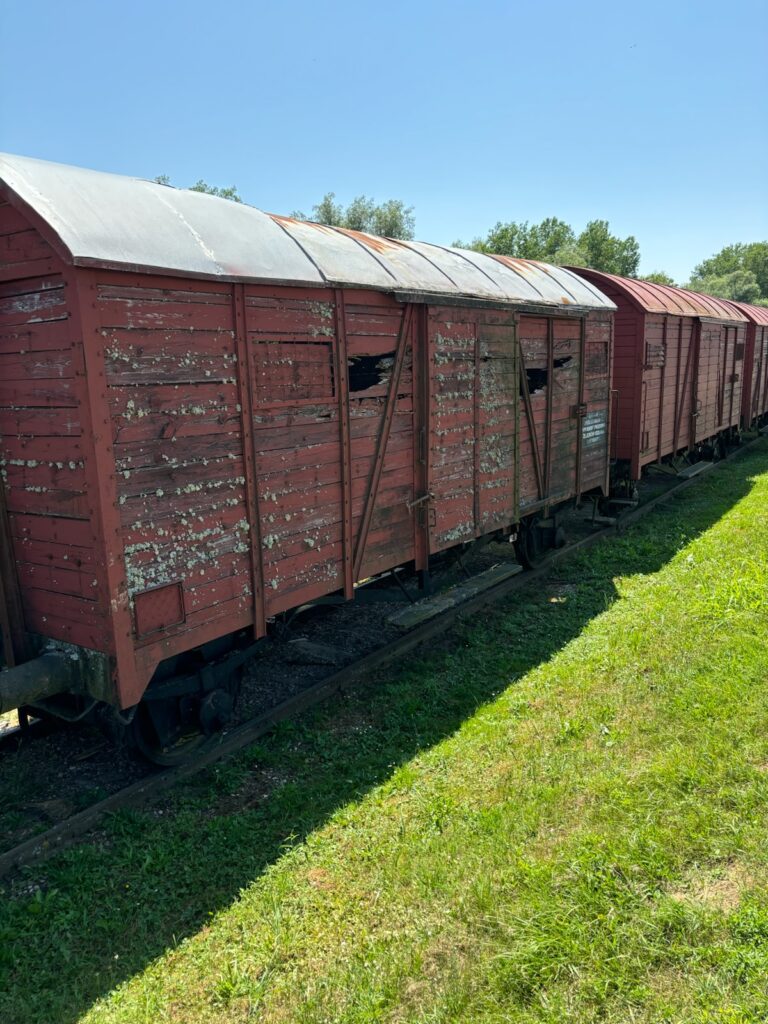
Sadly, many of their ancestors were killed by the Fascist Nazis and Croatians during WWII. Jasenovac, a concentration camp in that area, where many perished, was called the Auschwitz of the Balkans.
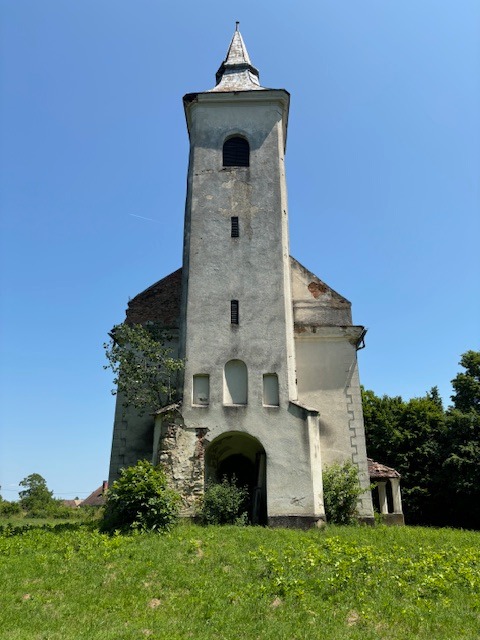
Of particular interest to Pletkovich is St. Nicholas Church, an Orthodox Serbian place of worship in nearby Gornja Meminski, which was built in 1783.
“It survived both world wars and the 1995 Croatian ethnic cleansing of the Serbian population,” Pletkovich said. “However, a huge earthquake in 2021 greatly damaged the structure, making it unsafe to use. The fact that it is an Orthodox church in a region with mixed ethnicities and religious communities adds to its historical significance.”
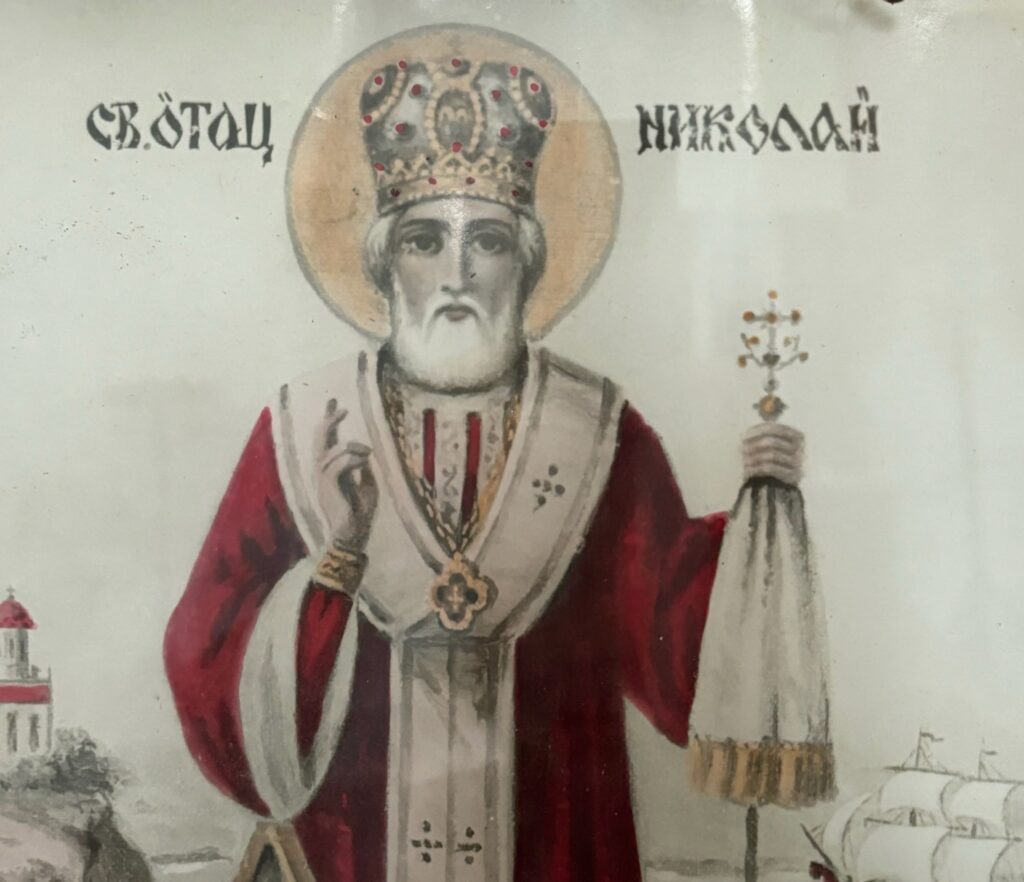
Pletkovich said that descendants in the U.S. are attempting to raise funds to repair the structure and return it to its former beauty.
Kewanee’s Serbian families have long had a special relationship with St. George’s.
“Many families used to take the train to Joliet every Sunday to worship there,” he said, and eventually they joined St. John’s Episcopal Church on Chestnut Street.
“Rev. Bugarin coming to see us is such an honor. The event recognizes the Serbian community that settled here and became an integral part of Kewanee,” said Pletkovich.
Those with Serbian heritage are encouraged to attend the special ceremony. However, anyone with an interest in Slavic history is welcome to attend.
***This copy has been edited to reflect the exact location of the service in Pleasant View Cemetery.