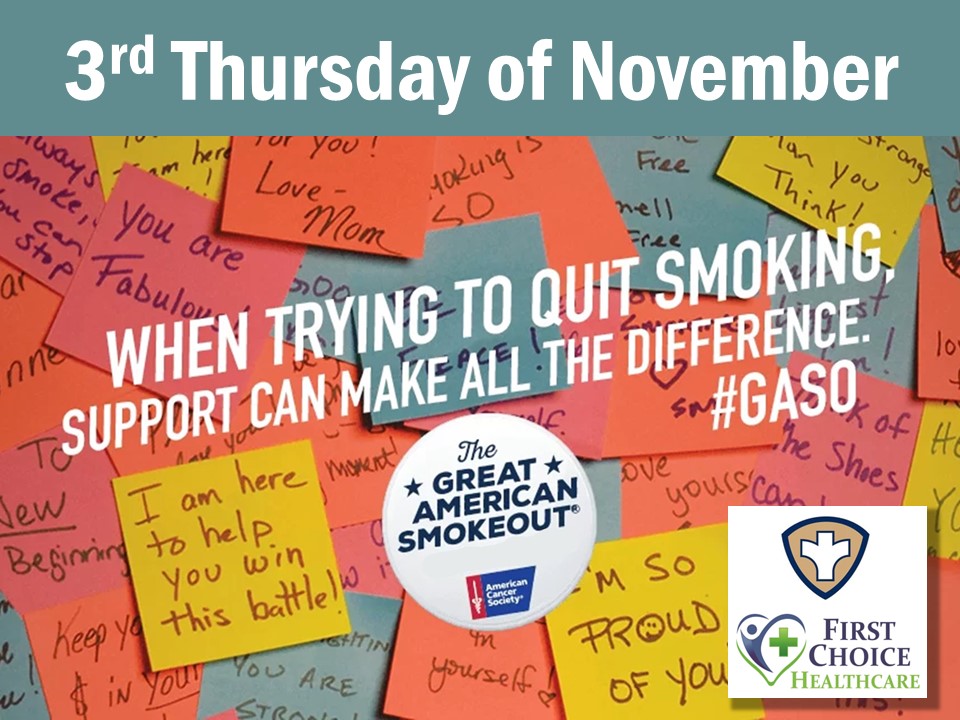
The Henry and Stark County Health Departments’ staff realize quitting smoking isn’t easy. It takes time. And a plan. You don’t have to stop smoking in one day. Start with day one. Let the Great American Smokeout-Thursday, Nov. 20 be your day to start your journey toward a smoke-free life. You’ll be joining thousands of people who smoke across the country in taking an important step toward a healthier life and reducing your cancer risk.

More than 34 million Americans still smoke cigarettes, and smoking remains the single largest preventable cause of death and illness in the world. Smoking causes an estimated 480,000 deaths every year, or about 1 in 5 deaths. And more than 16 million Americans live with a smoking-related disease.
Quitting smoking improves health immediately and over the long term – at any age. Stopping smoking is hard, but you can increase your chances of success with help. Getting help through counseling and medications doubles or even triples your chances of quitting successfully.
For more information about the Health Department’s Illinois Tobacco-Free activities, or for “No Smoking” signs or “window clings” for your business, call 309-852-0197, Extension 249.
The Environmental Health Division of the Henry and Stark County Health Departments notes that “1 in 6 Americans contract foodborne diseases every year, affecting more people than the common cold.”
But many of the symptoms of food poisoning mimic those of the garden-variety flu, sometimes leaving people to wonder if the cause was the food they ate or a virus they picked up along the way.
Despite the prevalence of foodborne illnesses, it can be hard to recognize them. Like people with the “stomach flu,” those with foodborne illness usually suffer from vomiting, diarrhea and abdominal pain. Rae Ann Tucker, director of Marketing with the Health Department said, “There’s no real easy way to distinguish between many types of foodborne illness and a flu bug, but with the flu, one might be more apt to see generalized aches and pains and just overall not feeling well.”
Foodborne illnesses are, by and large, illnesses that occur in close proximity to exposure. If a large number of people have the same symptoms at the same time, then the cause is most likely food poisoning. However, if people are ill at different times their symptoms are more likely to be flu-related, as it takes time to pass the virus from person to person.
Though most foodborne disease outbreaks don’t occur during the holidays – they occur most often in the summer, the holidays warrant special attention because certain foods and food practices popular during the season can increase the risk for foodborne illness.
The Health Department staff offers the following food safety suggestions:
– Clean: Wash hands and food -contact surfaces often. Bacteria can spread throughout the kitchen and get onto cutting boards, knives, sponges and countertops.
–Separate: Don’t cross-contaminate. Don’t let bacteria spread from one food product to another. This is especially true for raw meat, poultry and seafood. Experts caution to keep these foods and their juices away from ready-to-eat foods.
–Cook: Cook to proper temperatures. Foods are properly cooked when they are heated for a long enough time and at a high enough temperature to kill the harmful bacteria that cause foodborne illness.
–Chill: Refrigerate promptly. Public health officials advise consumers to refrigerate foods quickly because rapid cooling to 41 degrees slows the growth of harmful bacteria. Refrigerators should be set at 41 degrees Fahrenheit and the freezer at 0 degrees, and the accuracy of the settings should be checked occasionally with a thermometer.
“The holidays don’t always make it easy for food handlers to follow this advice. One reason is that people get caught up in the hectic pace of the holiday season. People get sloppy. They’re busy, and they lose the vigilance that they might follow at other times of the year. The traditional advice should always be applied: Keep hot foods hot and cold foods cold.” said Tucker.
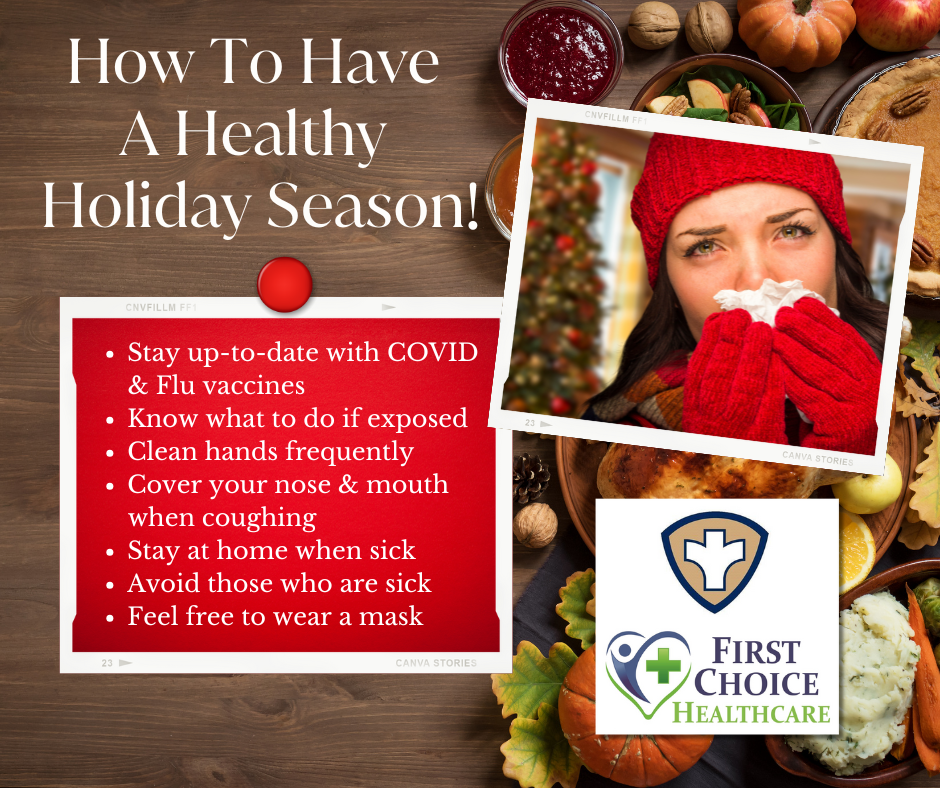
The Henry and Stark County Health Departments note it’s the time of year to look ahead to preventing sickness during this holiday and infectious season. It’s important to alert the public that Covid-19, flu, RSV and common cold infections will be and are already on the rise. The Health Department is offering some suggestions on how to help keep germs away during gatherings and activities and the infectious season.
Remember, it’s important to enjoy the season’s traditions in good health by taking steps to protect yourself and others from seasonal flu, COVID-19 and other infections:
And feel free to wear a mask The Henry and Stark County Health Departments and First Choice Healthcare remind local residents they have the Pfizer Updated Covid-19 shots for adults. Covid-19 shots are available by a “walk-in” basis Monday-Friday from 8 a.m.- 4 p.m. or by appointment at their Kewanee, Colona and Toulon clinics. Adults 18 years+ can get their flu vaccination on a “walk-in basis” – Monday through Friday 8 a.m.- 4 p.m. or by appointment; and children’s flu shots – 6 mos.+ are available by appointment at their clinic in Kewanee 309-852-5272, Colona Clinic 309-792-4011, or Toulon Clinic 309-852-3115.
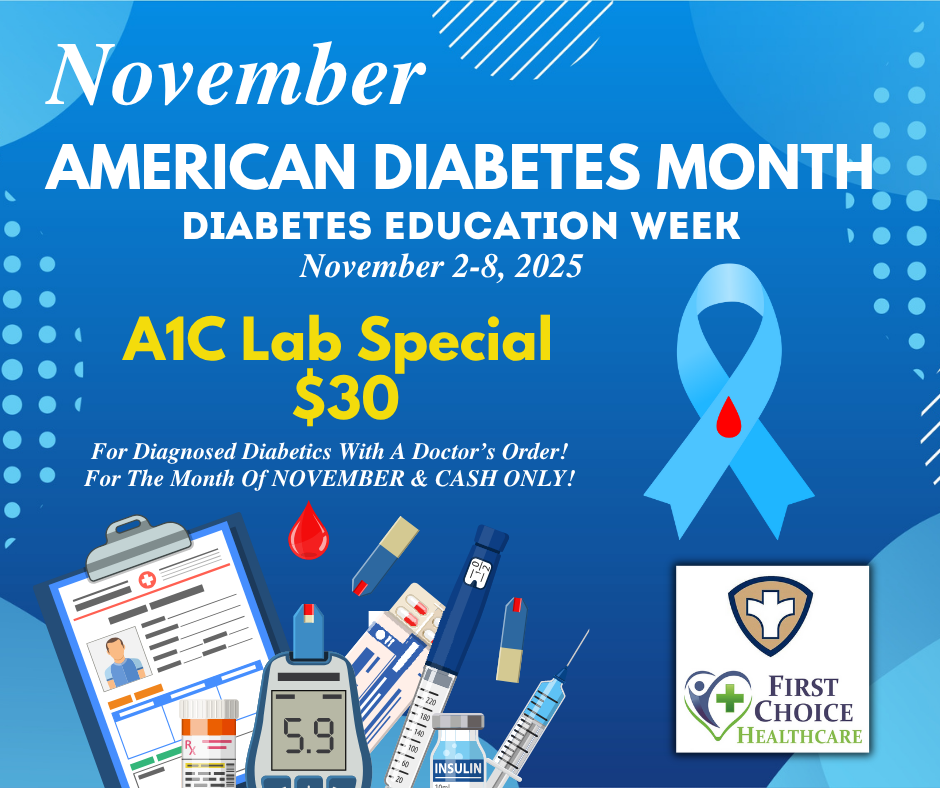
The Henry and Stark County Health Departments announce that November has been designated as National Diabetes Awareness Month. Nearly 26 million children and adults have diabetes and an additional 79 million are at-risk for developing Type 2 diabetes.
The Health Department and their First Choice Healthcare, along with the American Diabetes Association (ADA), want to raise awareness about the importance of knowing the risk factors and symptoms associated with diabetes; as well as its serious and life-threatening complications such as heart disease, stroke, blindness, kidney disease and amputation.
They are reminding area residents that their First Choice Healthcare family nurse practitioners can help with the management of non-Insulin dependent diabetes. And for diagnosed diabetics, the Department announces they will offer the Hemoglobin A1C blood test – for diagnosed diabetics with a doctor’s order at a special price of $30 for the month of November. Please note, this lab special is available on a “cash only” basis.
Testing is available through their clinics in Kewanee 309-852-5272; Colona 309-792-4011; and Toulon 309-852-3115.
If you are over age 45, talk with your health care provider about being tested for diabetes, especially if you are overweight or have family members with the condition.
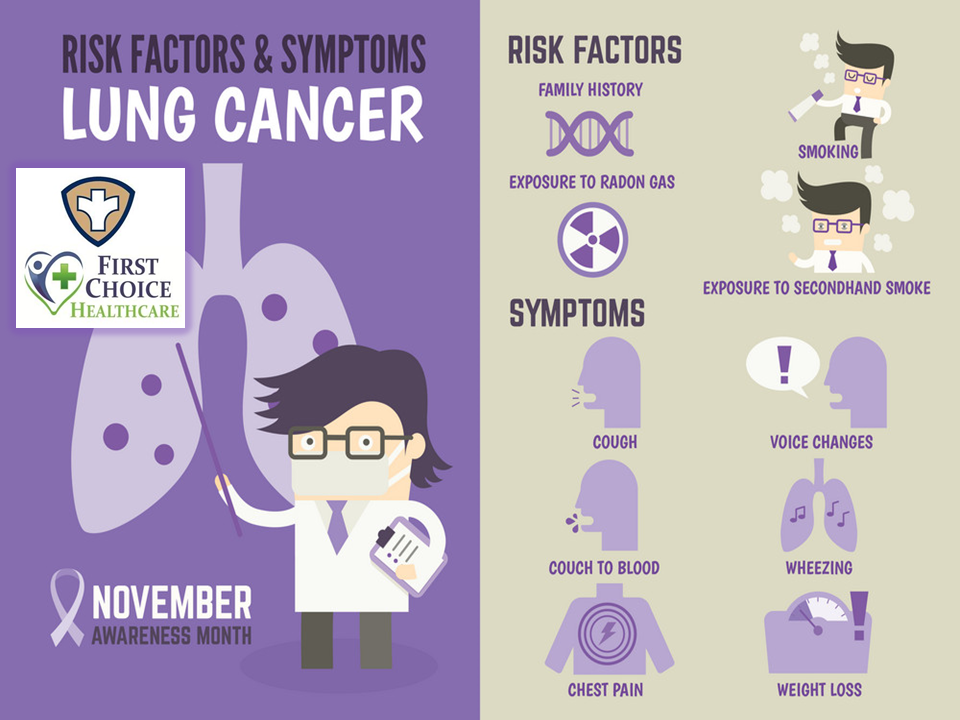
The Henry and Stark County Health Department notes November is Lung Cancer Awareness Month. Lung cancer is the most common cause of cancer death in the United States and worldwide. In fact, lung cancer is responsible for more deaths in this country than the next three most common causes of cancer death combined – colorectal cancer, breast cancer and pancreatic cancer.
Smoking is the most common cause of lung cancer. Other risk factors for lung cancer include being exposed to secondhand smoke, having a family history of lung cancer, being treated with radiation therapy to the breast or chest, exposure to asbestos, chromium, nickel, arsenic, soot, or tar in the workplace, and exposure to radon. When smoking is combined with other risk factors, the risk of lung cancer is increased.
The Health Department is reminding area residents about the Health Departments’ Illinois Tobacco-Free Communities Grant activities.
In both Henry and Stark County their staff works continually to enforce, educate and encourage compliance with the Illinois Smoke-Free Act. The Smoke-free Illinois Act prohibits smoking and use of e-cigarettes and vapes in virtually all public places and workplaces, including offices, theaters, museums, libraries, educational institutions, schools, commercial establishments, enclosed shopping centers and retail stores, restaurants, bars, private clubs and gaming facilities.
The Smoke Free Illinois Act requires that all business owners:
*Do not permit smoking, vapes and e-cigarettes within 15 feet of entrances, exits, windows that open and ventilation intakes.
*Post “No Smoking” signs at each entrance.
*Remove ashtrays from areas where smoking is prohibited.
The Health Department notes that failure to comply with the Smoke Free Illinois Act can result in fines.
For more information about the Health Department’s Illinois Tobacco-Free activities, or for “No Smoking” signs or window clings for your business; call 309-852-0197 Ext. 249 or visit their website at www.henrystarkhealth.com or find them on Facebook or follow them on Twitter.
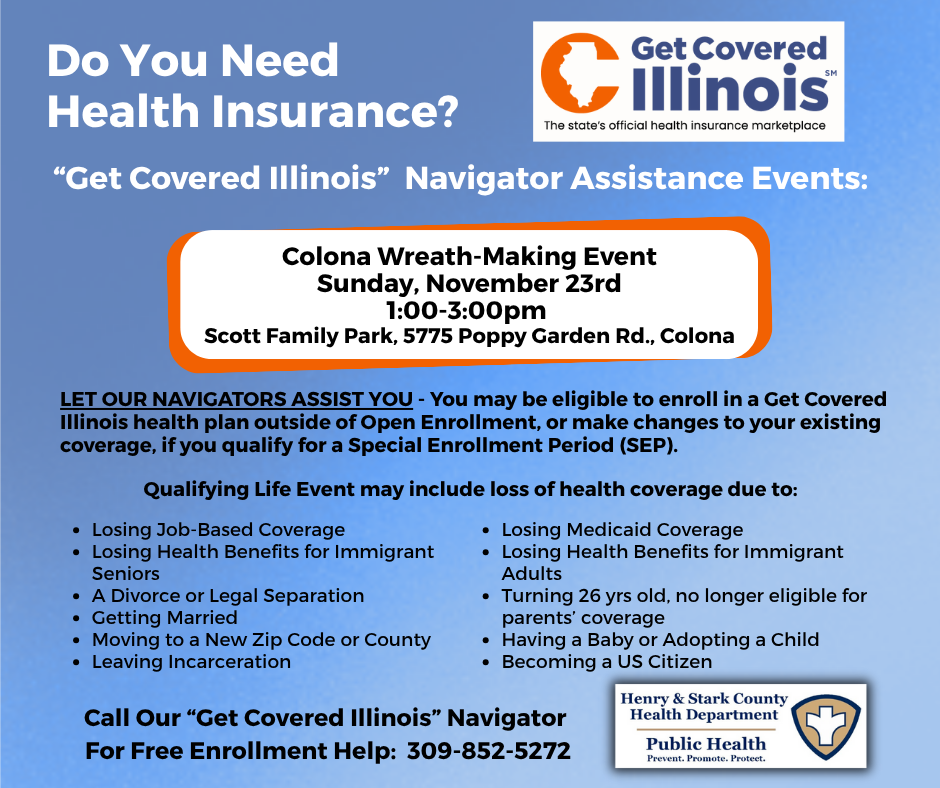
The Henry and Stark County Health Departments and the Get Covered Illinois Navigator Program asks, “Do You Need Health Insurance?” Their health insurance navigators will be present at the upcoming local event to assist anyone looking to set up health insurance coverage:
Colona Wreath-Making Event
Sunday, Nov. 23 from 1-3 p.m.
Colona Scott Family Park, 5775 Poppy Garden Rd., Colona, Ill.
Our “Get Covered Illinois” Navigators can help you:
● Find affordable health coverage that meets your needs
● Fill out and submit your application
● Compare quality health plans side-by-side
● Find out if you qualify for financial help to lower your monthly premium
● Find out if you qualify for Medicaid or an affordability program
● Understand your benefits
● Understand health insurance terms
Remember you may be eligible to enroll in a Get Covered Illinois health plan outside of the usual Open Enrollment, or make changes to your existing coverage, if you qualify for a Special Enrollment Period (SEP). The SEP may require you to enroll within 60 days of a Qualifying Life Event. A qualifying life event is a life change, such as:
Loss of Health Coverage, due to:
● Losing job-based coverage
● Losing Medicaid coverage
● Losing Health Benefits for Immigrant Seniors or Health Benefits For Immigrants Adult coverage
● A divorce or legal separation
● Turning 26 years old, no longer eligible for parents’ coverage
Other Qualifying Life Events include:
● Getting Married
● Having a baby or adopting a child
● Moving to a new ZIP code or county
● Becoming a US Citizen
● Leaving incarceration.
For more information on this Get Covered Illinois Navigator event or assistance in enrolling in a Get Covered Illinois Healthcare Marketplace, call 309-852-5272.