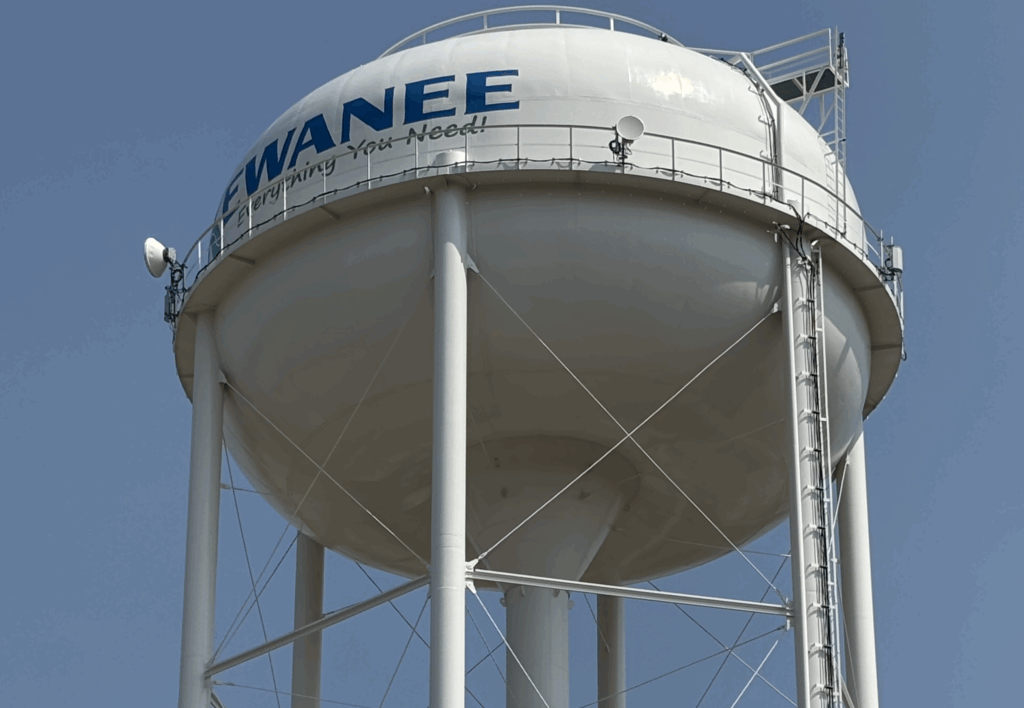
Starting in September, Kewaneeans will pay more for their water.
At Monday’s meeting, the City Council approved an increase from $43.12 to $53.04 in the bimonthly charge for the first 500 cubic feet of water used.

The bimonthly charge for the next 4,500 cubic feet of water will go from $5.40 to $6.64 per 100 cubic feet. The fee for water usage above 5,000 cubic feet will increase from the present $4.25 per 100 cubic feet to $5.24.
Four-percent increases will be added each year after 2025.
The increase is needed to provide funds for some upgrades to the city’s water system.
The council Monday approved the increase unanimously, without discussion. But in previous meetings this spring, when a representative of the city’s engineering consulting firm suggested the rate increases, the council discussed the rate increases at length.
The additional revenue, the engineers said, will help the city pay for an array of needed improvements for the city’s municipal water system.
The biggest need is for a means of reducing the levels of a pollutant called chlorides in the water discharged from the treatment plant.
Kewanee’s water now exceeds the IEPA limit of chloride concentration in the discharge, and the state agency has been ordering the city for years to do something about it.
The contaminants are there because Kewanee’s water is pumped from an aquifer more than 2,000 feet below the surface. The water picks up minerals and other pollutants on its way down to the aquifer.
The engineers are recommending that the city drill two shallower wells, which should produce cleaner water, and mix that water with the water that goes to the treatment plant. That should reduce the chloride level to an acceptable level, they say.
One of the engineers also pointed out at a prior council meeting that Kewanee has more than 12 miles of water mains that are 100 or more years old, and another 12 miles of pipes that were installed before 1940. The council has discussed setting up a program of replacing those ancient pipes, funded by the increased revenues from water bills.