***This column was originally published in the Summer Adventure Guide 2025.
In the United States in the middle of the 19th Century, envelopes with pictures on them began being used to enclose letters. This likely was the precursor to the postcard.
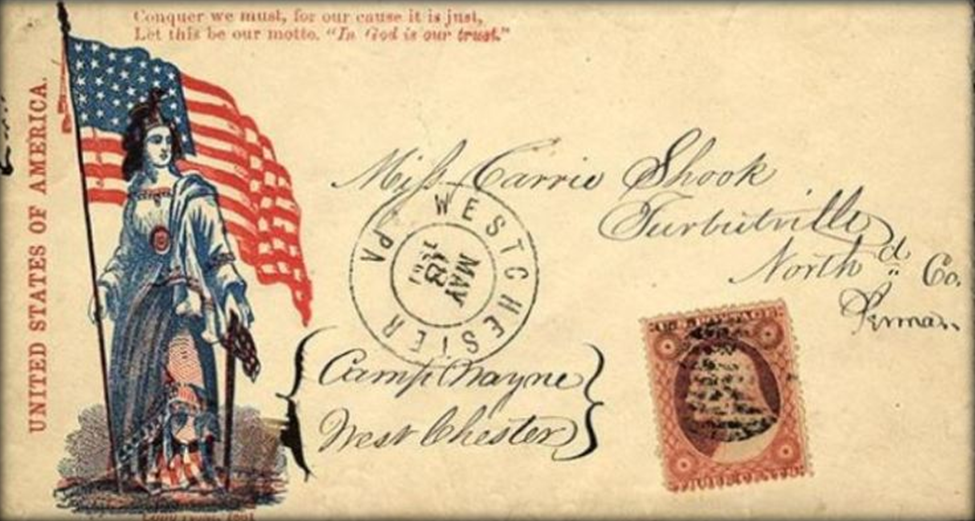
Then in 1861, Congress passed legislation for privately printed, one-ounce cards to be mailed. That same year, a copyright was issued for the first such card in the U.S. But the idea did not immediately catch on.
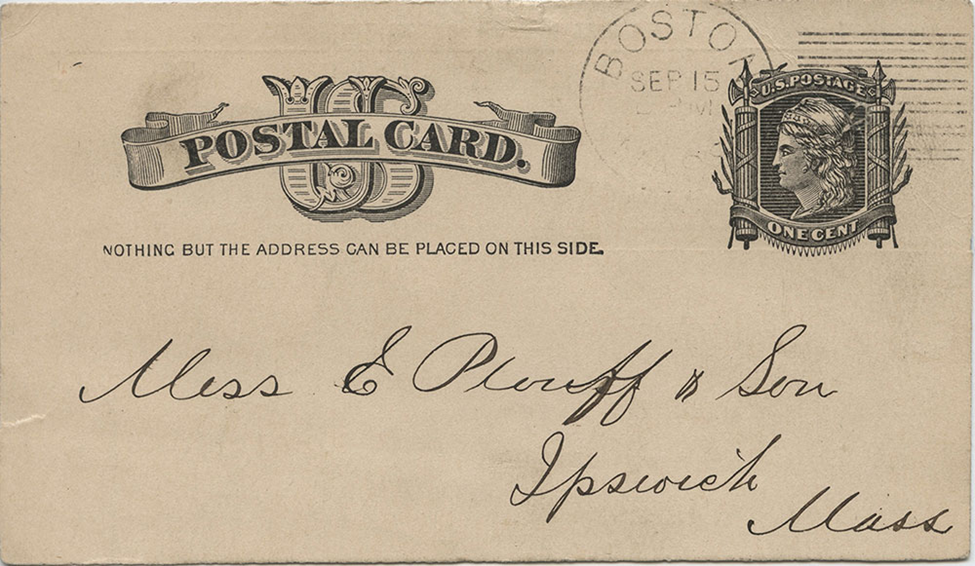
In 1872, Congress approved government production of postal cards with a message on one side and the recipient’s address on the other. But only the government could use the term “Postal Card,” which could be mailed for one cent. While private publishers could print such cards, they cost two cents to mail and were called a variety of other names.
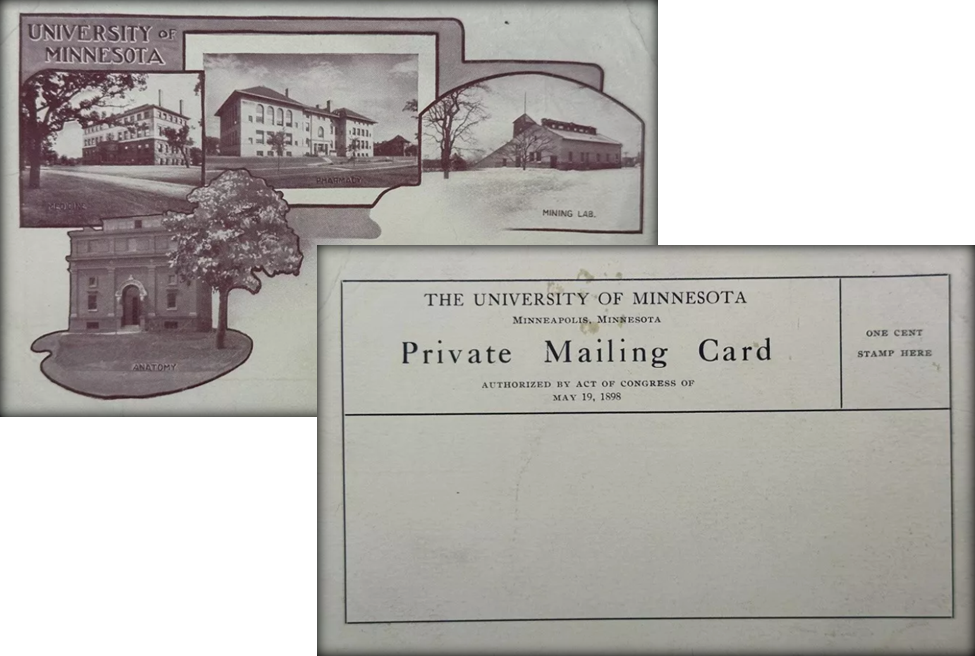
In 1898, Congress passed legislation allowing private companies to produce cards with the statement “Private Mailing Card, Authorized by Act of Congress of May 19, 1898,” which could be mailed for one cent. But messages were not allowed on the address side of the private mailing cards, although messages could appear on the front of the card, either alone or alongside an image.
Finally, in 1901, the Post Office issued an order which allowed the words “Post Card” on the back of postcards, but messages were still not allowed on the address side and, because all cards had images, there was no space for messages.
The year 1907 marked the adoption of the postcard with which we’re familiar today. Because of an international convention, Congress allowed for messages on the left half of the address side of the card, which ushered in the “Golden Age of Postcards.”
At the same time, “real photo” postcards began being produced using the Kodak “postcard camera” which could take a picture and then print a postcard-size negative of the picture, complete with a divided back and place for postage.
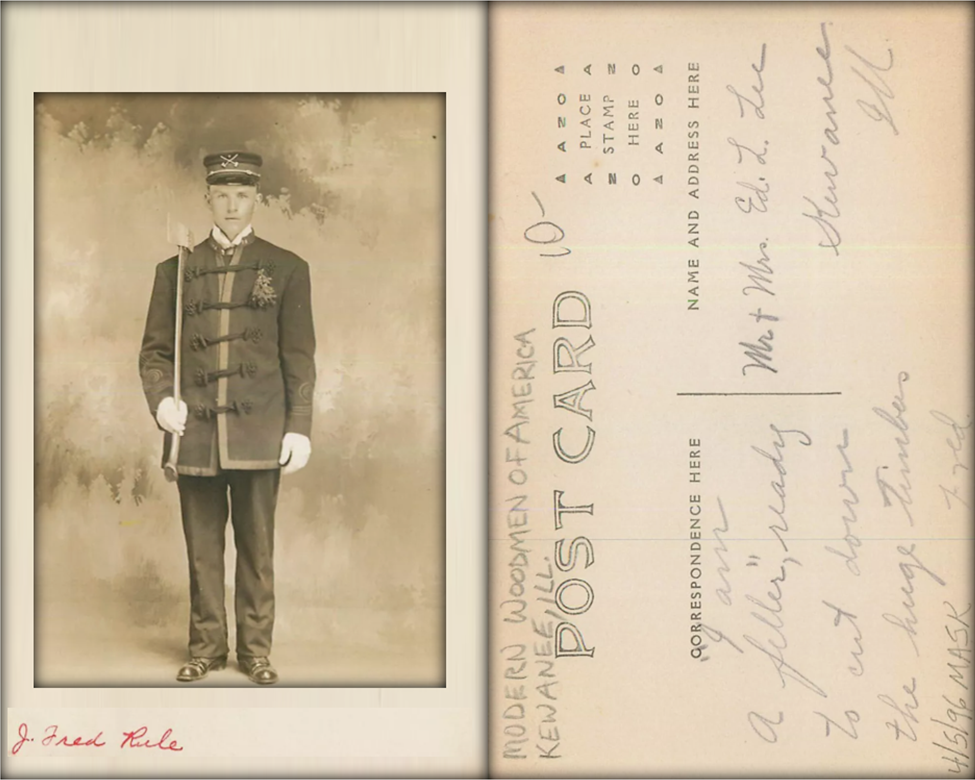
Kewanee quickly joined the golden age, and hundreds of thousands of Kewanee-centric postcards were produced and sent around the country and around the world. The chamber of commerce could use postcards to promote the city and announce events, while individuals could have their personal photos developed at local drug stores to be printed on the front of postcards.
Particularly popular postcards showcased Kewanee’s recreational opportunities in the hope of drawing visitors to the city. Here are just of a few of the many such cards.
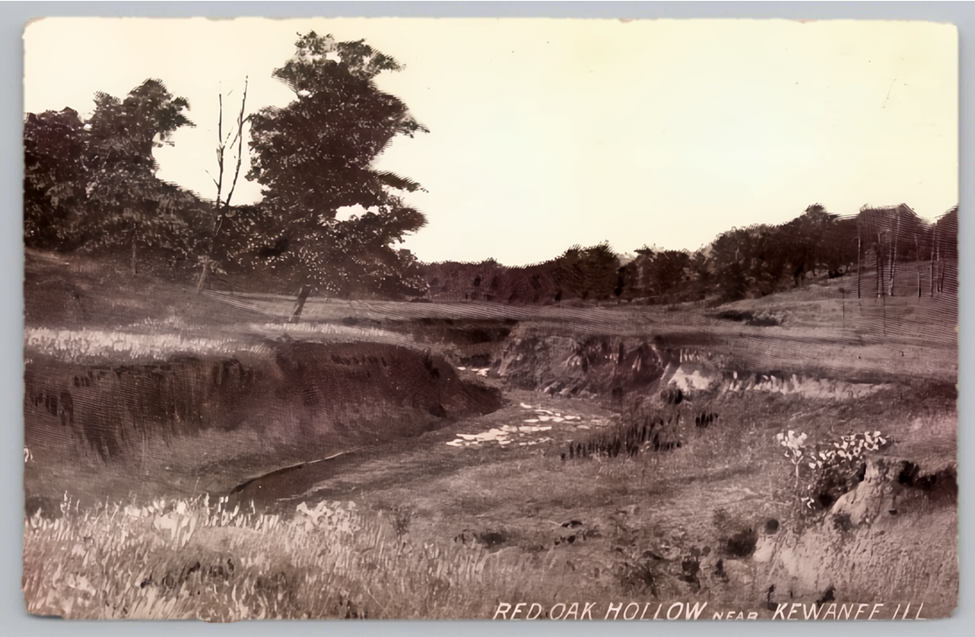
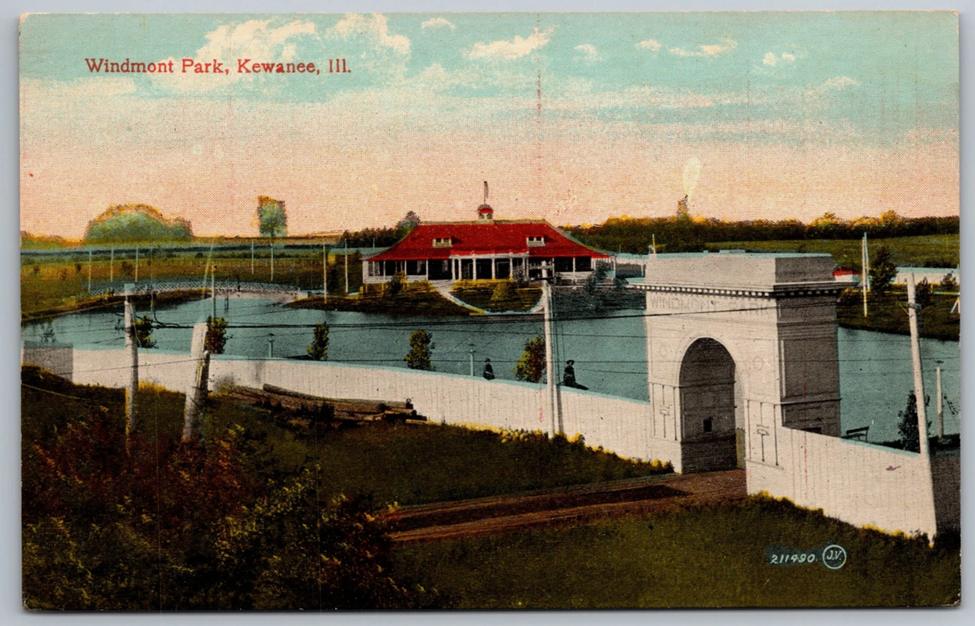
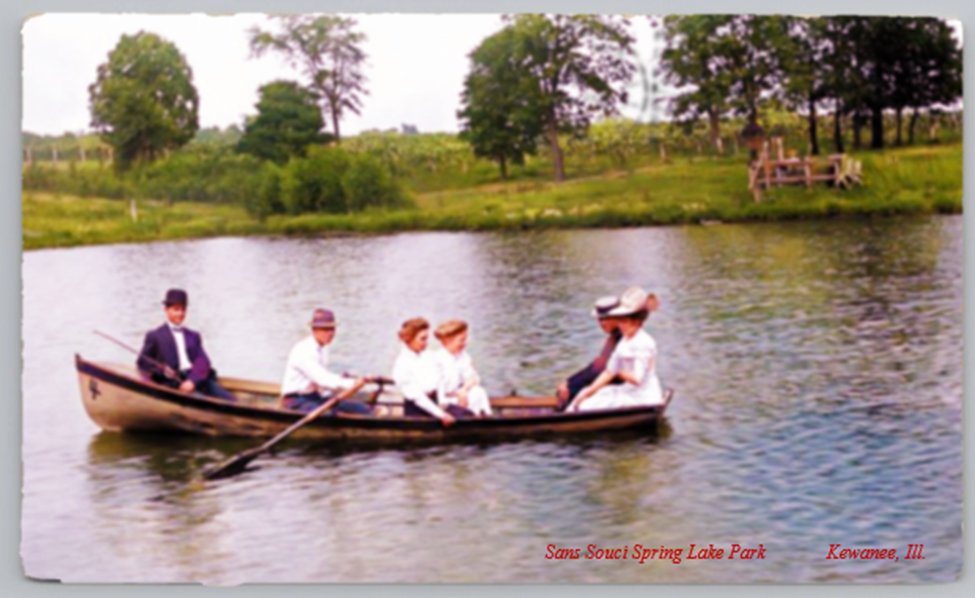
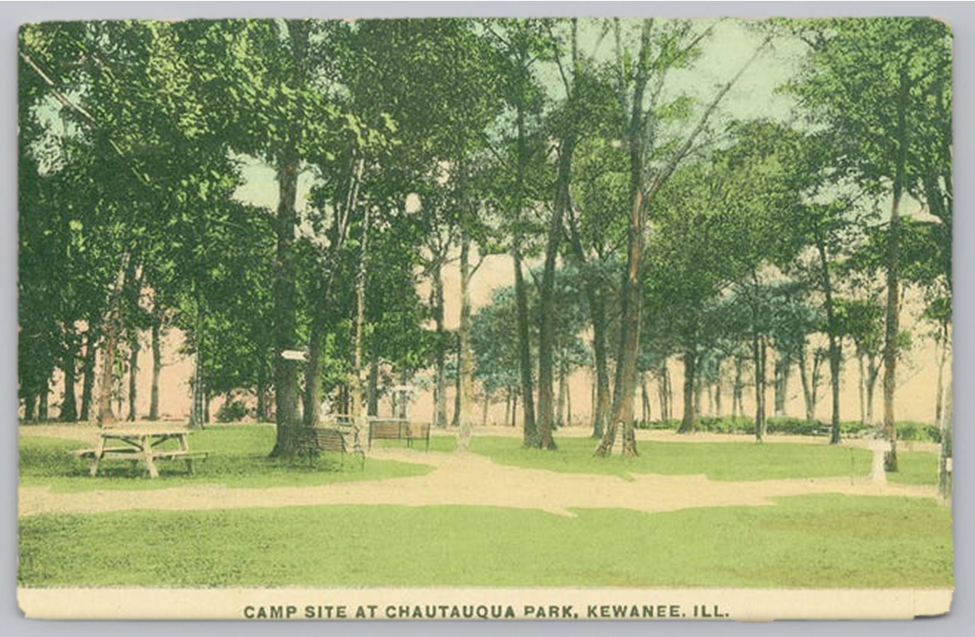
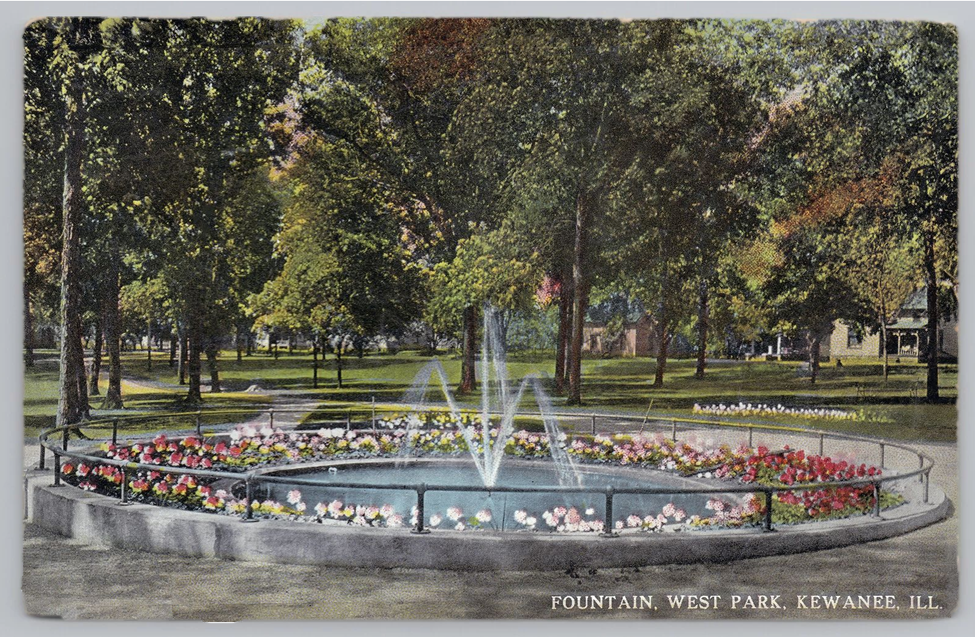
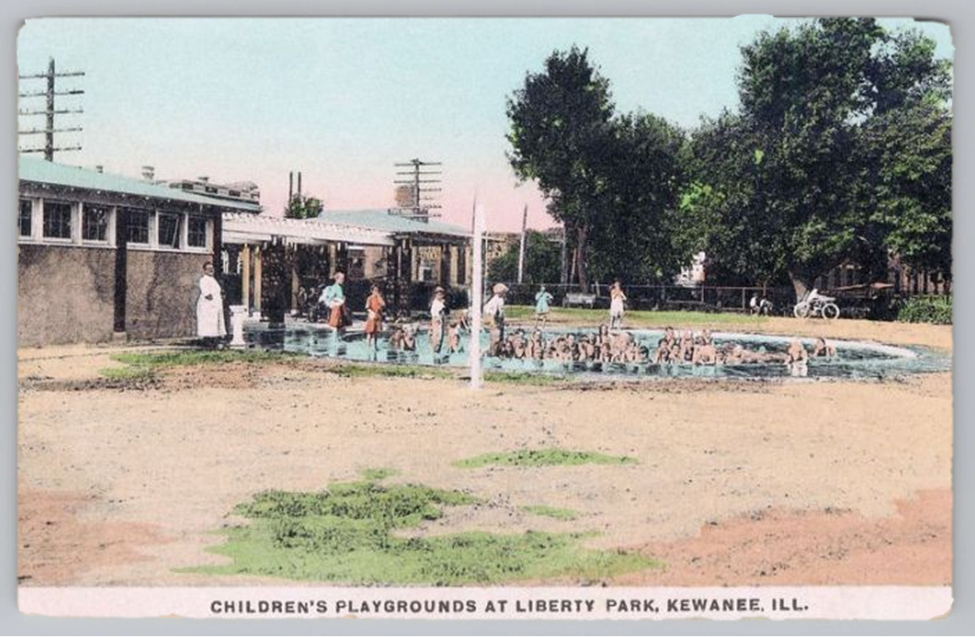
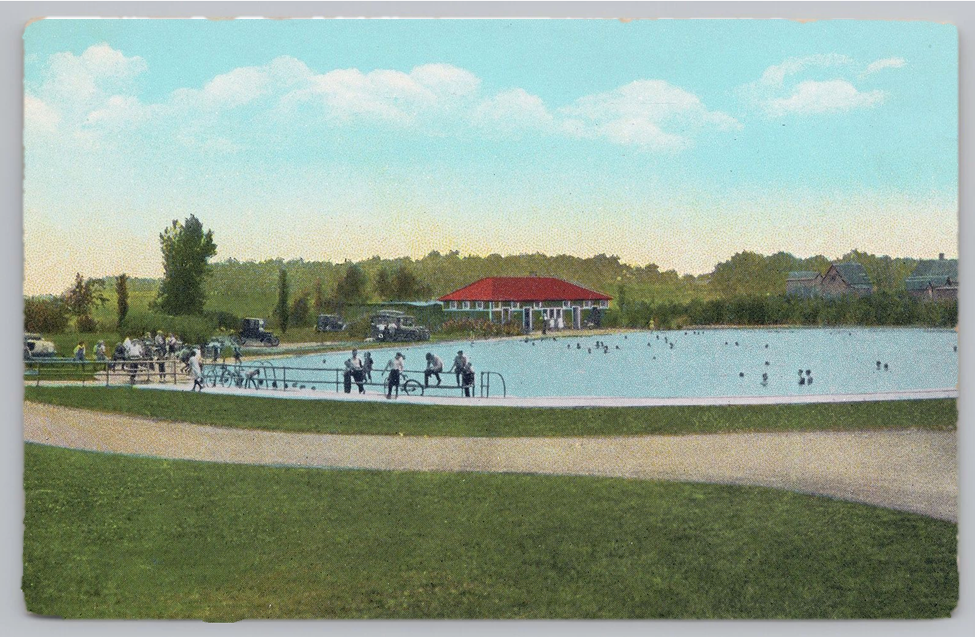
(If you’d like to learn more about Kewanee’s many parks, past and present, my book, A BRIEF HISTORY OF THE FIRST YEARS OF KEWANEE PARKS, can be purchased at the Kewanee Historical Society or on Amazon, or you can check it out from the Kewanee Public Library.)