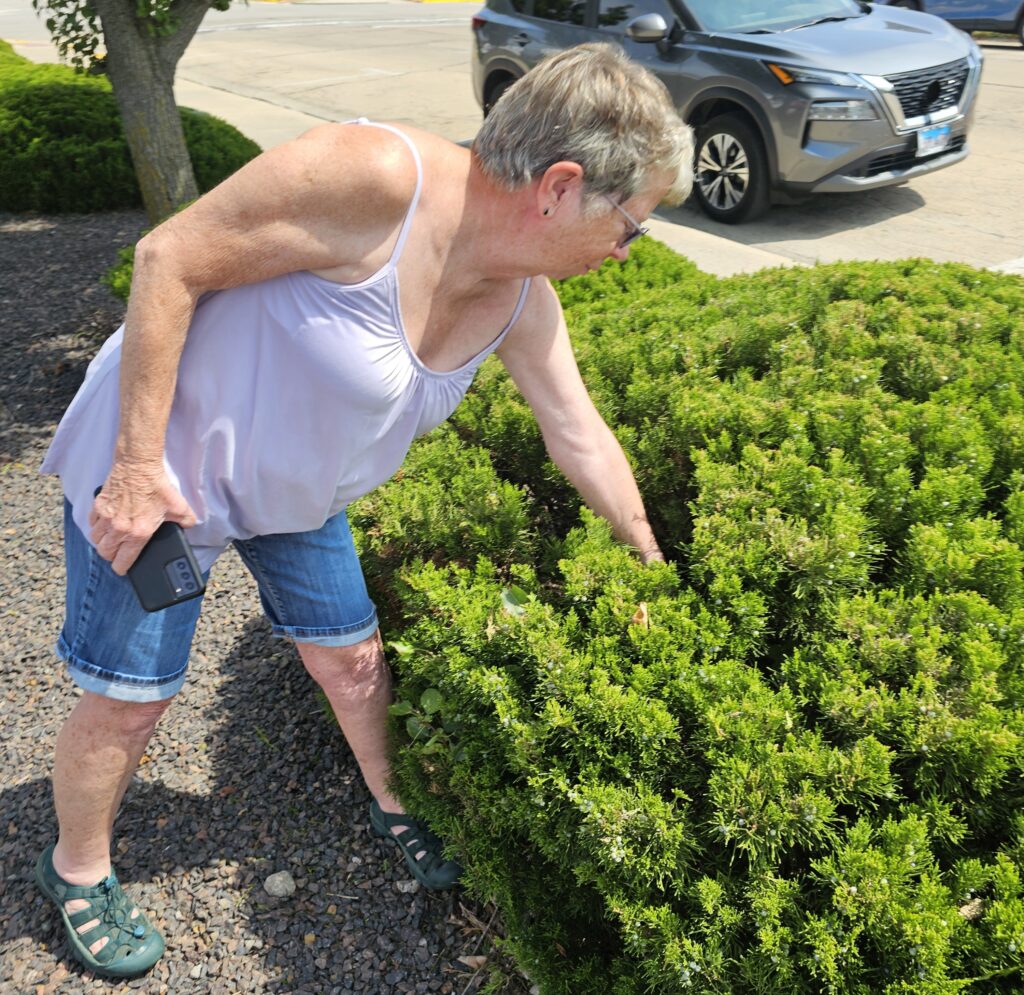
It’s the thrill of the hunt for a Kewanee couple, who started their journey into a high-tech hobby of hide and seek in 2005
Wanda Kieft said that she and her husband, Warren, were introduced to geocaching many years ago and began placing caches in Kewanee. Since that time, the couple have not only hidden caches in and around the city, but they have located hundreds of caches in the U.S. and foreign countries.
The hobby not only appeals to the Kiefts but it has mass appeal, said Wanda.
“You wouldn’t believe how many people come to our town just to geocache. It’s really, really popular,” she said.
According to Wanda, who is well-versed in the history of geocaching, it all began with just one cache in Beaver Creek, Ore., placed by Dave Ulmer in 2000.
National Geographic describes the hobby as a type of “global treasure hunt” for people who look for “caches or hidden stashes of objects.”
Wanda said when the Global Positioning System (GPS) became more accessible to average people, the idea to use satellites to hunt hidden targets all over the world developed.
The hobby has changed quite a bit since its start. At one time, it was called “geostashing,” but a group of people interested in science and technology used GPS devices and the internet to re-invent the older hobby of letterboxing, according to the National Geographic.
Today, Wanda said there are over 3 million geocaches, probably well beyond that since they stopped counting at that number. And double that number of people participate in the hobby, which attracts many retirees such as the Kiefts and younger people who have more time to hide and hunt for the trinkets.
Caches often center on getting geocachers to historical sites or scenic areas, and locally, the Kiefts have used their hobby to do just that.
Wanda said they have hidden many of their local caches near the Walldog murals.
“The city is very happy we’re doing this because it brings people off the interstate into town,” she said, adding that Kewanee has become a geocache destination.
Of course, there are many rules that go along with the hobby. They can’t be buried, she said, and permission should be asked of the municipality before placing them. They also shouldn’t be hidden near schools, military facilities or armories.
“Because you look suspicious when you are hunting them,” she said.
Containers or vessels are used to hold a paper log book and they need to be watertight to keep the log inside dry. Sometimes trinkets are included along with the log book. The Kewanee couple often places polished rocks or even dollar coins, designated with FTF, or first to find.
The Kiefts get enjoyment out of making their own containers creative and unique, using objects such as a hollowed-out corn cob to hold a tube. Vessels or bison tubes used to hold the log can be purchased online and over the years, the Kiefts have accumulated a tool box of sorts, with tweezers, grabbers and other tools to facilitate their searches and retrievals.
They have also built several boxes to hold their caches, which should, in most cases, be hidden where they can be easily accessed and maintained. The one exception is a cache they placed in Ithaca, N.Y., where their daughter lives. A box holding a cache is hidden in a compartment behind a little library built by Warren. Their daughter maintains that site for them.
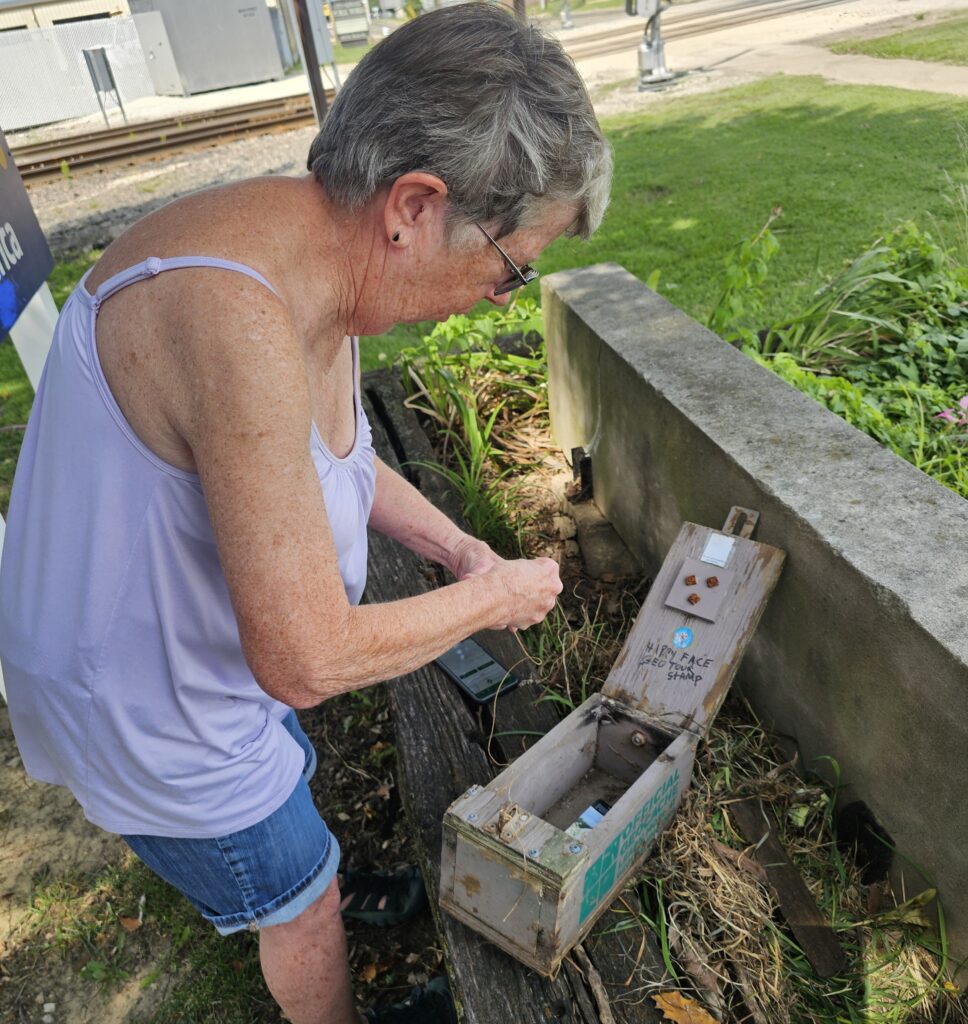
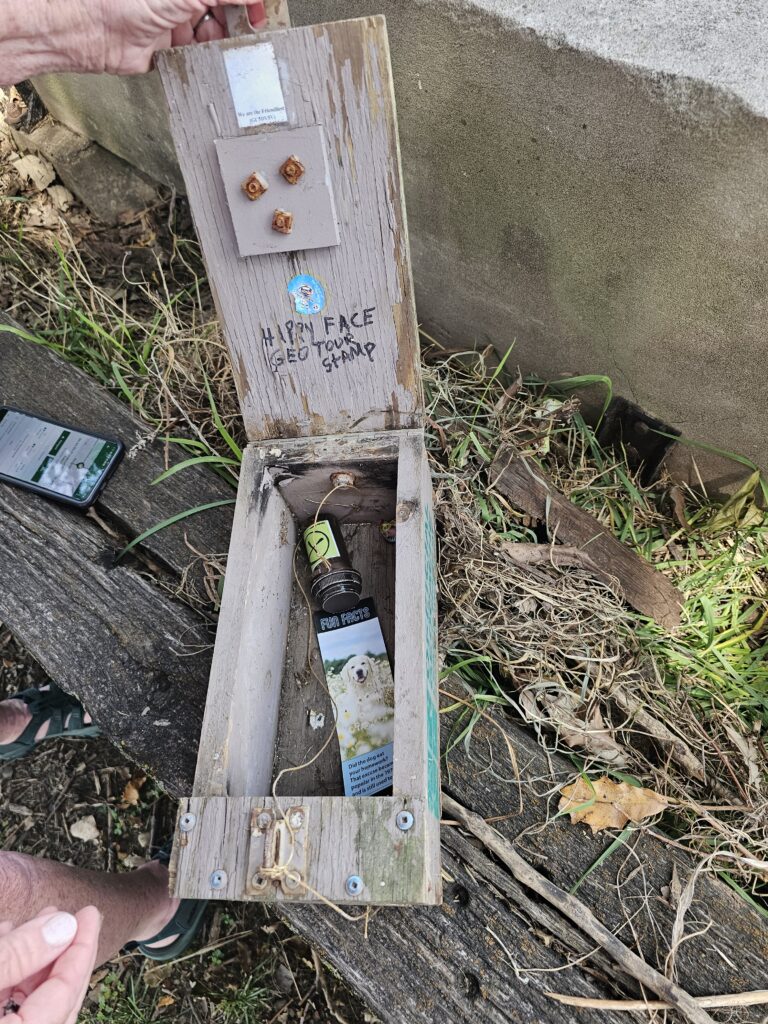
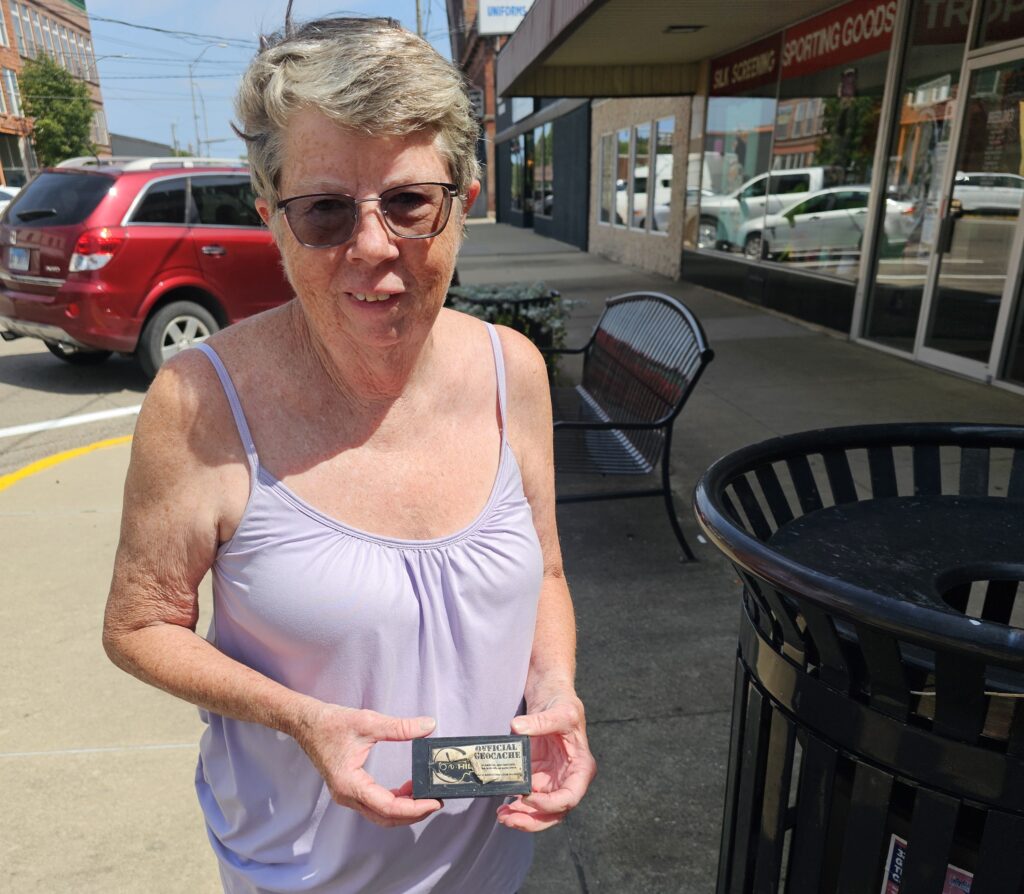
Wanda said there are hidden caches known as “easy park and grabs,” where hiking and walking aren’t necessary. But finding many caches requires people to walk for some distance and in some states, seekers can find caches hidden in state parks.
“In South Carolina, every state park has at least one. It’s huge,” she said.
How exactly people know where to locate the hidden items involves downloading an app such as geocaching or c:geo for android users. The apps also allow for people to log their cache finds and for geocachers to be alerted when someone finds their stash.
In their quest for their next find, the Kiefts have traveled to many states. But they haven’t just confined their hobby to the U.S, they have traveled much farther.
Hosting many foreign exchange students, the couple often travels to the students’ country to visit them. That has allowed them to treasure hunt in countries such as Germany, Norway, New Zealand, Australia and Denmark.
They also love introducing their foreign exchange student’s family to the hobby.
“Many had never heard of geocaching but by the time we left, they knew all about it,” said Wanda.
The Kiefts have hidden dozens of geocaches around Kewanee with the names of some of their caches, “Turtle in the Rock,” “Corn Cob Cache,” and one, which is located centrally between murals, they named “Three Views of History.” The names are usually clever clues that will help the seekers locate the caches.
Geocaching is popular in the U.S., and it’s not only used in geography classes, but Boy and Girl Scout troop members can earn badges in it. It’s equally as popular in Europe, she said.
Wanda said she and her husband enjoy the hobby and even after hiding 56 around the city, the plan is to hide more.
“We sometimes can spend a day and a half just geocaching. It’s been great fun,” she said.