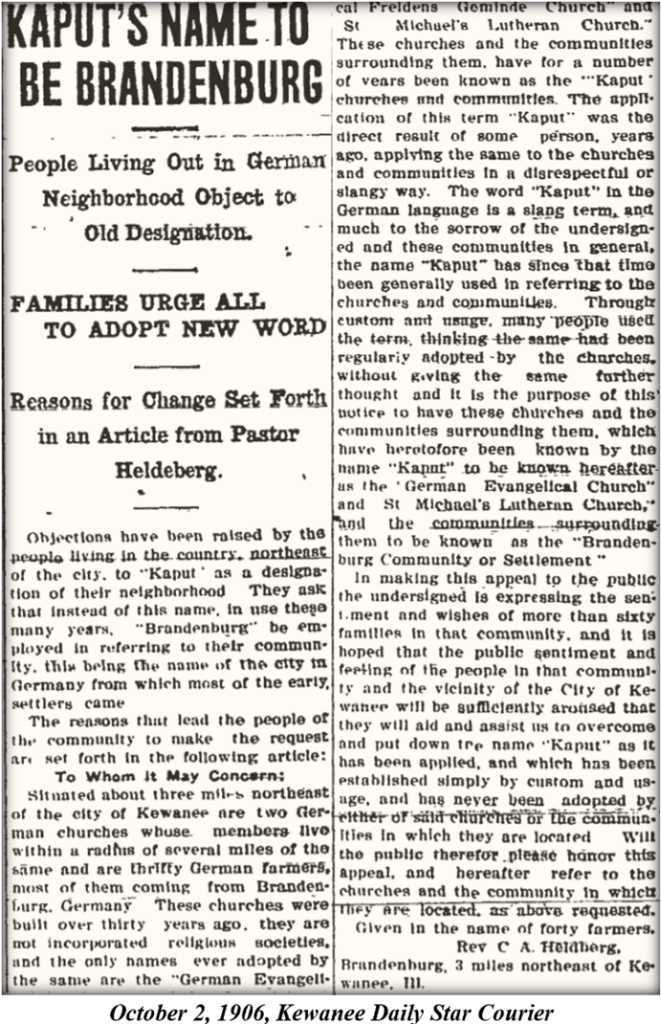
(I recently received the March 2024 issue of The Genie, the quarterly publication of the Henry County Genealogical Society. In the issue was a story from the October 2, 1906, Kewanee Star Courier, which reminded me of a story I wrote a few years back. If you’re not already a member of the Genealogical Society, please consider joining this wonderful group supporting the importance of our shared history. If you are a member, consider making another donation to help defray the Society’s expenses.)
I’m a mutt.
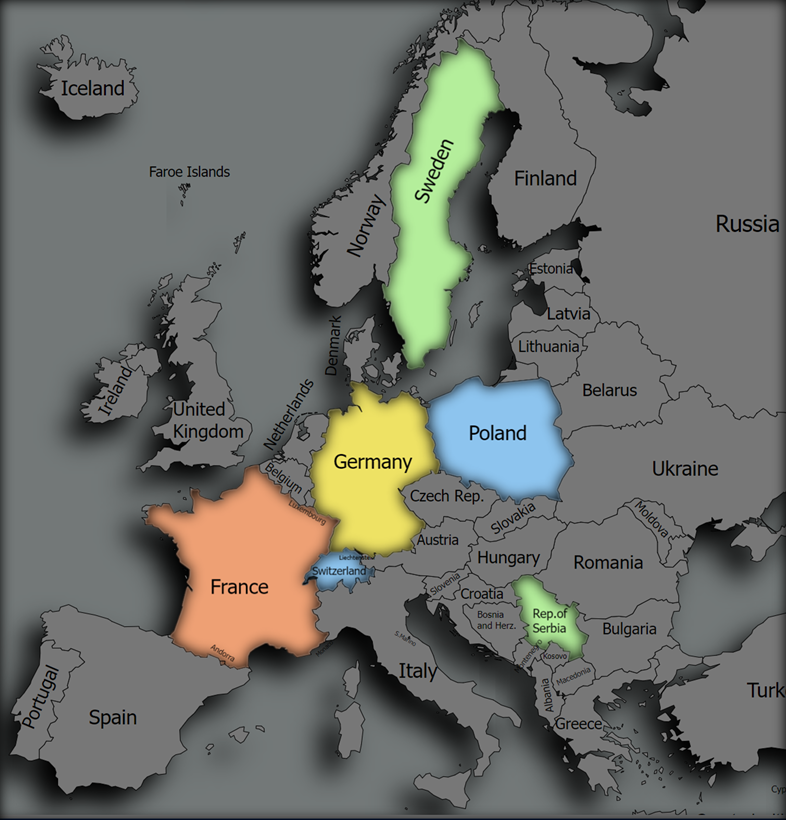
In no particular order, I’m Serbian, Polish, German, Swiss, French, Swedish, and probably a few other nationalities of which I’m not aware. My ancestors were members of, among others, the Catholic Church, the Serbian Orthodox Church, the French Reformed Church, the German Evangelical Lutheran Church, and the Swedish Lutheran Church – oh yeah, some probably were atheists, agnostics, or skeptics, too.
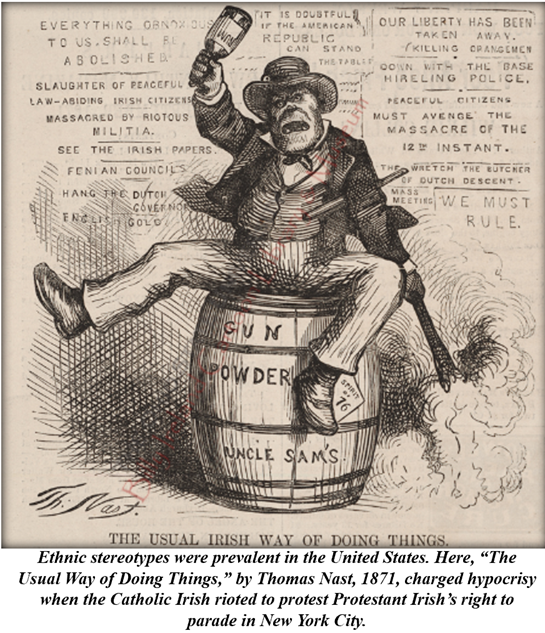
Like your ancestors, mine heard a variety of terms intended as ethnic, racial, or religious slurs, words very much intended to hurt or degrade them. They heard such terms both in the countries from which they came as well as in the U.S. after their arrival. Some of the printable ones used in the U.S. included polacks, mackerel snappers, krauts, huns, heinees. You probably know more of both the printable and unprintable varieties.
Sometimes, though, use of a term which has a history of being an ethnic, racial, or religious slur is used out of ignorance, not animus. Yet its use can still hurt, be offensive, or just make another feel uncomfortable.
Sounds like I’m about to dive into the murky waters of wokeness, right? I’ll let you be the judge. But first let me tell you a story.
A while back, there were two churches serving farm families a few miles outside of a small, rural city. Those families were all descendants of pioneers who helped to settle the area. Those particular pioneers all migrated from the same geographic area in the old country half-a-century earlier.
The community all frequented the nearby city for their economic needs, as well as establishing friendships and relationships with the city’s residents.
The rural churches had been built thirty years earlier and had adopted names reflecting houses of worship.
However, some citizens in the nearby city adopted a term for the churches, a term they knew was a derogatory and insulting term which had originated in the country from which the rural residents came.
Unfortunately, others in the city, not knowing the term was an insult, used it as well, thinking, wrongly, that the community itself had adopted the term.
Finally, after years of trying to just ignore the use of the term, the churches and the community wrote, respectfully, an article in the local newspaper to explain the derogatory nature of the term. They asked the city residents to stop using the insulting term, to call the churches by their proper names and, if there was a need to refer to the general geographic area in which the community resided, they offered up an alternative name.
This is a test. You have to decide whether the churches and their communities were reasonable and justified in their request or were unreasonable – is it wokeness?
Ok, I’ll give you a helping hand if you’re on the fence. It all happened in Kewanee.
It’s true. It involved ancestors of yours, your families, your friends, or your fellow Kewaneeans. Here’s the full story.
One line of my family was among the dozens of families who migrated from Brandenburg, Germany to Kewanee in the 1850s through the 1870s. They eventually bought farmland three miles or so northeast of Kewanee, in the rolling woods and prairies of what once was Big Barren Grove.
Because Kewanee was a long wagon-ride away after a hard week’s clearing and cultivating their land, they soon decided to start a local church. In 1867, they established St. Michaels Evangelisch-Lutherische Kirche (St. Michael’s Evangelical Lutheran Church), about a mile west of what is now Francis Park. Services were initially held in the Kuster School, but the congregation quickly raised funds to erect a church building next to the school.
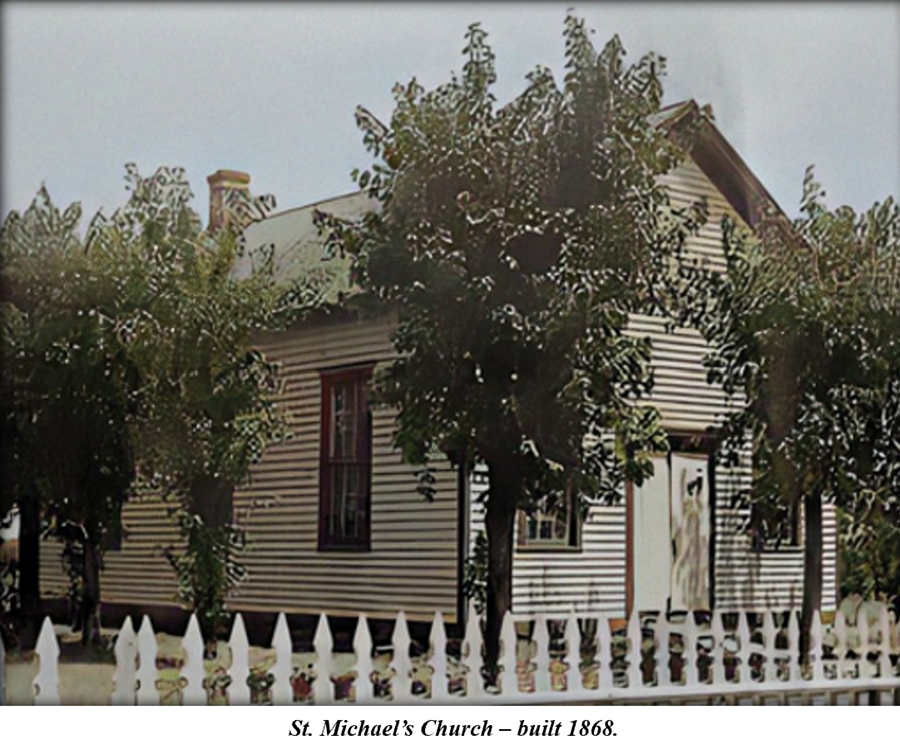
However, tension arose within the congregation, between those who had attended French Reformed churches and those who had attended German Lutheran churches in the old country.
In January 1876, thirty families withdrew from St. Michaels to form a new church, Die Deutsche Vereinigte Evangelische Friedens Gemeinde (The German United Evangelical Peace Church). By late spring, they dedicated a new church building located half-a-mile west of St. Michael’s.
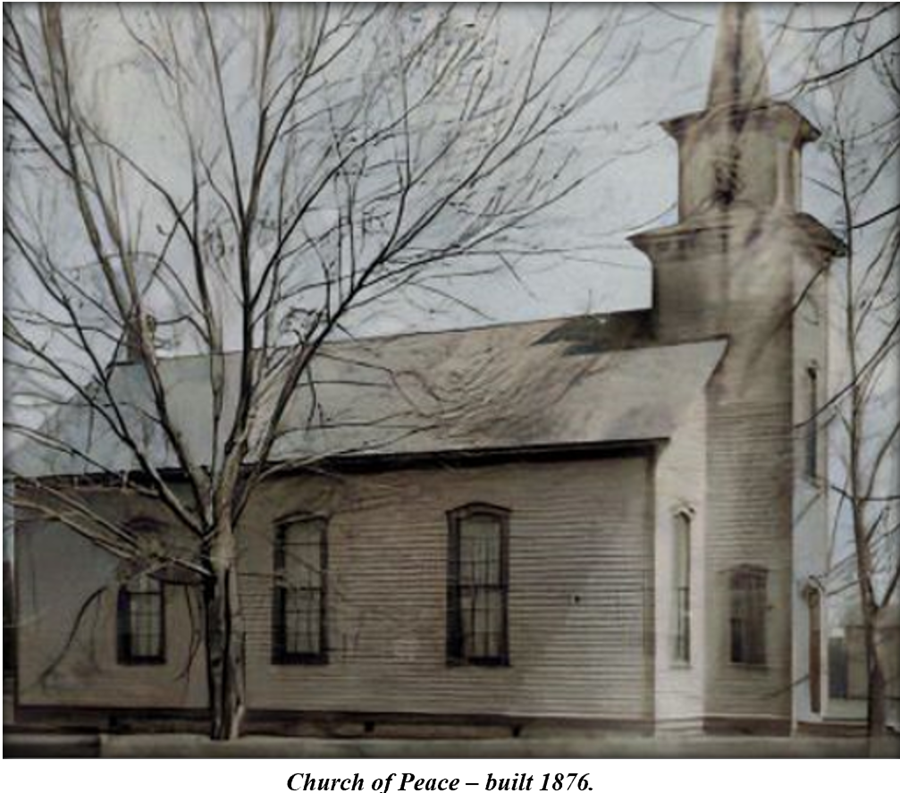
Unfortunately, Kewaneeans began referring to the two churches as the “Kaput” churches, and it caused pain among the members of the two congregations.
After over a quarter-century of suffering this derogation, Reverend C. A. Heldberg wrote to the Kewanee Daily Star Courier with a request.
The reverend first told of the histories of the churches and from where the congregants immigrated. He explained that the two churches had only used the names they adopted and no others.
He then explained that
“some person years ago appl[ied Kaput] to the churches and communities in a disrespectful or slangy way. The word ‘Kaput’ in the German language is a slang term and [used] much to the sorrow of the undersigned and these communities.” [Unfortunately, Kaput] “has since that time been generally used in referring to the churches and communities. Through custom and usage, many people used the term thinking the same had been regularity adopted by the churches without giving the same further thought . . .”
He then appealed to Kewaneeans to
“assist us to overcome and put down the name ‘Kaput’ as it has been applied . . . . Will the public therefore please honor this appeal and hereafter refer to the churches and the community . . . [as the German Evangelical Church and St. Michaels Lutheran Church and the communities surrounding them to be known as the Brandenburg community of settlement.]”
Eventually, most Kewaneeans, out of respect for their fellow citizens, responded favorably to the request of the Brandenburg Community. I’m sure you would, too – wouldn’t you?
See, this wasn’t about wokeness. After all, showing respect for others is simply the right thing to do. Kewaneeans knew it back then, and I bet most know it today, too