Zhbampton | Dreamstime.com
The Illinois Department of Public Health (IDPH) is warning residents to take appropriate precautions against tick bites after one Illinois resident became seriously ill with Powassan – a tickborne illness that had not previously been detected in this state.
State health officials still aren’t sure whether the resident was exposed to the illness in Illinois or in a different state, a news release from the Henry and Stark County Health Departments said. As a precaution, the State is asking residents to protect themselves against any and all illnesses caused by ticks.

“With warm weather still prevalent, tick-borne diseases remain a potential threat here in Illinois,” said IDPH Director Dr. Sameer Vohra. “It’s important for everyone to guard against tick bites and the serious illnesses they can cause.
“We urge everyone to ‘Fight the Bite’ by reducing opportunities for exposure and repelling tick bites by wearing preventive clothing. If you have been in a wooded or grassy area where ticks are common and you begin to show symptoms like fever, fatigue or headache, see a health care provider immediately.”
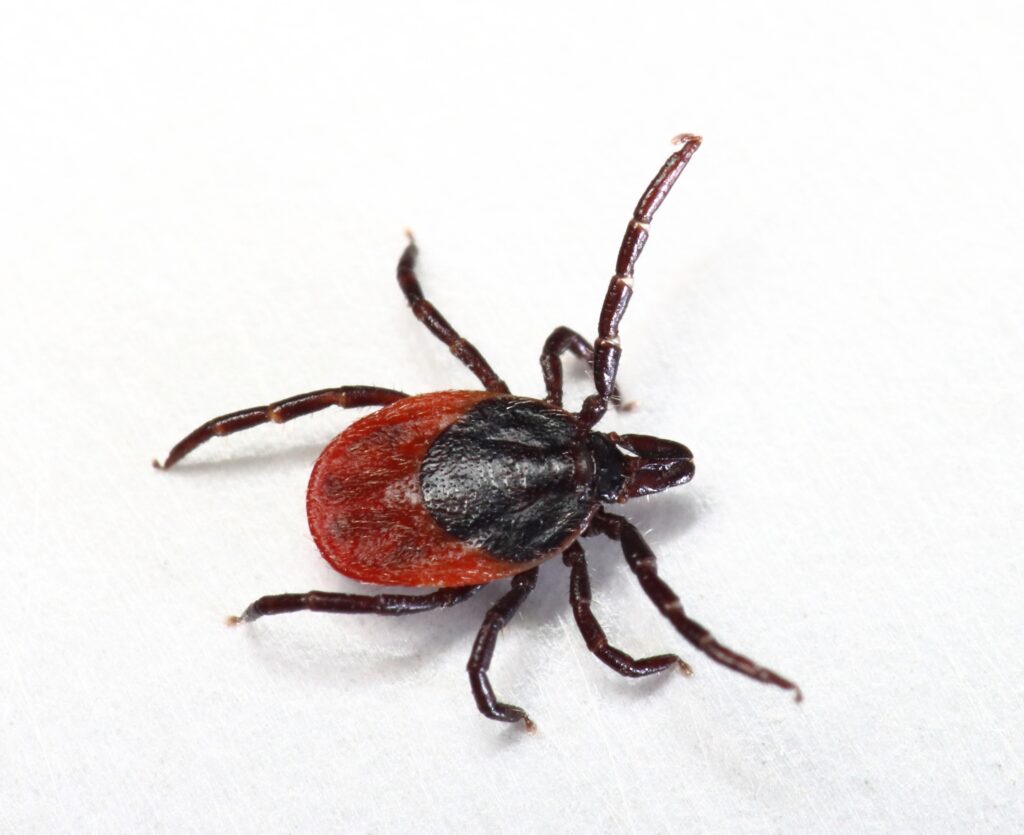
Powassan is a virus that can be spread to humans through the bite of an infected tick; the black-legged deer tick is most frequently associated with Powassan. According to the Centers for Disease Control and Prevention (CDC), initial symptoms can include fever, headache, vomiting and weakness.
Powassan virus can cause severe disease, including inflammation of the brain – encephalitis or the membranes around the brain and spinal cord – meningitis, and can sometimes be fatal. Symptoms of severe disease include confusion, loss of coordination, difficulty speaking, and seizures. Powassan cannot be spread human-to-human through casual contact.
IDPH will be conducting active tick surveillance such as dragging and testing ticks for Powassan and other infections, in areas of Illinois where the case spent time prior to their illness.
It’s important to protect against tick bites to prevent that and other serious tickborne illnesses, including Lyme Disease, Rocky Mountain Spotted Fever, tularemia, ehrlichiosis and babesiosis, health officials said.
People can also “Fight the Bite” by diligently checking themselves, their pets and children for ticks after spending time in areas where ticks live, such as in and near wooded areas, tall grass and brush. Removing ticks within a 24-hour period reduces the risk of potential disease transmission.
Following are additional tips for how to avoid tickborne illnesses and have a healthy time in the outdoors:
● Learn about tick removal and symptom awareness HERE.
● Walk in the center of trails. Avoid wooded, bushy areas with high grass and
leaf litter. A Camper Checklist provides more details on how to protect
yourself.
● Wear light-colored clothing to make ticks easier to find. Tuck long pants into
socks and boots.
● Apply an EPA-registered insect repellent containing 20% DEET, picaridin, IR3535, or Oil of Lemon Eucalyptus according to label directions. The EPA has a search tool that can help you find the product that best suits your needs.
● Conduct full-body tick checks on family members (underarms, ears, belly button, behind knees, between legs, waist, hair and scalp) every two to three hours. Also check any gear or pets taken on outings.
● To kill ticks after being outdoors, put clothes in the dryer on high for 10 minutes (or one hour for damp clothes).
● Bathe or shower within two hours after coming indoors.
● If you find a blacklegged tick on you that may have been attached for more than three days, then seek medical attention to decide if you need an antibiotic to prevent Lyme disease.
● It is often helpful to keep the tick for species identification. Place the tick in rubbing alcohol or in a sealed bag/container to bring to your healthcare provider or local health department for submission to IDPH. A submission form can be found HERE on the IDPH website.