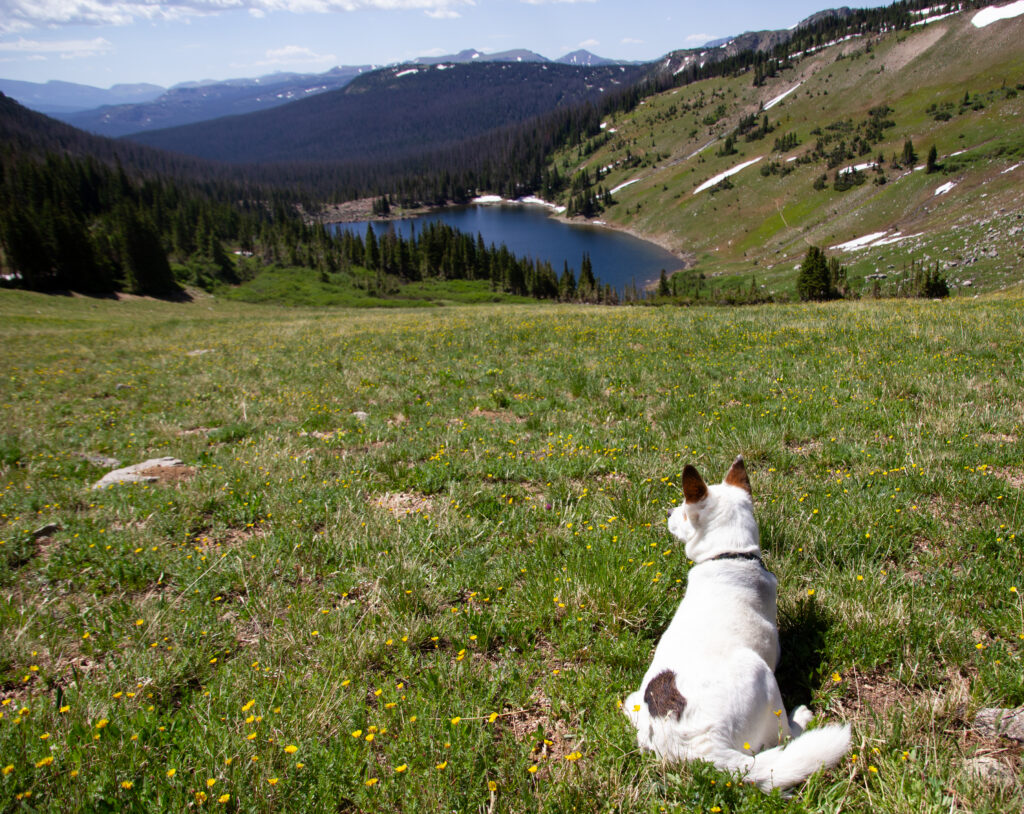
As the United States nears its 250th birthday, my mind keeps turning to one of our country’s most precious jewels: our public lands. To me, public lands are one of the best things about the United States because, at their core, they are about the future. They speak to the next 250 years and beyond.
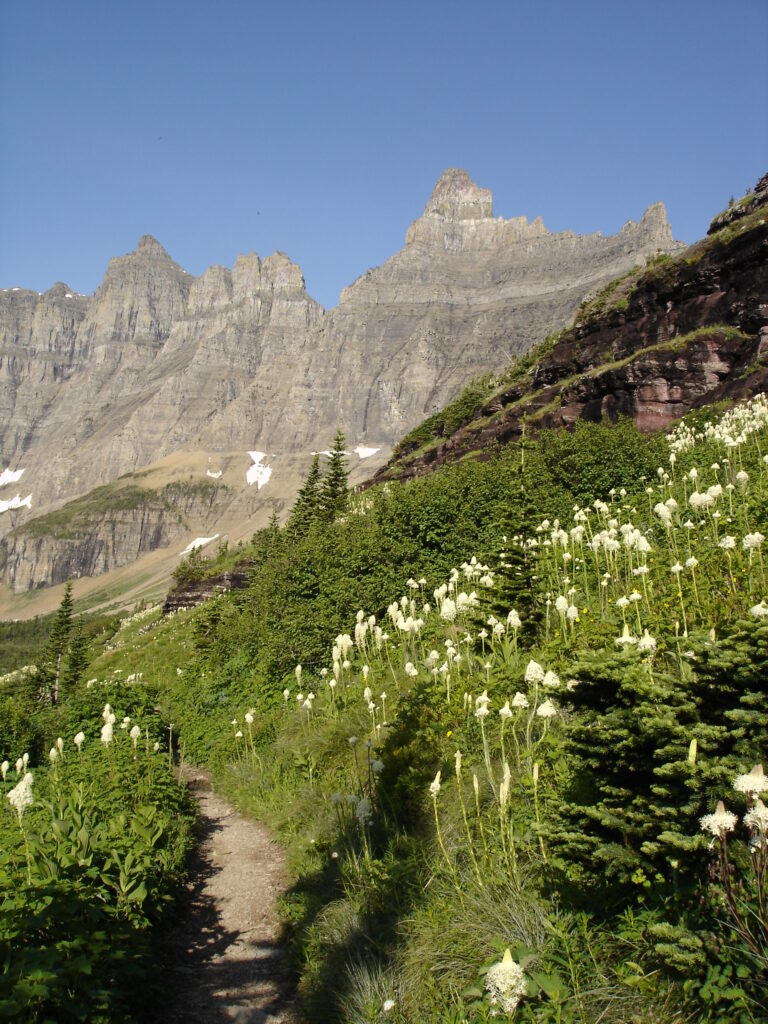
There are many different types of public lands, administered by different federal agencies. They span a diversity of landscapes across the United States. Perhaps the most famous are the national parks, such as Glacier, Yosemite and Rocky Mountain, as well as Grand Canyon, Everglades and so many others. The national parks contain our nation’s most spectacular scenery, some of which—as in the case of Mammoth Cave and Wind Cave—is underground.
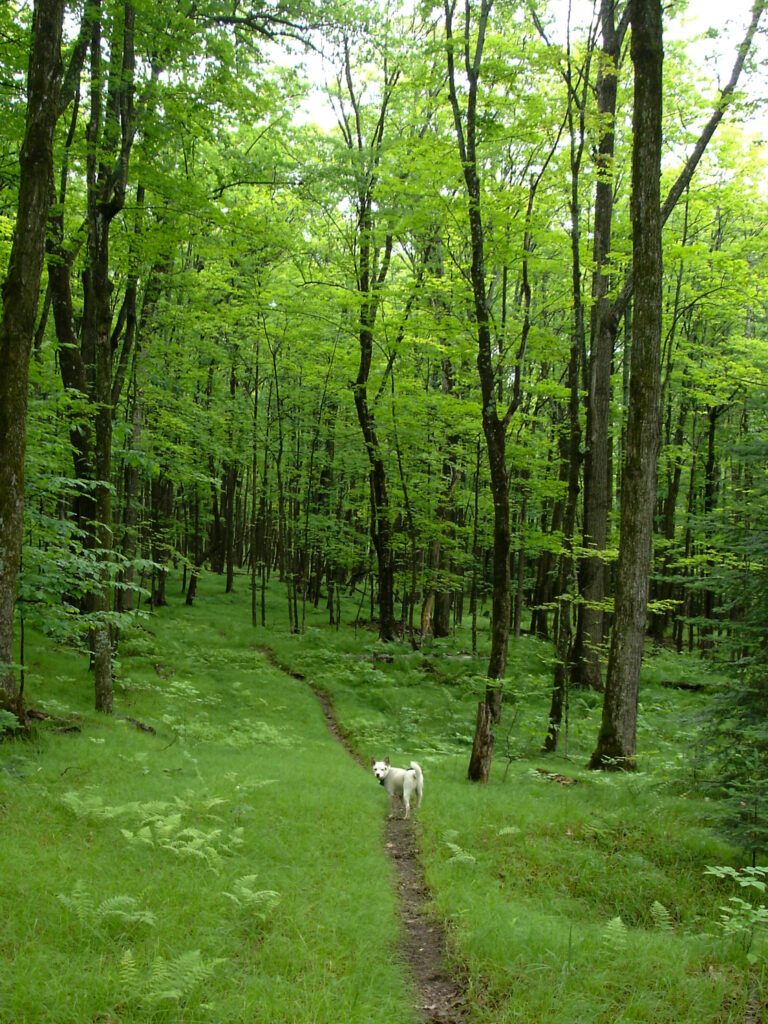
Along with national parks, other types of public lands include national forests, grasslands and lakeshores; national monuments; national wildlife refuges; national historic sites; Bureau of Land Management (BLM) lands; wilderness areas and more. These categories differ somewhat in their missions, rules and regulations. For example, pets are not allowed on trails in national parks, but they are in national forests. Motorized equipment is allowed on some BLM lands, but not in designated wilderness areas. Entrance fees also vary, although in general, they’re an absolute bargain.
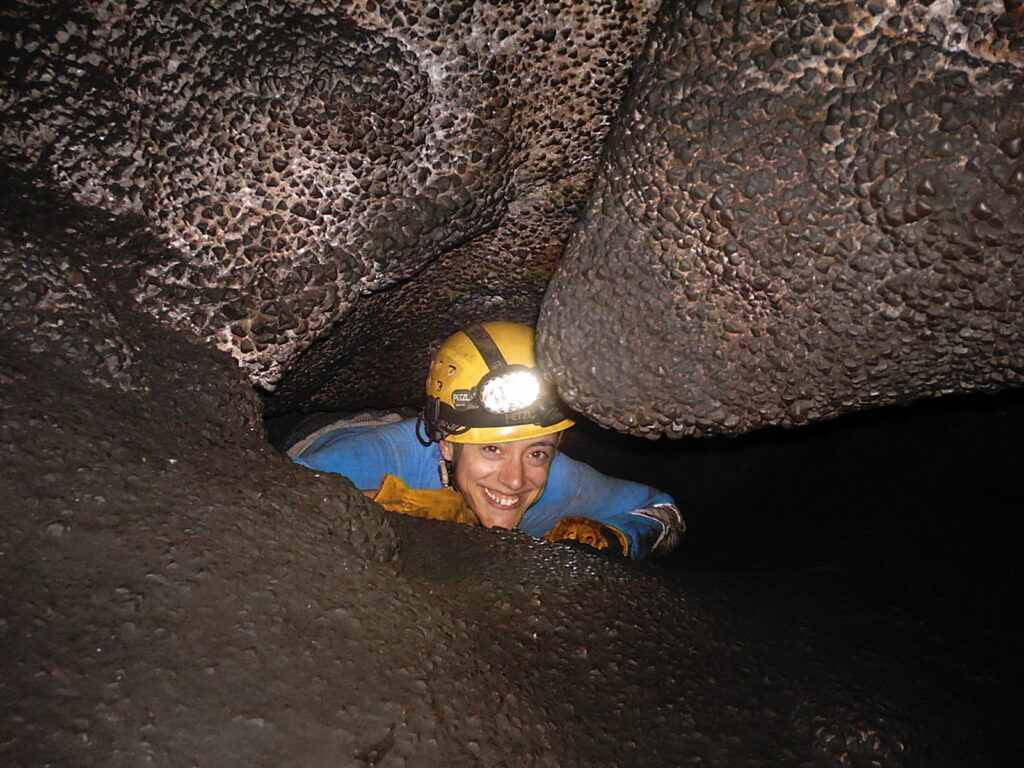
Despite any differences, though, these public lands are part of a common vision. Their history is complicated beyond the scope of a short column, but in general, certain lands belonging to the federal government were set aside, not to be sold to individuals or private companies.
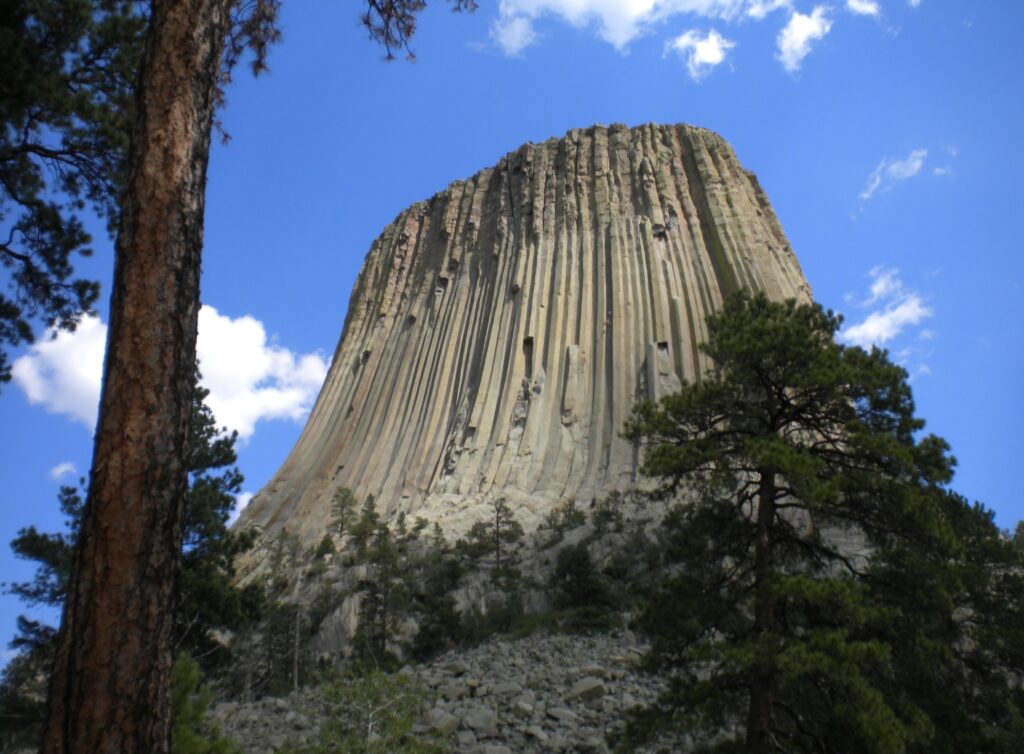
The resources on these lands—animals, trees, water and minerals, as well as the natural beauty—would not be consumed for quick profit, but instead managed wisely, so that all future generations could benefit from them. They were to be a place of clean air and water, where wildlife could thrive, irreplaceable treasures could be preserved, and people could recreate and enjoy the country’s natural wonders.
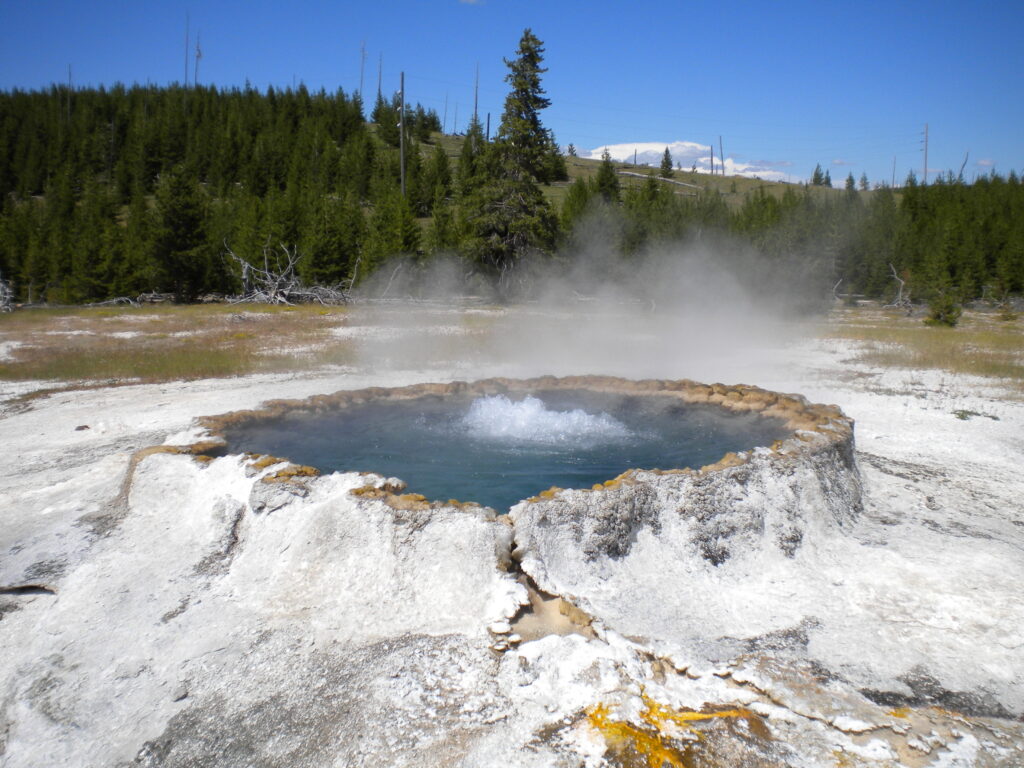
Theodore Roosevelt (president from 1901-1909) is closely associated with public lands. The movement had begun before his time—our first national park, Yellowstone, was established in 1872. However, Roosevelt greatly expanded it. During his administration, numerous national parks, national monuments, bird reserves, game preserves and the United States Forest Service were established.
It was an era when people finally realized that natural resources—once thought inexhaustible—were being depleted. Roosevelt worried about the nation’s future if it did not change course. At the 1908 Conference of Governors, he gave a speech titled “Conservation as a National Duty” in which he said the following memorable words: “[T]he time has come to inquire seriously what will happen when our forests are gone, when the coal, the iron, the oil, and the gas are exhausted, when the soils have still further impoverished and washed into the streams, polluting the rivers, denuding the fields and obstructing navigation.” He hoped to correct the nation’s course by protecting public lands.
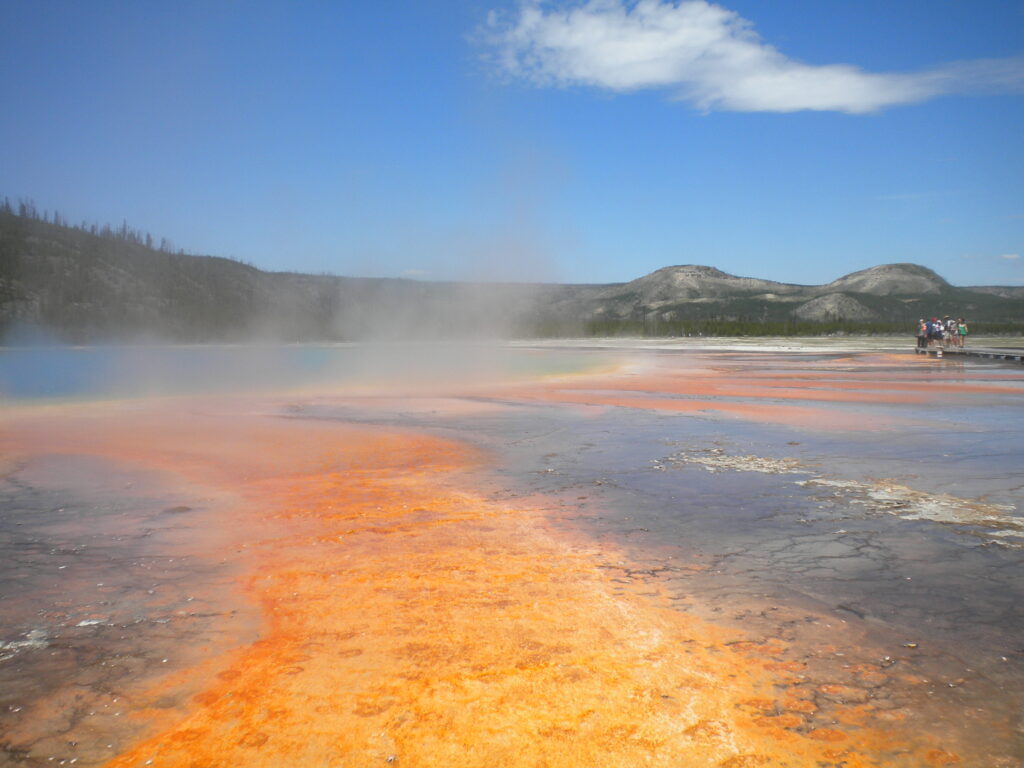
Public lands have always been my home away from home, the setting of my most vivid childhood memories. There were the playful river otters that my dad, grandma and I saw in Beartrap Canyon, a unit of BLM land in southwestern Montana. There were the wild colors and sulphury smells of the hot springs and geysers at Yellowstone National Park. There were the songs of Baltimore orioles lilting through the Chequamegon-Nicolet National Forest in Wisconsin.
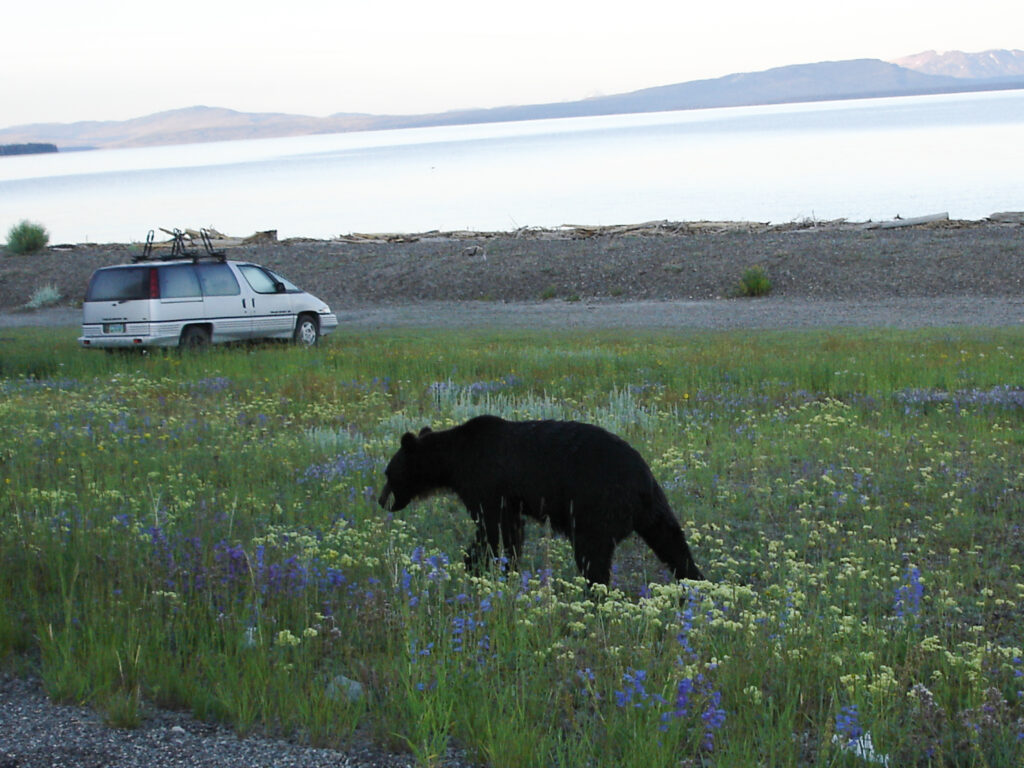
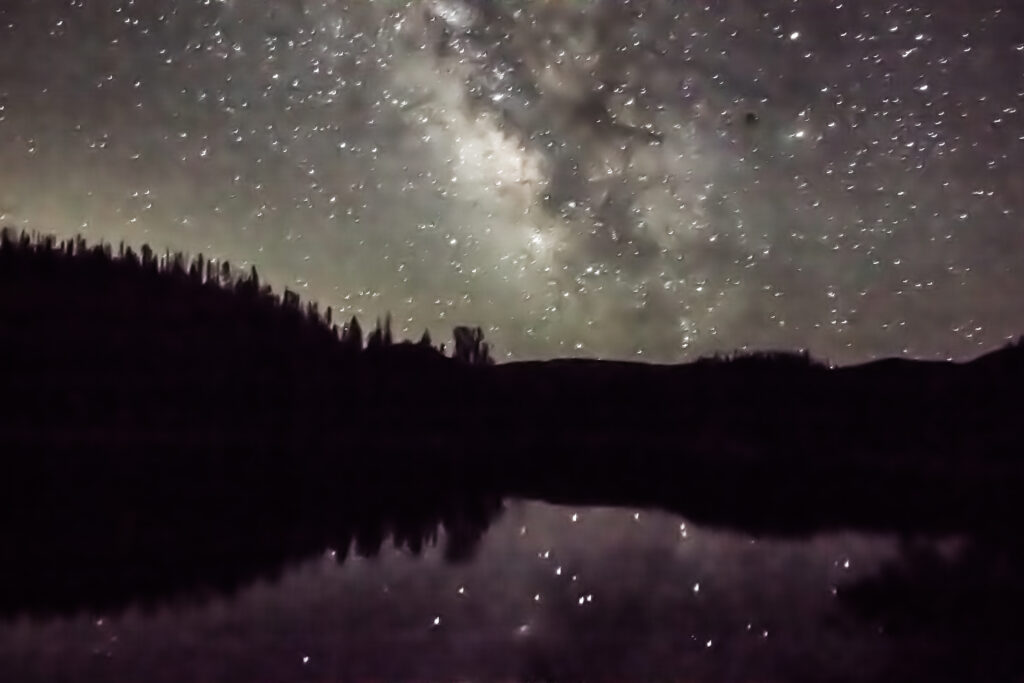
There was the night sky over the Grand Canyon, so thick with stars that, at first, I thought I was hallucinating. I thought it was a trick of the mild concussion I’d suffered the day before when, while trying to exit the family car, I’d gotten tangled in the seatbelt and spilled headfirst onto the parking lot (there was never a dull moment for my parents!). But no matter how many times I blinked, the radiant swirls of stars remained. They were real! I couldn’t believe how different the night sky looked from Central Illinois, where light pollution and humidity dim the stars.
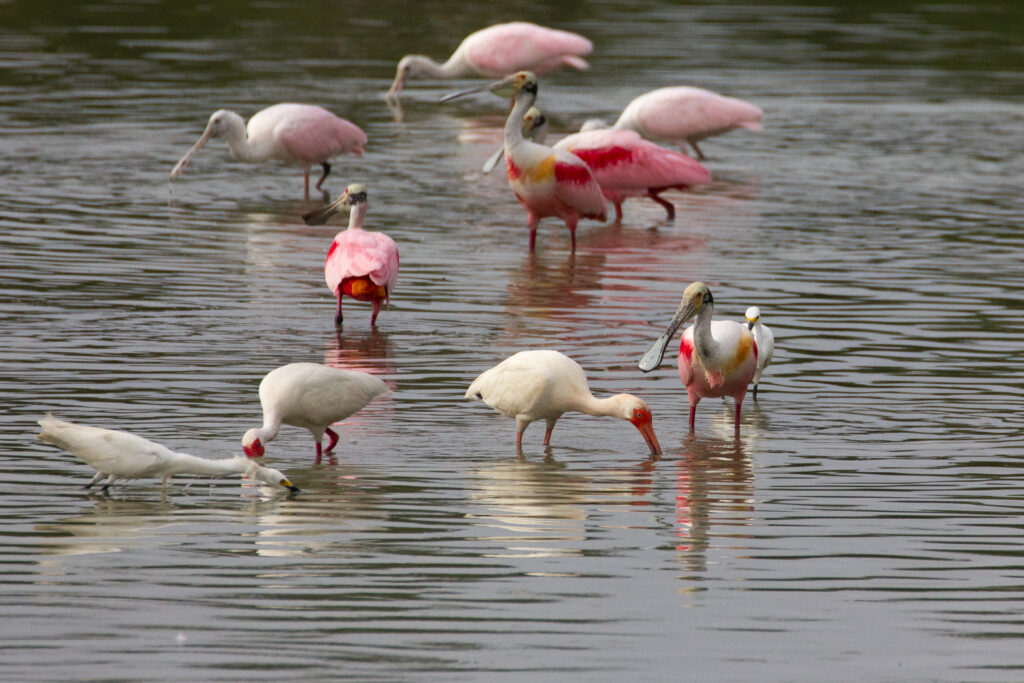
As an adult, I have continued to explore public lands through hiking, camping and photography. For me, our public lands are a place to learn about nature, to see plants and animals that live in different parts of the country and to drink in a variety of landscapes. They are also a place for spiritual renewal. While camping, my internal clock resets to match the daylight hours, and life passes at a slower pace. I find peace as the sun rises over a lake; I feel awe at the foot of a towering mountain.
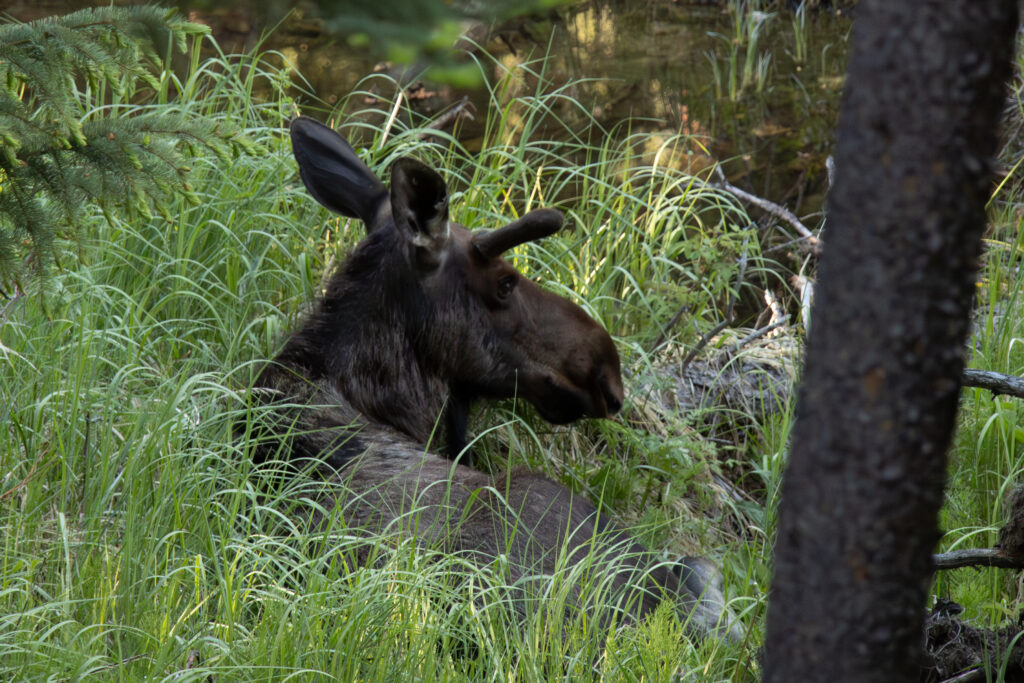
Those are my personal experiences with public lands. Other people have their own, very different from mine. They might have memories of boating, fishing, hunting or learning about our nation’s history. As a whole, public lands provide all of these opportunities. They even give a boost to nearby small businesses—guides, outfitters, restaurants, hotels, grocery stores—who serve the needs of visitors. Public lands can fill so many different roles because they belong to us—to all of us—to “we the people.” They are not exclusive playgrounds for the ultra-wealthy. They are not a pool of resources for giant, profit-hungry corporations to drain. They belong to us, and to future generations.
That’s the vision behind them.
Any major milestone makes us look toward the future even as we reflect on the past. The United States has reached its 250th birthday; what will the next 250 years be like? In the case of public lands, this is a moment—as in Theodore Roosevelt’s time—when the vision at their core needs to be defended. There have always been voices calling for short-term profit for the few over long-term good for the many. Sometimes those voices are louder than others. Now is one of those times. Recently, all types of public lands have seen cuts to their budgets and staffing. There have been various attempts to sell off federal public lands, including a provision in last summer’s budget bill.
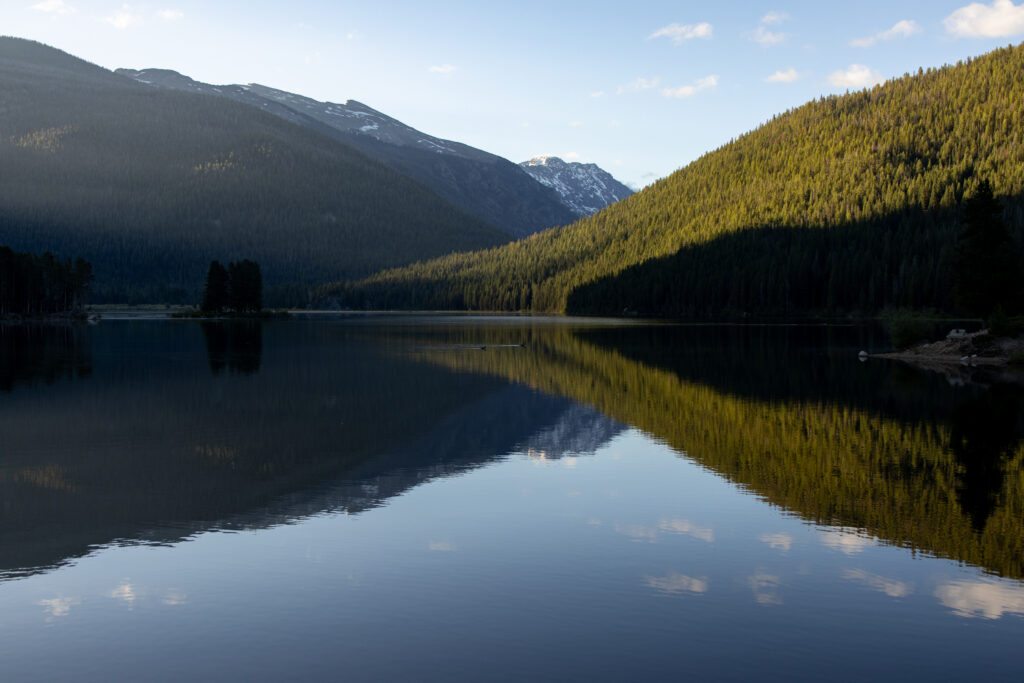
But—and this is an important but—that attempt failed. The sell-off provision was removed due to widespread public outcry. People all across the country love our public lands and want them to endure for future generations. This milestone birthday is a perfect moment to keep loving these lands, exploring them, enjoying them and speaking up for them, each in our own way.
For more information on Theodore Roosevelt and his speech to the Conference of Governors, see the websites below:
https://www.nps.gov/thro/learn/historyculture/theodore-roosevelt-and-conservation.htm
https://www.smithsonianmag.com/smart-news/how-teddy-roosevelt-changed-conservation-forever-180963258/