I love my garden in winter, when wisps of milkweed silk cling to the cracked, dried pods, and tiny bees sleep, unseen, in old flower stalks. This scene has its own stark beauty, softened by the presence of little songbirds. All winter long, I watch dark-eyed juncos hopping through the leaf litter and goldfinches hunting for coneflower seeds. My garden is always full of life, no matter the season.
Even so, spring is special. Those lives that were on pause, resting through the cold months, begin to awaken. The first pale, tender leaves poke through the ground, promising crocuses and daffodils. Every year they feel brand-new, a revelation, even though some of the individual plants have been with me for years. Their roots span generations. As their life resurges each spring, I revisit my own past.
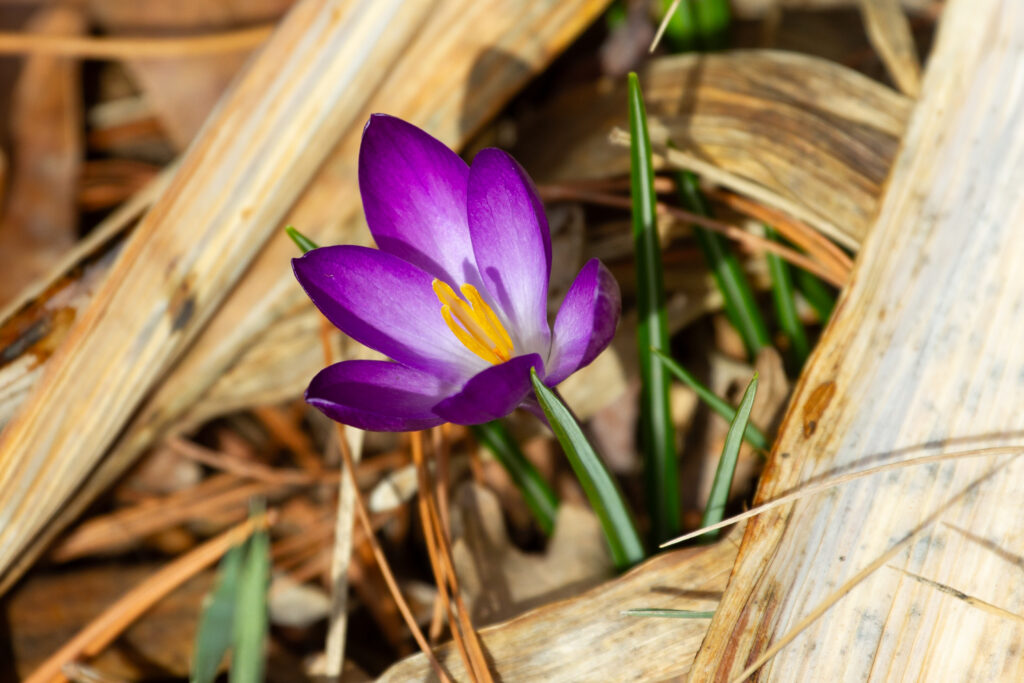
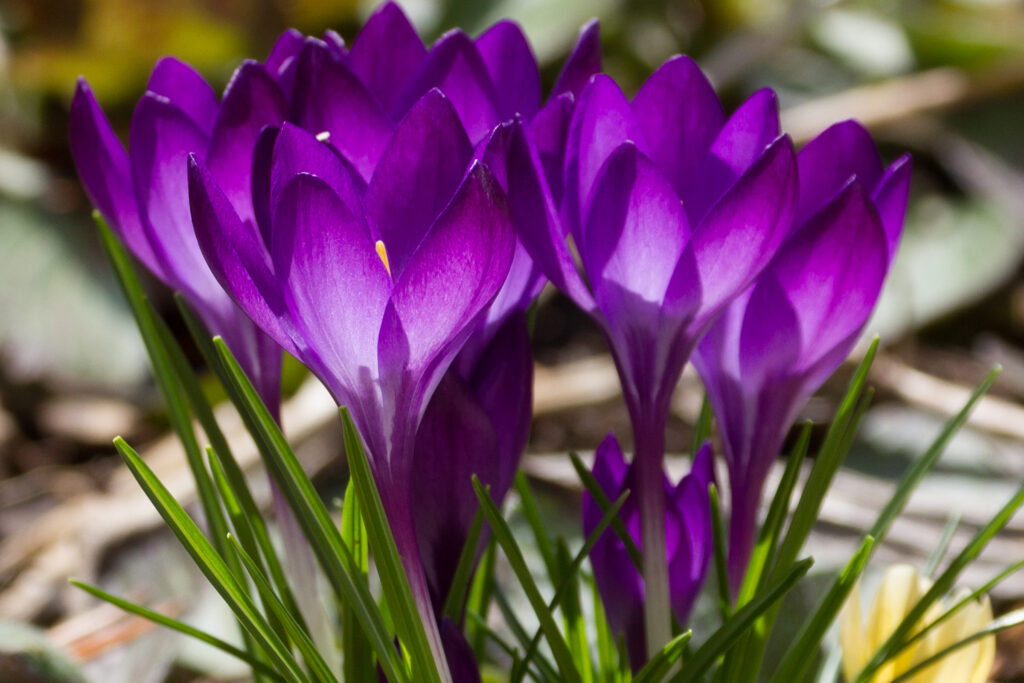
My crocus is first to bloom, its petals a vivid purple against the warming ground. The plant is still small, still establishing itself in my garden. It’s a cutting from a crocus my mom planted many years ago at my old family home. Each spring, we would thrill to see those flowers, with all the color and hope they brought to the landscape. They were one of my mom’s favorites; now, they’re one of mine.
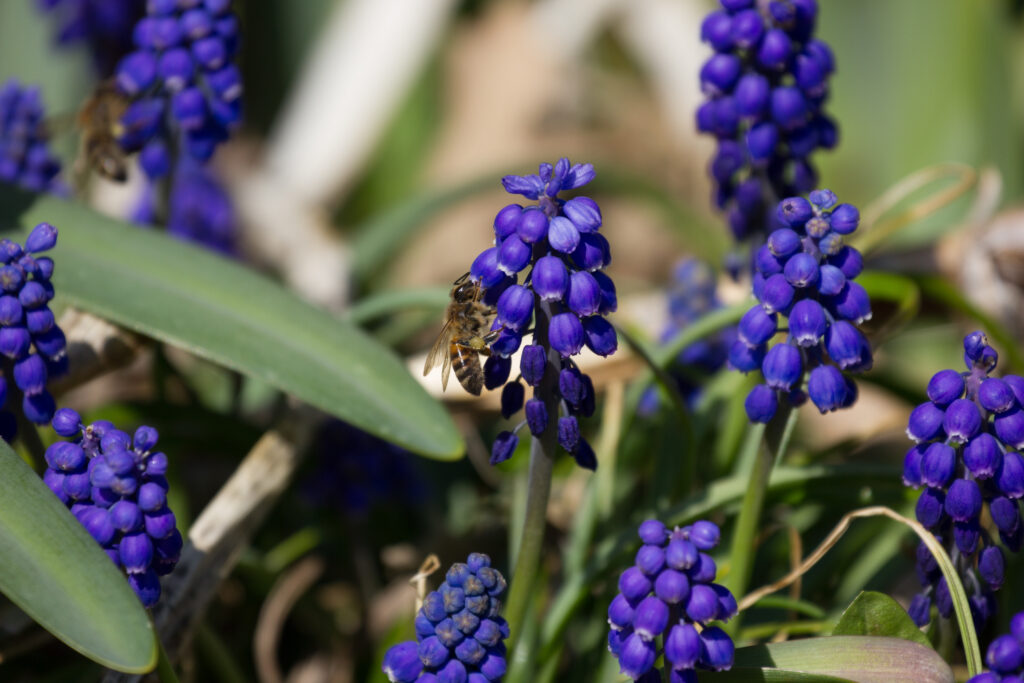
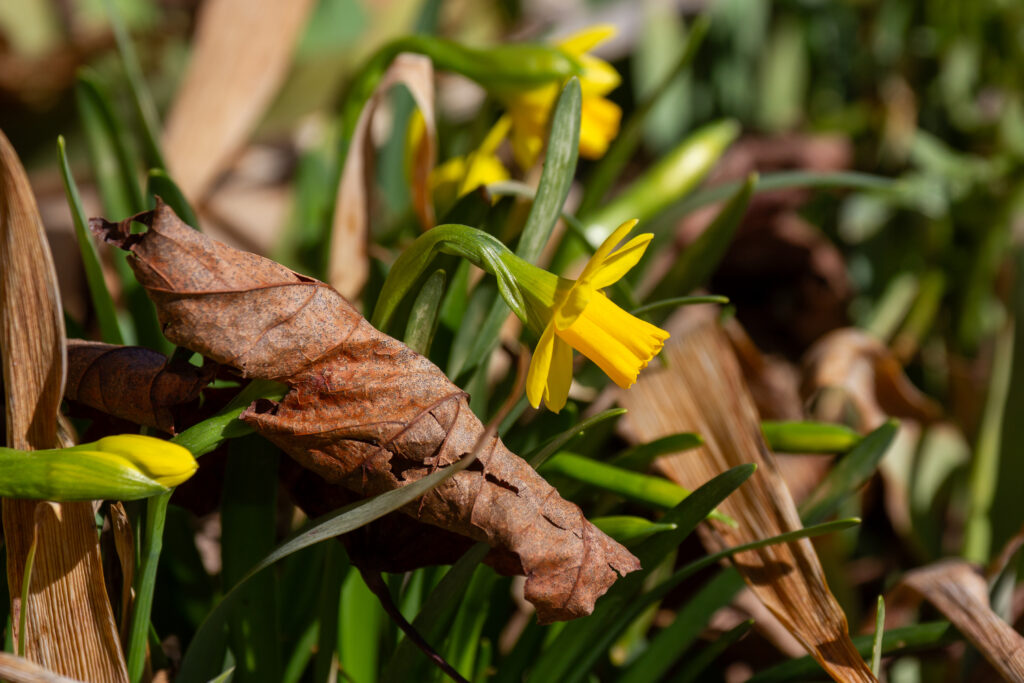
Soon after the crocus, my tiny daffodils and grape hyacinths emerge. I planted them in 2019, the first spring my husband, Marc, and I lived at our current house. It was a dark time in my life, and I yearned for color—for something bright. I found it at Wal-Mart, where a tray of daffodil and grape hyacinth plants languished on the deep discount rack. Poor little plants that no one wanted! They needed me as much as I needed them. I planted them in the front garden, hoping for the best but fearing that they would not last. Who knew how long they’d been stuck there at the store? If nothing else, though, I felt better knowing that they would have the earth around their roots, the warmth of the sun on their leaves. I could have the joy of their bright colors for a while. But as it turned out, the brave little things survived, and they bring joy to my garden each spring.
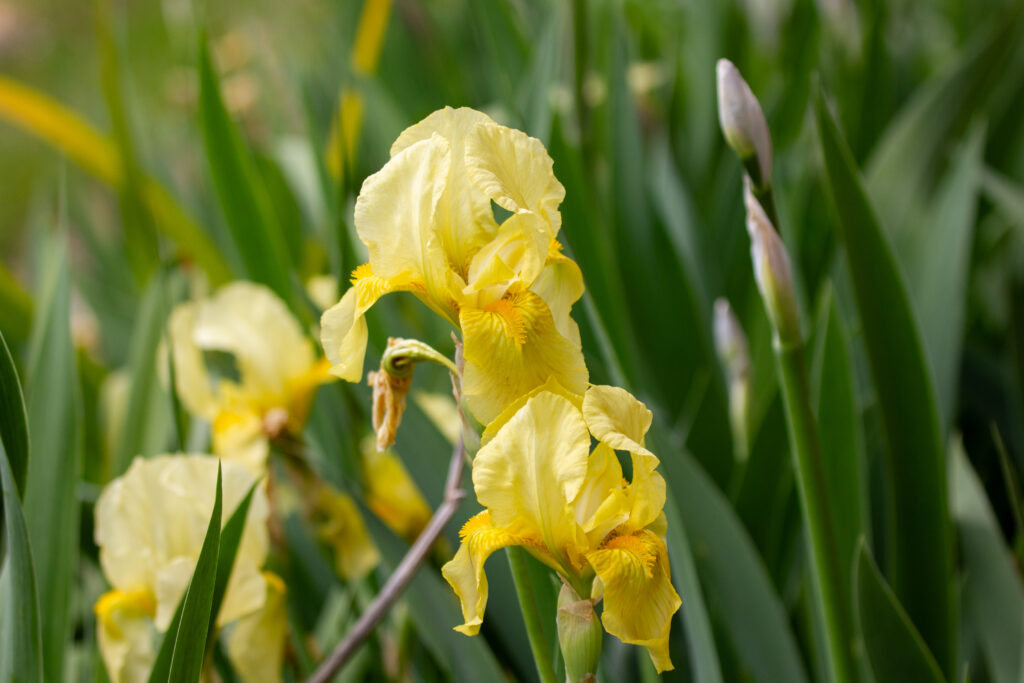
As the daffodils and hyacinths begin to fade, another early garden flower starts blooming. I don’t know the official name of this small, sunshine-yellow iris. In my family, we call it the Nana Grace iris, after my dad’s mom. Nana Grace grew them at her house in Wisconsin.
Many years ago, she gave some plants to my parents. Then, once I had a house, they split the rhizomes and gave a portion to me. Each time Marc and I have moved, I’ve dug up the Nana Grace irises and brought them with me. The poor things have been transplanted countless times, over decades, but it doesn’t seem to faze them. They are hardy—survivors. Oftentimes, they bloom twice a year, once in spring and again in fall. Their fragrance is as sweet and warm as a grandmother’s hug.
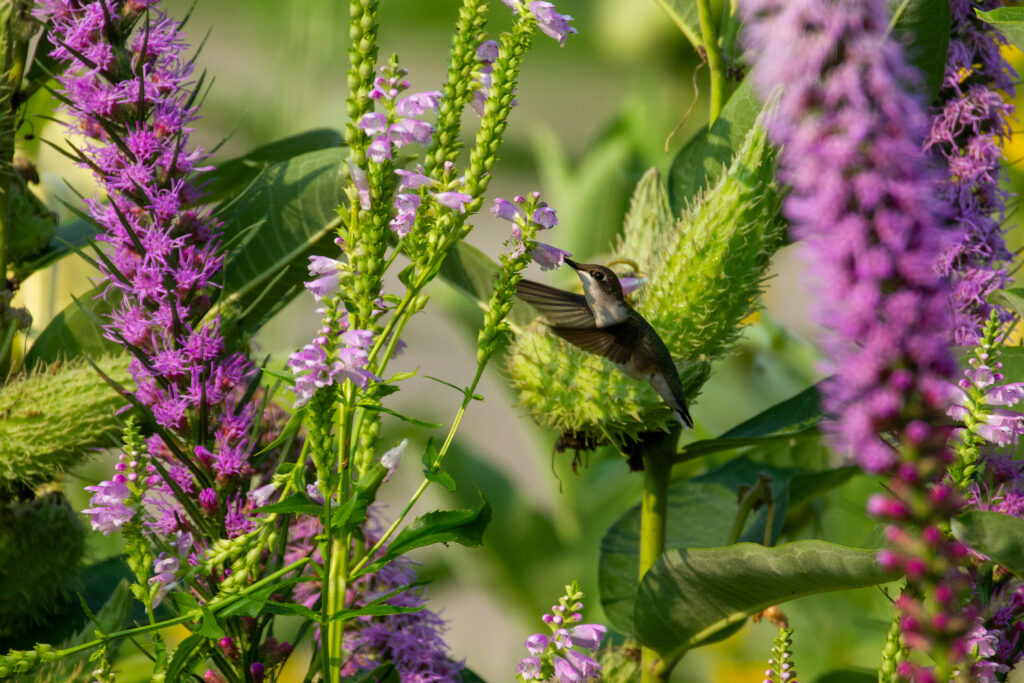
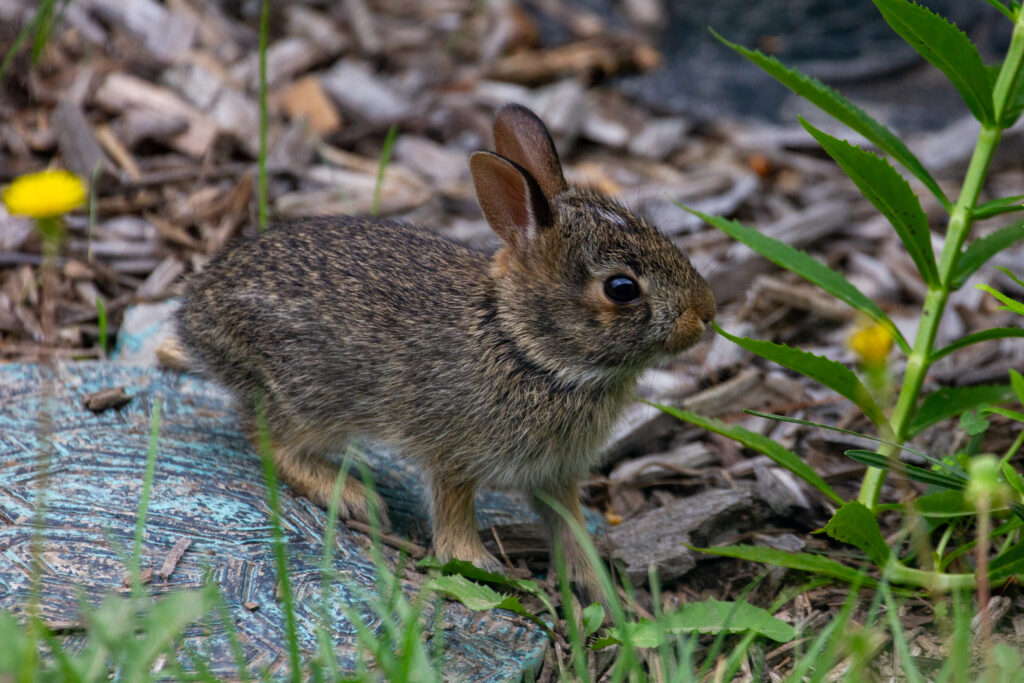
As spring moves along toward summer, my garden flourishes. There’s a rainbow of other irises (cuttings from my mom’s plants), then eventually the wildflowers—milkweed, hyssop, liatris, coneflowers, and more. Together, they form a nectar-rich feast for hummingbirds, bees, and butterflies, a quiet nursery for caterpillars and baby bunnies.
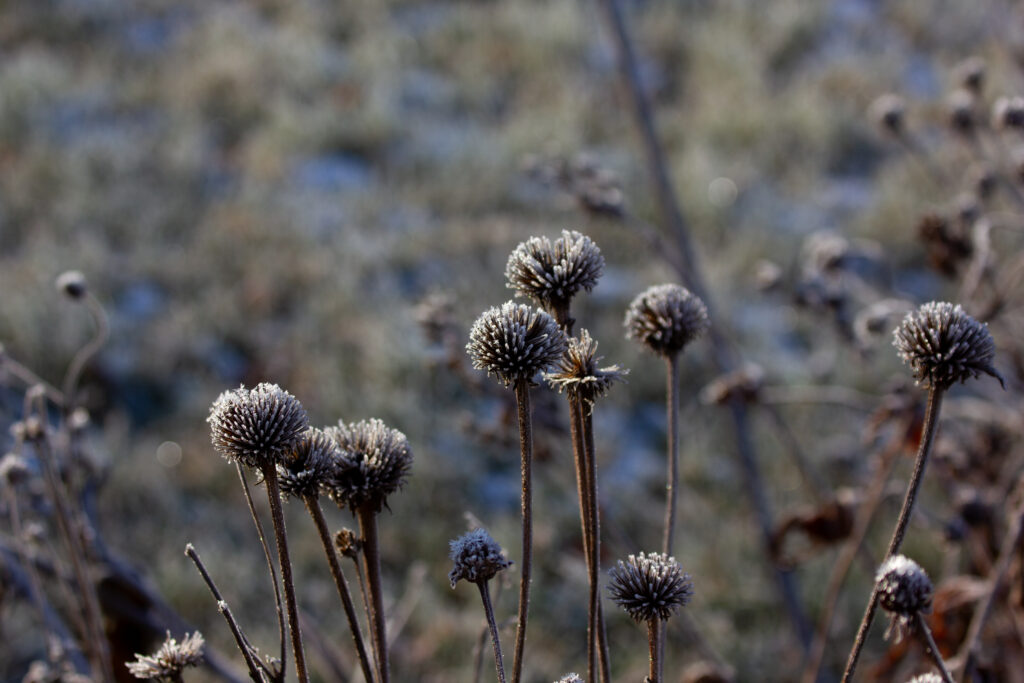
When I look out at my winter garden, I see visions of all the tender spring memories and lush summer glories to come. I imagine my garden, reborn.
Editor’s note: Originally published in the April 2026 edition of the Spring Gazette.