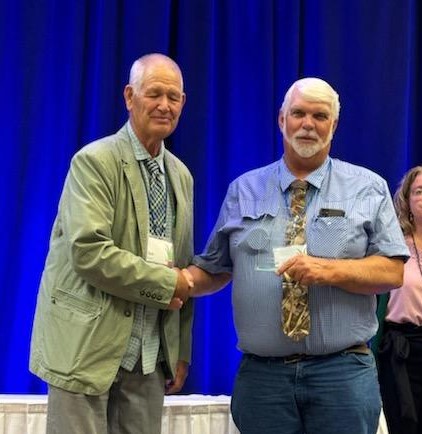
Earlier this summer Galva resident Al DeCrane was recognized by the Association of Illinois Soil and Water Conservation Districts (AISWCD) with the Outstanding Forestry Contribution for 2024.
At that time, Grants Manager Ashley Curran sent DeCrane the news with the following message: “I am delighted to extend our heartfelt congratulations to you for winning the 2024 Outstanding Forestry Contribution Award! Your commitment to providing wildlife habitat and protecting our soil and water is truly commendable. We are proud to recognize your hard work and dedication. Your achievements serve as an inspiration to others and highlight the importance of sustainable practices in agriculture and forestry.”
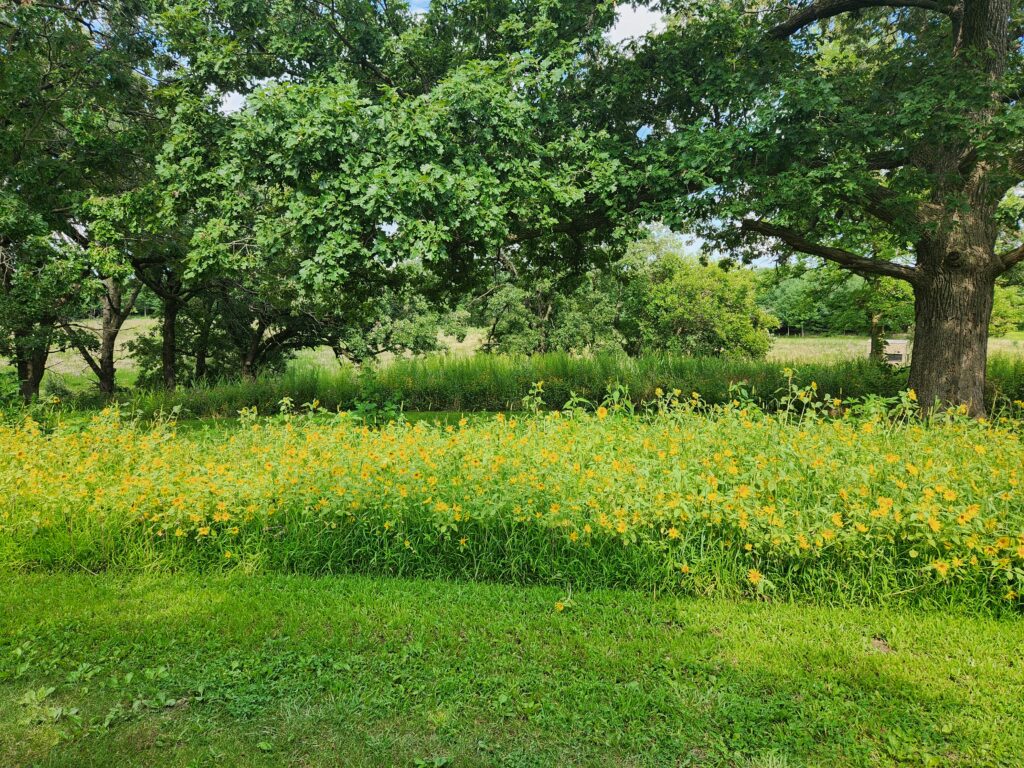
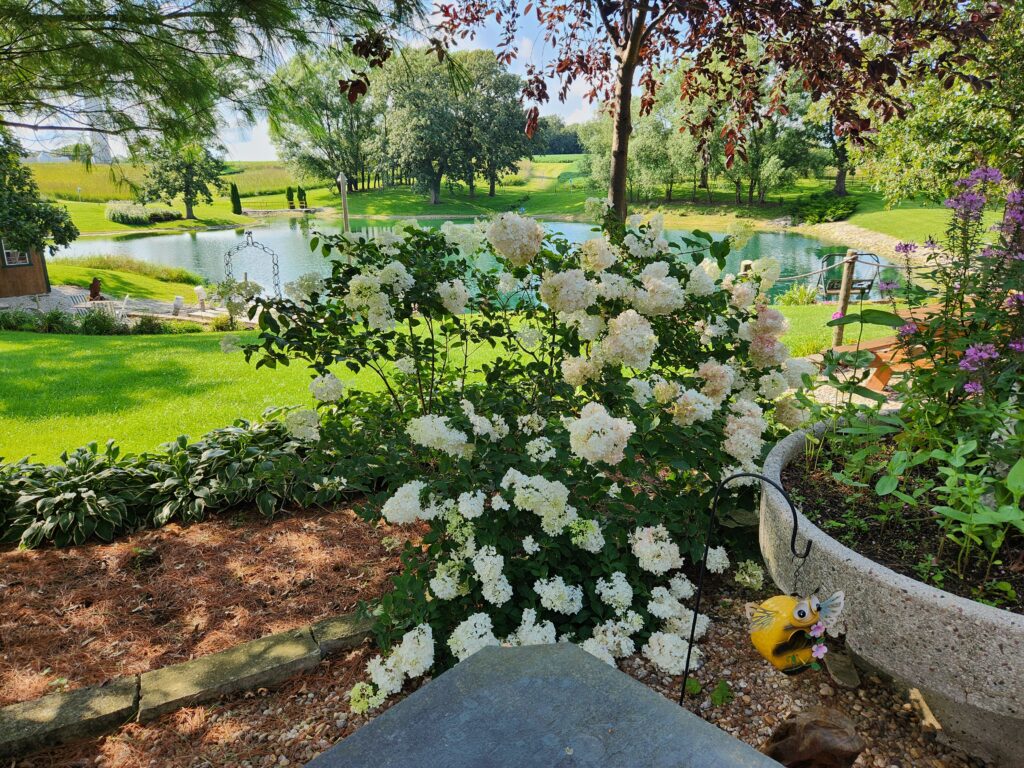
DeCrane and his wife, Shelly Sunquist, have made conservation a huge part of their lives. Their 200-plus acre farm west of town on Bonham Road includes three large ponds for fishing, wildflowers for pollinators and sections of crops created for the wildlife that inhabit the grounds. A farmer since 1988, DeCrane also grows corn and soybeans on his land, now farmed by his son, Jim.
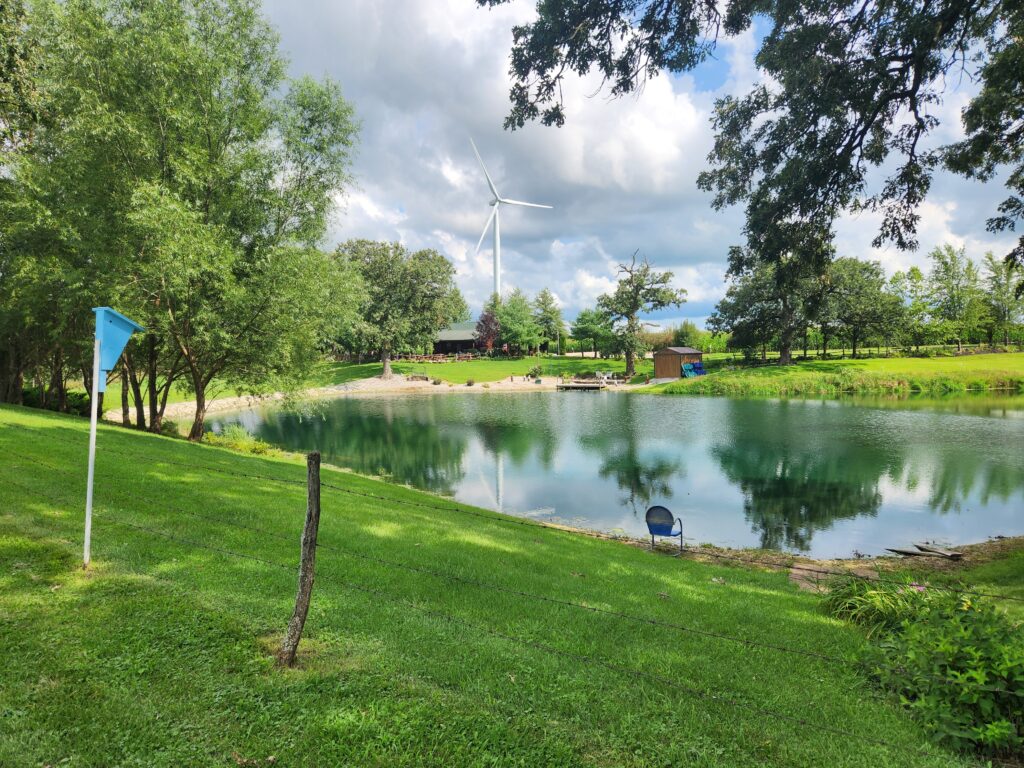
In 2003, he planted 10,600 trees as part of the Government Tree Program. A forest of 5,000 white pine, 5,000 red, white, black and burr oak, plus 600 black walnut trees stretches over a large section of his land, adding beauty to the landscape while providing food and cover for wildlife. His many trails are also tree-covered, with carefully placed brush piles and small limbs that provide shelter for nesting animals, including wild turkeys.
Neatly trimmed pathways crisscross over his property, allowing him to check on the progress of his crops, clear away brush and limbs and stock his ponds with bluegill and catfish.
“My grandson, Jeb, is becoming a real fisherman,” said DeCrane. “He handles the rod like a professional.”
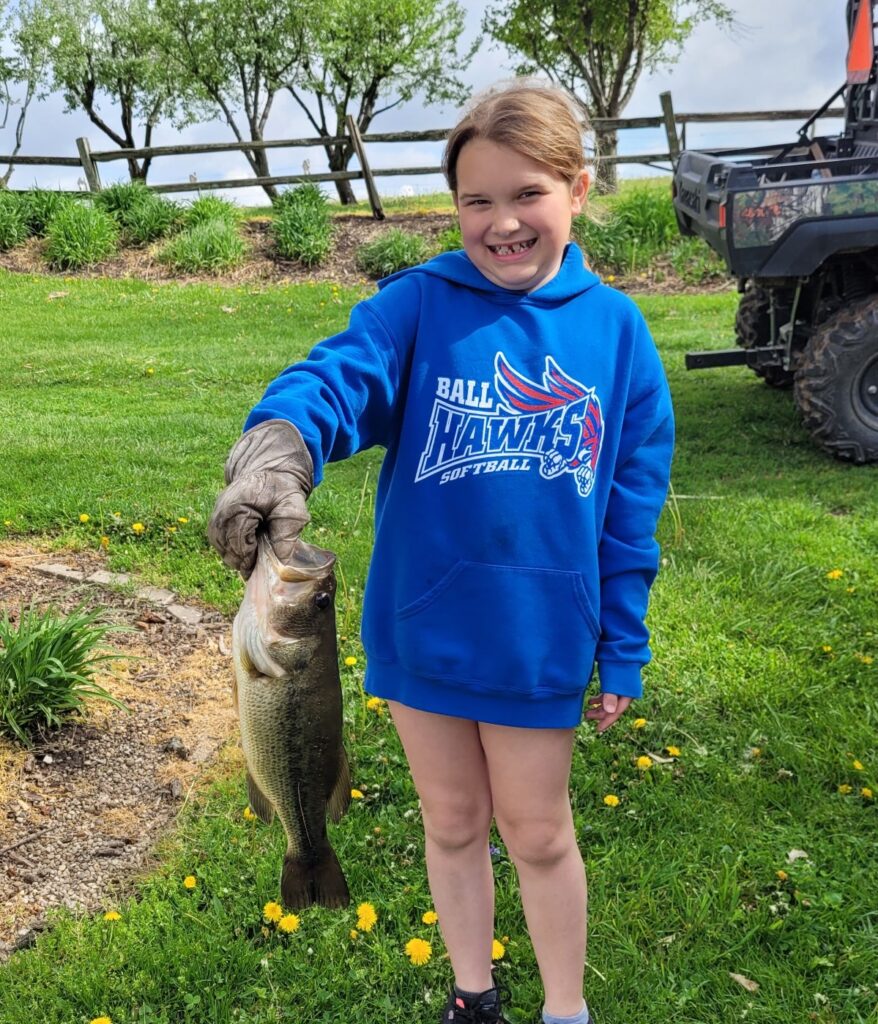
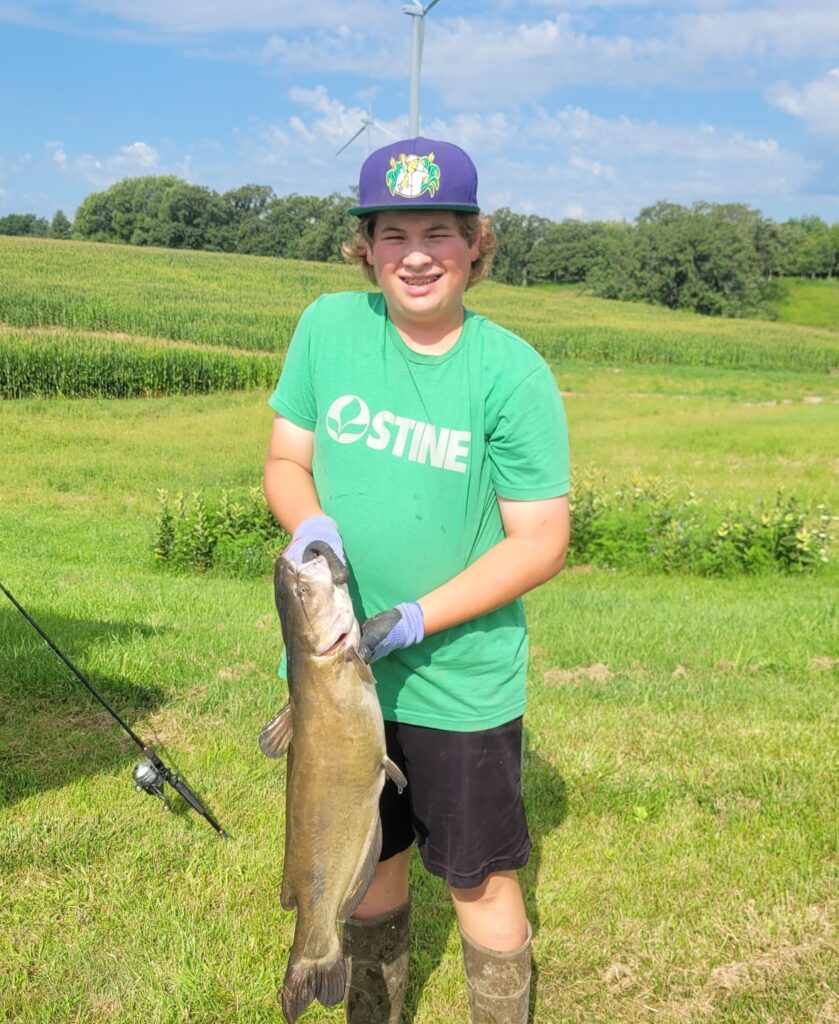
Both Jeb and granddaughter, Jaylynn, are learning to hunt and fish. They are taught gun safety and accompany their grandfather on hunting trips.
“Each one has brought home game from a supervised hunt and knows the rules involved,” he said.
An avowed hunter himself, deer stands can be seen in several places on his land and his freezer is full of venison steaks. On display in his cabin, which faces the biggest of his three ponds, and in his large home are a number of wild game heads, keeping six different taxidermists busy over the years.
In the early 1930s, along with the great depression, the nation suffered an ecological disaster known as the Dust Bowl. Beginning in the Great Plains, it soon swept across the US and into the East Coast. It’s rumored that dust sifted into the White House and onto the desk of then-President Franklin D. Roosevelt.
The issue was foremost on the minds of those on Capitol Hill, and Congress unanimously passed legislation to make soil and water conservation a national priority. In 1937, realizing that most of the land in the country was privately owned, FDR contacted the governors of each state, urging them to pass legislation to allow local landowners to form soil conservation districts.
Today, nearly 3,000 local conservation districts work hard to conserve land, water, forests, wildlife and related natural resources
“It’s a hobby, a career and a joy all in one,” he said with a big smile. “I don’t want to ever stop.”
Al DeCrane, conservationist and award winner
As Vice President of the Board of Directors of the Henry County Soil and Water Conservation District, DeCrane knows firsthand the benefits of preserving the land.
“Future generations will reap the rewards of what we do now,” he said. “Failing to implement conservation efforts will bring about traumatic events such as flooding, soil erosion, loss of wildlife and a lack of clean drinking water.”
His farm hosts programs on conservation practices and is often visited by Girl and Boy Scout Troops and local 4H clubs who enjoy a night of camping and fishing. DeCrane believes that our youth needs to be aware of how nature works and how we must protect it. Adult groups interested in conservation, such as the Illinois Land Use Council and Augustana College students use his home and land for meetings and discussion.
“Education is the key,” says the easygoing farmer. “Learning leads to doing; that will keep our world safe.”
His work to preserve his land is ongoing. Plans to build more terraces, which provide riparian buffers to streams, add additional prairie grass, and plant food plots of sunflowers, wheat, turnips and sorghum for wildlife are underway. Add to that, an orchard with apple, persimmon and peach trees will be planted.
“Those trees will feed wildlife, and of course, a few humans,” he said.
DeCrane is not the only award-winning conservationist in their home. Sunquist, received the Conservation Woman of the Year in 2003 from the State of Illinois Soil and Water District. Her plots of pollinating flowers encourage bees, and her hives produce wonderful honey. She’s also the one who arranges the events held at the farm. Her flowers and plants provide beautiful patches of brilliant color wherever you look.
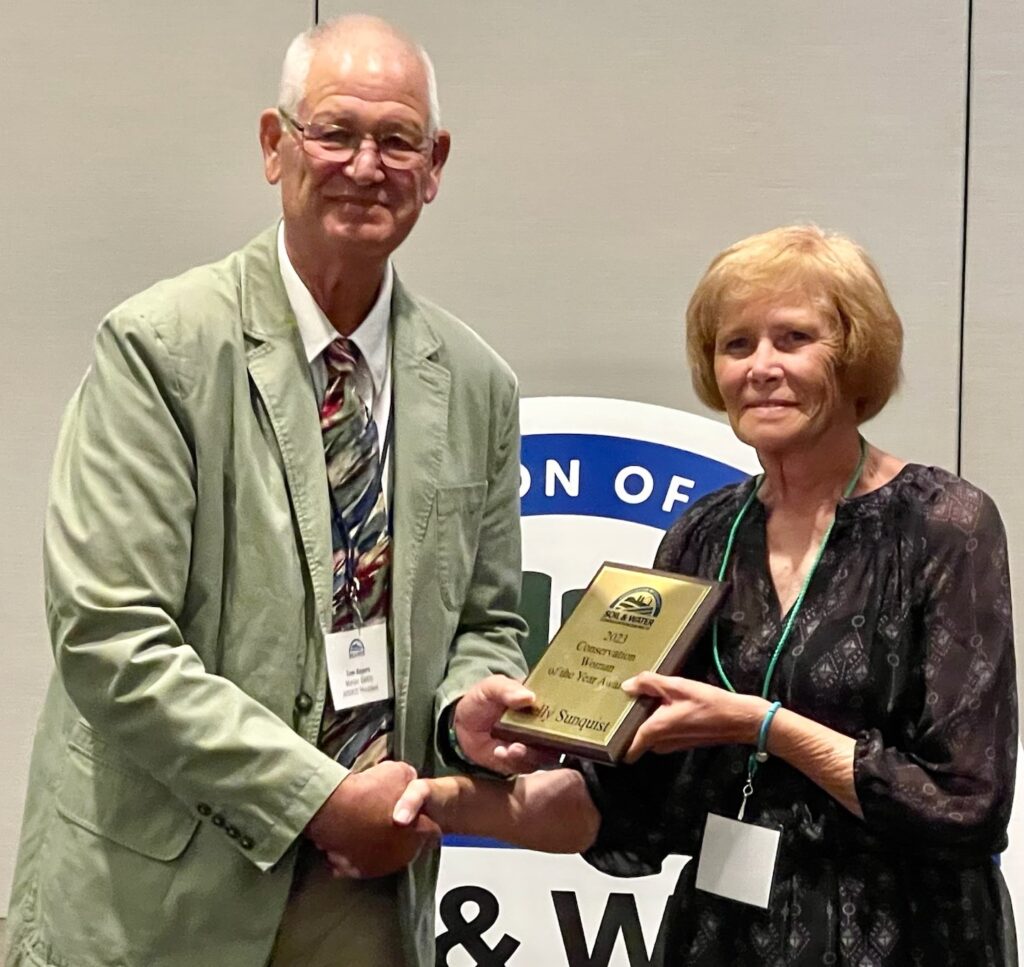
“I asked Al for a flower bed once,” said Sunquist. “He took it literally, pointing to the wood-sided rectangle with an actual headboard at one end.”
Planting and maintaining trees keep him especially busy, and those that need to be cut down don’t go to waste. The stumps turn into wonderful carvings of bears, eagles, fish and mushrooms, all of which decorate his yard, cabin and farm buildings.
DeCrane is concerned that state budget cuts will impede the progress of his and other conservation organizations.
“We will lose critical staff and that will lead to loss of federal grants, which are sorely needed,” he said, adding “Conservation-minded landowners will not get the dollars needed to be good stewards of the land.”
It takes many hours and a lot of physical work to keep his farm ecologically sound. “It’s a hobby, a career and a joy all in one,” he said with a big smile. “I don’t want to ever stop.”
For those interested in local conservation efforts, check out the website for the Illinois Soil and Water Conservation District at https://www.aiswcd.org/default.html and www.henrycountyilswcd.com.